Contents
“Eating Turkey Makes You Drowsy”
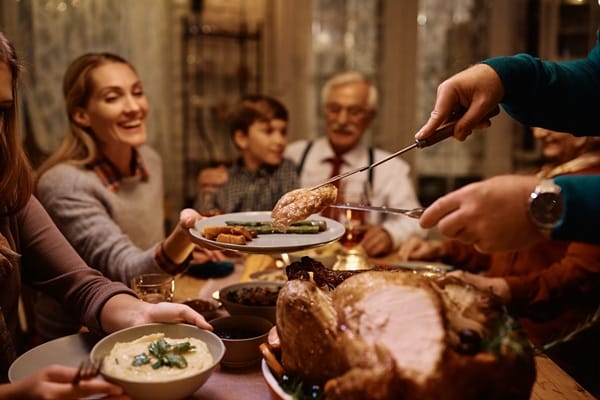
Turkey is often blamed for post-meal drowsiness, especially around Thanksgiving, with the finger usually pointed at tryptophan, an amino acid in Turkey. While tryptophan is a precursor to serotonin, a neurotransmitter that can be converted into the sleep-inducing hormone melatonin, the drowsiness is more likely due to the overall composition of a typical large meal.
Meals rich in carbohydrates and fats, common in holiday feasts, can increase blood flow to the digestive system and reduce blood flow to the brain, causing tiredness. Additionally, the consumption of alcohol during these meals can contribute to drowsiness. Thus, while turkey contains tryptophan, it is not solely responsible for the sleepiness often experienced after a big meal.
“Shaving Hair Makes It Grow Back Thicker”

The belief that shaving causes hair to grow thicker, darker, and faster is a common misconception. When hair is shaved, it is cut at the skin’s surface, leaving a blunt tip. As the hair begins to grow back, this blunt tip may feel coarser and appear darker against the skin, but the hair’s growth rate, color, and thickness remain unchanged.
Hair growth is primarily determined by genetics and hormonal factors. Shaving does not alter the hair follicle, the part of the skin that controls hair growth. Therefore, changes in hair texture or growth rate following shaving are merely perceptual and not physiological.
“You Must Drink Eight Glasses of Water Daily”

The frequently cited rule to drink eight glasses of water daily is more a guideline than a scientifically backed requirement. Hydration needs vary greatly among individuals, depending on age, gender, climate, physical activity levels, and overall health. While water is essential for bodily functions, fluid intake can also come from other beverages and food.
It’s important to listen to your body and drink when thirsty, and also to consider the color of your urine, which is pale yellow, indicating good hydration. Instead of adhering strictly to the eight-glasses-a-day rule, a more personalized approach to hydration is recommended, considering individual lifestyle and health needs.
“Starve a Fever, Feed a Cold”

The adage “starve a fever, feed a cold” suggests that eating less and more during a cold can speed up recovery. However, this advice lacks scientific support. When ill, the body needs more energy and nutrients to fight off infections, whether cold or fever.
Adequate nutrition and hydration are crucial for recovery from both conditions. Starving can weaken the immune system, making it harder for the body to fight infections. It’s important to eat balanced meals, stay hydrated when sick, and listen to the body’s hunger and thirst signals.
The Bottom Line
Exploring common health myths reveals a landscape riddled with misconceptions and half-truths. From the misunderstood effects of cold weather on illness to the exaggerated impact of sugar on children’s behavior, these myths persist despite lacking scientific support. It’s imperative to approach health claims critically, seeking evidence-based information. By debunking these myths, individuals can make more informed decisions about their health, leading to better overall well-being and a more nuanced understanding of the complex world of health and wellness.