
Breakfast, often called the most important meal of the day, plays a crucial role in weight management. However, not all breakfast foods are created equal. While some kickstart your metabolism and fuel your body for the day, others can sabotage your weight loss efforts before your day even begins. This post delves into common breakfast culprits that might be hindering your journey towards a healthier weight, alongside providing practical alternatives. Understanding what breakfast foods to avoid can significantly impact your overall health and help in achieving your weight loss goals.
Sugary Cereals
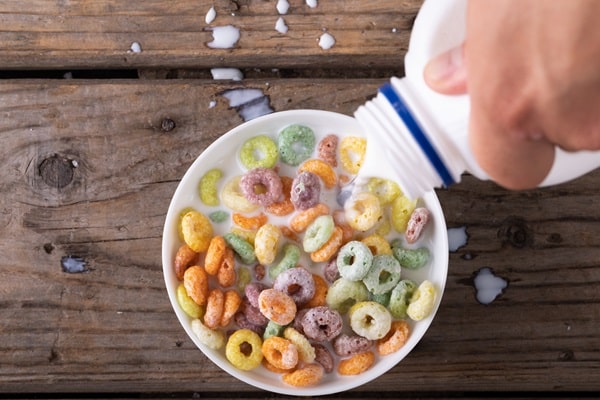
Sugary cereals are often loaded with more sugar and calories than you might suspect. These breakfast options can cause a rapid spike in blood sugar, leading to a crash that leaves you hungry and reaching for more food. The temporary satisfaction might lead to a cycle of overeating, contributing to weight gain. Moreover, the lack of essential nutrients in these cereals does little to keep you satiated or energized. It’s crucial to recognize these as less than ideal choices and opt for nutrient-dense alternatives.
Opting for whole-grain cereals with minimal added sugar can make a world of difference in your diet. Look for options rich in fiber and protein, as they are more likely to keep you feeling full and energized throughout the morning. You might also consider adding a piece of fruit or a handful of nuts to increase the nutritional value of your breakfast. These simple swaps can decrease your calorie intake while increasing the meal’s overall nutrient profile, aiding in weight loss and better health.
Processed Meats
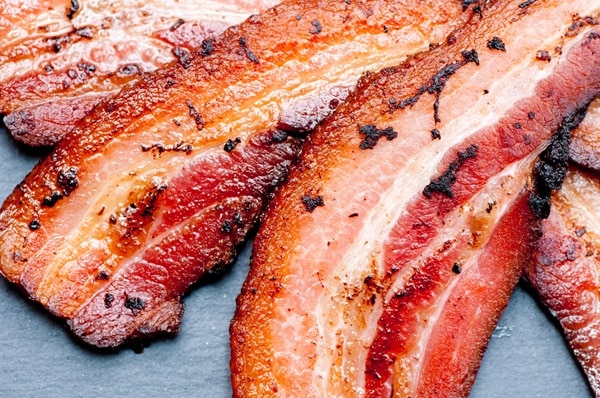
Processed meats like bacon and sausages are common in many breakfast plates, yet they’re laden with unhealthy fats and high levels of sodium. These elements contribute to weight gain and pose a risk to your cardiovascular health. The saturated fats can increase cholesterol levels, while the excess sodium can lead to bloating and water retention. Regular consumption might make it difficult to maintain a healthy weight and can derail your diet goals.
Instead of processed meats, consider lean protein sources for your morning meal. Eggs, turkey bacon, or plant-based alternatives can provide the protein you need without the unhealthy fats and sodium. These options help build and repair tissues while keeping you full and satisfied. By making this switch, you’re aiding your weight loss efforts and investing in your long-term health and well-being.
High-Calorie Coffee Drinks

Many coffee beverages are disguised as morning pick-me-ups but are actually filled with calories and sugar. Drinks like lattes, cappuccinos, or mochas often contain whole milk, whipped cream, and flavored syrups, significantly increasing your calorie intake. This can be particularly counterproductive if you’re trying to lose weight, as these drinks might contain more calories than an actual meal. Additionally, the sugar content can lead to energy crashes and cravings, making it harder to stick to a healthy diet.
Switching to black coffee or using low-fat milk can drastically reduce the number of calories in your morning coffee. If you prefer a sweeter taste, consider a small amount of natural sweeteners or a sprinkle of cinnamon. These alternatives can provide the caffeine boost you need without the added calories and sugar. By making these changes, you can enjoy your morning coffee guilt-free and stay on track with your weight loss goals.
Store-Bought Smoothies
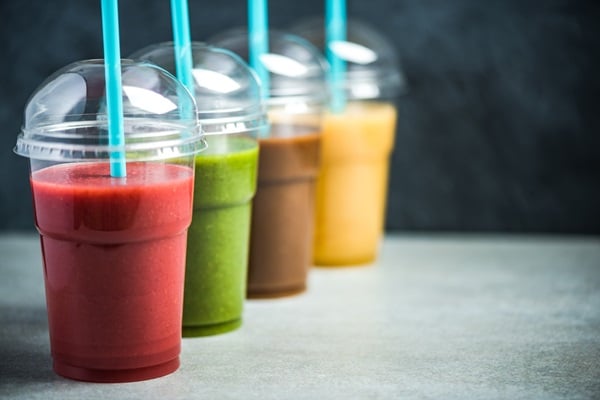
While smoothies might seem like a healthy breakfast choice, many store-bought versions are packed with sugars and calories. These beverages can contain fruit juices, ice cream, or sweeteners, negating any potential health benefits. Consuming these regularly can lead to weight gain and hinder your progress towards a healthier body. It’s essential to be mindful of the ingredients in your smoothies and understand how they might impact your dietary goals.
Making your own smoothies at home allows you to control the ingredients and their portions. Use fresh or frozen fruits, a handful of greens, and a base of water or unsweetened almond milk for a nutritious and low-calorie breakfast option. You can also add a scoop of protein powder or a tablespoon of seeds to enhance the smoothie’s satiety factor and nutritional content. Homemade smoothies can be a delicious and healthy part of your weight loss journey, providing essential nutrients without the excess calories.