
Cobra Pose (Bhujangasana)
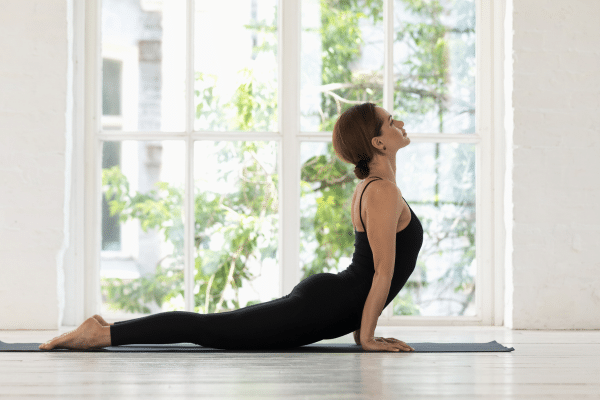
Cobra Pose, or Bhujangasana, is a gentle backbend that strengthens the spine and opens the chest and shoulders. To perform this pose, lie prone on the floor with legs extended back, tops of the feet pressing into the mat, and hands under shoulders. Pressing the floor away, gently lift the chest up, engaging the back muscles while keeping the elbows close to the body. The gaze should be directed forward or slightly upward, ensuring the back bend is evenly distributed along the spine. This pose not only strengthens the muscles of the spine but also helps in opening the lungs, which is beneficial for breathing.
Bhujangasana is particularly effective in reducing stiffness in the lower back and improving flexibility in the spine. It is also known for stimulating the abdominal organs, which can help in alleviating digestive problems. Beginners should be careful not to overextend the back; the lift of the chest should be to a comfortable height, ensuring no strain is felt in the lower back. Regular practice of Cobra Pose can lead to improved posture and a stronger spine.
Seated Forward Bend (Paschimottanasana)
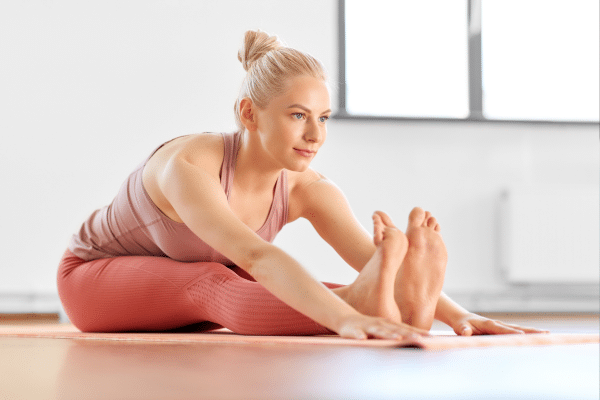
The Seated Forward Bend, or Paschimottanasana, is a classic pose that stretches the entire back of the body. Starting in a seated position with legs extended forward, hinge at the hips and lean the torso forward over the legs, reaching the hands towards the feet. The focus should be on lengthening the spine rather than simply bending forward, which helps in preventing rounding of the back. This pose stretches the spine, shoulders, and hamstrings and can help in calming the mind and relieving stress.
For those with tighter hamstrings, bending the knees slightly allows a deeper forward bend without straining the back. This pose is not only effective in improving physical flexibility but also aids in soothing headaches and reducing fatigue. The Seated Forward Bend is a perfect example of how yoga combines physical movement with mental relaxation, contributing to an overall sense of well-being.
Pigeon Pose (Eka Pada Rajakapotasana)
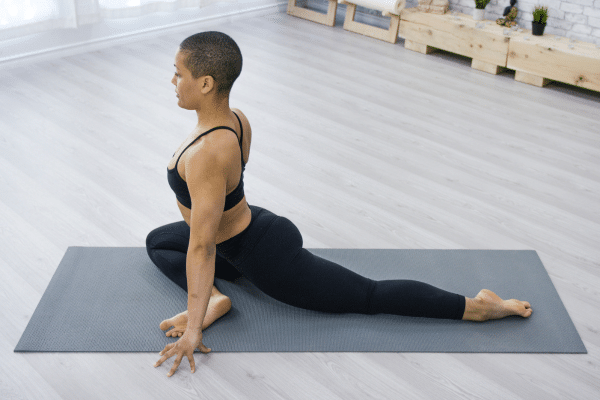
Pigeon Pose is renowned for its ability to open the hips and increase flexibility in the hip region. Begin by bringing one knee forward between the hands and extending the other leg back, keeping the hips square to the front. The forward leg should be bent with the foot near the opposite hip, and the back leg extended straight. This pose provides a deep stretch for the hip flexors, lower back, and glutes. For those experiencing tightness in the hips, placing a cushion under the hip of the bent leg can provide additional support.
The benefits of Pigeon Pose extend to mental health, as it is known for releasing emotional tension stored in the hips. Regular practice of this pose can lead to better mobility and less discomfort in the lower back and hips. As with all yoga poses, breathing plays a crucial role in maximizing the benefits, helping to release tension with each exhale.
Warrior II Pose (Virabhadrasana II)
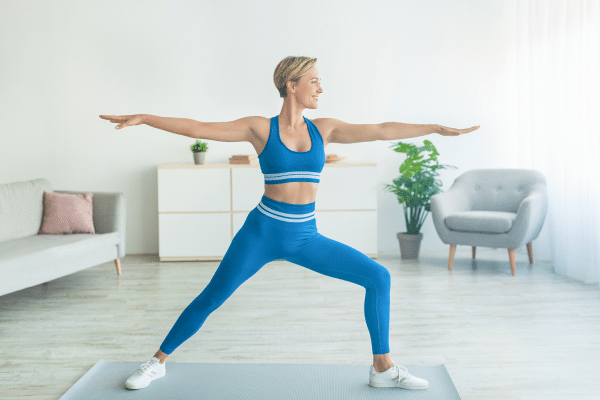
Warrior II Pose is a dynamic standing pose that enhances flexibility and stability. Starting in a standing position, step one foot back about three to four feet, turning the back foot slightly inward while keeping the front foot pointing forward. Extend the arms parallel to the floor, gazing over the front hand, and bend the front knee to a right angle, ensuring it stays directly above the ankle. This pose not only strengthens and stretches the legs and ankles but also opens the hips and chest, improving balance and concentration.
Virabhadrasana II is not just a physical exercise; it also helps in building stamina and focus. The challenge of maintaining the pose while keeping a steady breath helps in developing mental resilience. For beginners, it’s important to focus on keeping the back leg engaged and the body evenly balanced between both legs.
The Bottom Line
Yoga is not just a physical practice; it’s a journey of self-discovery and holistic well-being. The poses outlined above offer a comprehensive approach to improving flexibility, each targeting different areas of the body. By incorporating these poses into a regular yoga practice, one can experience not only enhanced physical flexibility but also improved mental clarity and stress relief. Remember, the key to successful yoga practice lies in consistency and listening to the body’s signals. Start slowly, respect personal limits, and gradually build up the practice, ensuring a safe and enjoyable yoga experience.