Eating habits significantly impact health, yet many are unaware of the detrimental practices they engage in daily. This post sheds light on such habits, aiming to inform and guide towards better choices. Recognizing these habits is a critical step in cultivating a healthier lifestyle. From ignoring portion sizes to late-night snacking, this discussion delves into various habits that might seem innocuous but can have long-lasting effects on one’s well-being.
Ignoring Food Portions
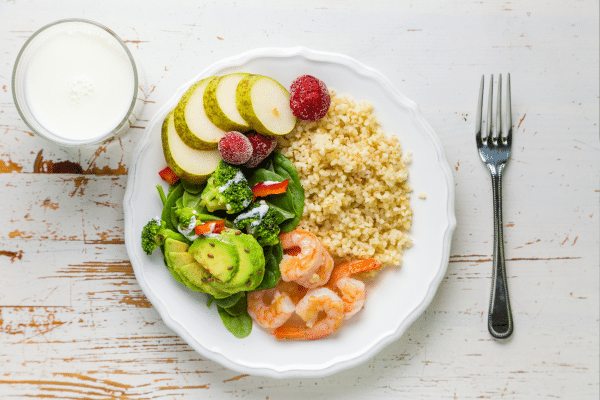
It’s common to overlook the importance of portion control. This oversight can lead to unintentional overeating, even when consuming healthy foods. Portion sizes have grown significantly over the years, and what many consider a standard serving is often much more than what’s recommended. To counter this, awareness and conscious control of portions are essential. Using measuring cups or scales can be an effective way to ensure appropriate portion sizes are consumed.
Another aspect of portion control is understanding the body’s hunger and fullness cues. Many eat until the plate is empty rather than when they feel full. Paying attention to these cues can prevent overconsumption. It’s also helpful to serve meals on smaller plates to visually trick the mind into feeling satisfied with less food. Learning to differentiate between actual hunger and eating out of habit or emotion is a vital skill in maintaining a healthy diet.
Late Night Eating

Eating late at night is a habit that can disrupt the body’s natural rhythms. The body’s metabolism slows down in the evening, making it more difficult to process food efficiently. Consuming a heavy meal or snacking late at night can lead to weight gain and poor sleep quality, as the body focuses on digestion rather than resting.
To avoid late-night eating, it’s beneficial to establish a regular eating schedule. Eating balanced meals throughout the day can prevent excessive hunger in the evening. If the urge to eat at night is strong, opting for light, healthy snacks like fruits or yogurt can satisfy cravings without overburdening the digestive system. It’s also crucial to identify whether the desire to eat late is due to hunger or other factors such as boredom or stress.
Eating Too Quickly
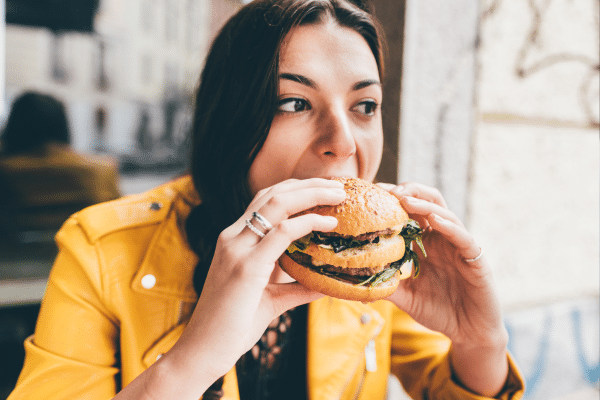
Rapid consumption of meals is a widespread habit that can have adverse effects on digestion and overall health. Eating too quickly often leads to overeating, as it doesn’t give enough time for the brain to receive signals of fullness from the stomach. This can result in consuming more calories than needed before feeling satiated.
Slowing down while eating can significantly enhance digestion and the overall dining experience. Chewing food thoroughly is an effective method to pace oneself. It not only aids in better digestion but also helps in appreciating the flavors and textures of the food. Another helpful strategy is to put down utensils between bites, which naturally slows down the eating process and encourages mindfulness during meals.