
Drinking Calories

Many often underestimate the impact of liquid calories on their overall dietary intake. Beverages like sodas, sweetened coffees, and alcohol can contribute a significant amount of calories without providing the same level of satiety as solid foods. These drinks can be a hidden source of excessive sugar and calories, leading to weight gain and other health issues. It’s crucial to be mindful of what is consumed in liquid form and to recognize the potential impact on diet.
Choosing healthier alternatives such as water, herbal teas, or black coffee can significantly reduce daily calorie intake. Water not only hydrates but also helps in feeling full, potentially reducing the urge to overeat. For those who find plain water unappealing, infusing it with fruits or herbs can add flavor without the extra calories. Making a conscious effort to limit high-calorie drinks and replace them with healthier options can have a substantial positive effect on health.
Skipping Breakfast
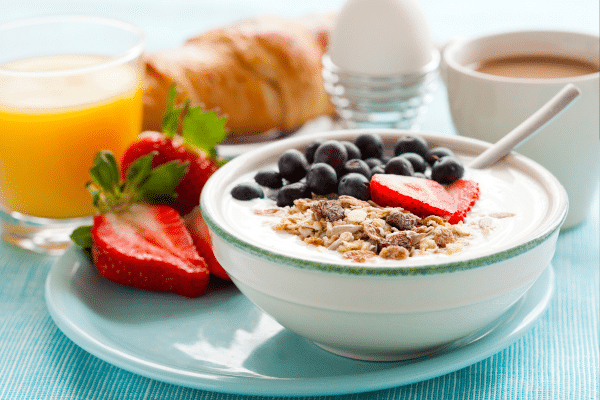
Skipping the first meal of the day is a common habit among many. However, this can lead to lower energy levels and increased likelihood of overeating later in the day. Breakfast kick-starts the metabolism and provides the necessary nutrients to start the day energetically. Without this meal, the body might feel sluggish and may crave high-calorie, less nutritious foods later.
To incorporate breakfast into a busy routine, planning quick and nutritious options is key. Meals that include protein, healthy fats, and fiber can keep hunger at bay and provide sustained energy. Options like overnight oats, smoothies, or whole-grain toast with avocado are not only quick to prepare but also healthy and filling. Ensuring a balanced breakfast can help maintain consistent energy levels and prevent overindulgence in later meals.
Mindless Snacking

Snacking without paying attention, especially during activities like watching TV or working, can lead to significant overconsumption of calories. This habit often results in eating more than what the body needs, as the focus is not on the food but on the other activities. Mindless snacking is a major contributor to unwanted weight gain and can derail efforts to maintain a healthy diet.
To combat mindless snacking, it’s advisable to eat only in designated areas like the dining table. Keeping snacks out of sight and reaching for them only during planned snack times can help control this habit. When snacking, choosing healthier options like fruits, nuts, or vegetables can satisfy cravings without excessive calorie intake. Being mindful and present while eating allows for better control over food choices and portions.
Neglecting Food Variety
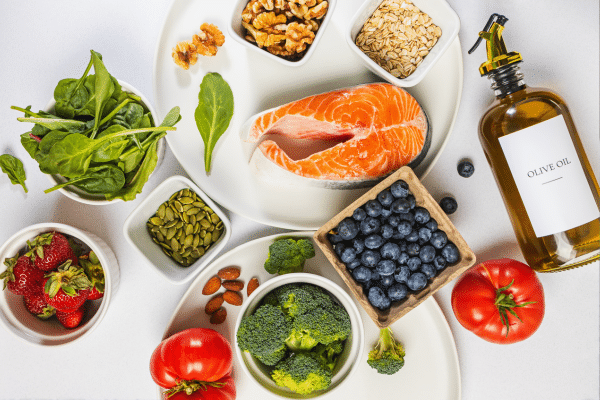
A diet lacking in variety can lead to nutritional deficiencies and decreased enjoyment of food. Eating a wide range of foods ensures a balance of essential nutrients, which is vital for overall health. Sticking to the same foods can also become monotonous and may lead to unhealthy cravings for more exciting, often less nutritious, food options.
Incorporating a variety of foods into meals can be both enjoyable and beneficial for health. Trying new recipes, experimenting with different ingredients, and exploring various cuisines can add excitement to meals and ensure a balanced intake of nutrients. Including different colors of fruits and vegetables, various protein sources, and diverse grains can provide a broad spectrum of vitamins, minerals, and other nutrients essential for good health.
The Bottom Line
Understanding and addressing bad eating habits is essential for maintaining a healthy lifestyle. From controlling portion sizes to ensuring a diverse diet, each habit plays a crucial role in overall well-being. Small, consistent changes can lead to significant improvements in health over time. It’s important to be patient and persistent in making these adjustments. Recognizing unhealthy eating habits is the first step towards a more balanced and healthy approach to nutrition.