
Neglecting Personal Health

Physical health plays a crucial role in shaping one’s self-confidence. Regular exercise, a balanced diet, and adequate rest are fundamental in maintaining both physical and mental well-being. Neglect of these aspects can lead to a decline in physical health, which often correlates with a decrease in self-esteem. The connection between body and mind is strong; when the body feels good, the mind typically follows. Engaging in activities that promote physical health not only improves overall well-being but also boosts confidence in one’s abilities and appearance.
Neglecting personal care routines can also impact self-confidence. Simple acts like grooming, dressing well, or engaging in personal hygiene practices have significant psychological effects. These routines are not just about vanity; they contribute to a sense of self-respect and self-worth. When one feels good about their appearance, it naturally enhances their self-confidence. Hence, it’s important to invest time in personal care, as it reflects self-respect and plays a role in boosting self-confidence.
Toxic Relationships

Toxic relationships, be they personal or professional, can severely drain self-confidence. Being in an environment where one is constantly criticized, belittled, or made to feel inferior can lead to a significant loss in self-esteem. Recognizing the signs of toxic relationships is the first step towards dealing with them. It involves acknowledging that such relationships are harmful and deciding to either address the issues or step away from them.
Handling toxic relationships requires courage and self-respect. It may involve setting boundaries, seeking support from friends, family, or professionals, and sometimes ending the relationship. Protecting oneself from negative influences is crucial for maintaining self-esteem. Surrounding oneself with supportive and positive people can greatly enhance self-confidence and provide a healthier environment for personal growth.
Lack Of Goals And Direction

Having clear goals and a sense of direction in life is integral to self-confidence. Without them, one can feel lost, which can lead to a decrease in self-esteem. Setting realistic goals provides a roadmap for life, giving a sense of purpose and accomplishment. Achieving these goals, no matter how small, can significantly boost confidence and reinforce the belief in one’s capabilities.
Finding direction often involves self-exploration and recognizing one’s passions and strengths. It’s about setting personal goals that align with one’s values and aspirations. Regularly evaluating and adjusting these goals ensures they remain relevant and motivating. The journey towards achieving these goals is as important as the destination, as it builds character, resilience, and, most importantly, self-confidence.
Overemphasis On Perfectionism
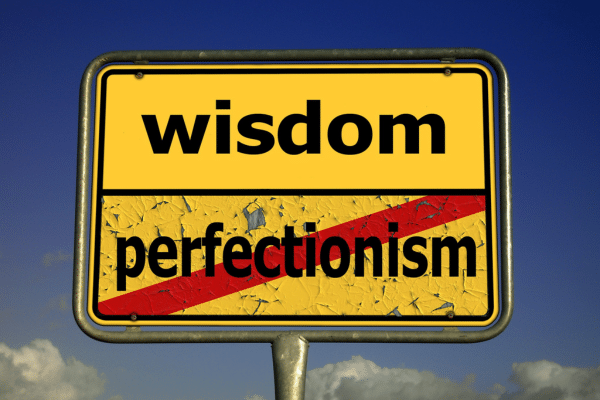
The pursuit of perfection can be a double-edged sword. While striving for excellence is commendable, an overemphasis on perfectionism can lead to unrealistic expectations and chronic dissatisfaction. This pursuit often results in fear of failure, procrastination, and self-doubt. Accepting that perfection is an unattainable goal and focusing instead on progress and effort is crucial for maintaining self-confidence.
Embracing imperfection is not about lowering standards but recognizing and celebrating one’s efforts and achievements. It involves understanding that mistakes and flaws are part of being human. Learning to be kind to oneself, especially in the face of errors and setbacks, fosters a healthier self-image and boosts confidence. In a world that often glorifies perfection, embracing one’s unique traits and journey is a powerful act of self-acceptance.
The Bottom Line
Self-confidence is a dynamic and fragile trait, influenced by various factors in one’s life. From the way one talks to oneself to the relationships one nurtures, numerous elements can either build or erode self-esteem. This blog post has highlighted key factors that can lower self-confidence, providing insights into how one can address and overcome these challenges. The journey to building and maintaining self-confidence is ongoing, requiring mindfulness, self-care, and a supportive environment. Embracing one’s unique journey, learning from failures, and celebrating small victories are vital steps in fostering a resilient and confident self.