Contents
Fried Foods and Their Inflammatory Impact
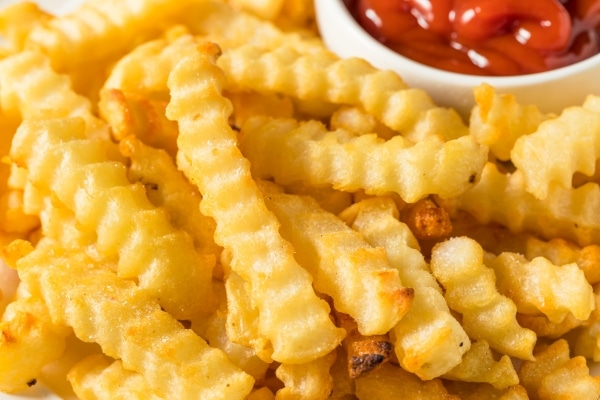
Fried foods like French fries, fried chicken, onion rings, and potato chips are popular comfort foods, but they are among the worst offenders when it comes to inflammation. These foods are often cooked in unhealthy vegetable oils, such as soybean or corn oil, which contain high levels of omega-6 fatty acids. While the body needs some omega-6s, an imbalance with omega-3s can trigger excessive inflammation. Additionally, the high temperatures used in frying produce harmful compounds like advanced glycation end products (AGEs) and acrylamides, both of which contribute to oxidative stress and cellular damage.
To reduce inflammation, seniors should consider healthier cooking methods such as baking, air frying, grilling, or steaming. These techniques can help preserve the flavor and texture of foods without introducing inflammatory compounds. Replacing fried snacks with nutrient-dense alternatives like roasted nuts, baked vegetable chips, or fresh fruit can also make a significant difference. Making small dietary changes, like using olive oil or avocado oil instead of processed vegetable oils, can further help in reducing inflammation and improving heart health.
Dairy Products and Their Controversial Role in Inflammation
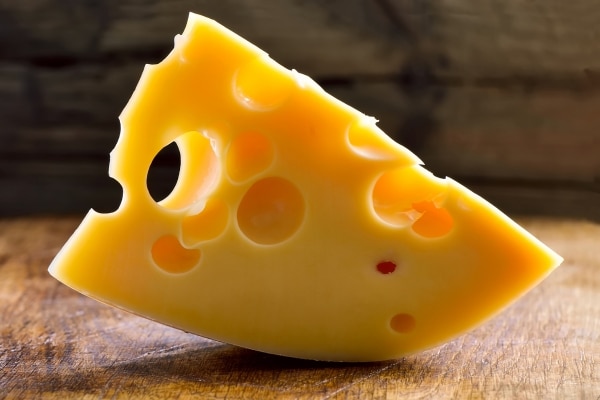
Dairy is a staple in many diets, but for some seniors, it can be a hidden source of inflammation. Many older adults develop lactose intolerance or dairy sensitivities over time, leading to digestive discomfort, bloating, and increased inflammatory responses. Conventional dairy products can also contain hormones and antibiotics, which may contribute to immune system imbalances and chronic inflammation. Additionally, research suggests that certain proteins in dairy, such as casein, may trigger joint pain and worsen symptoms of arthritis in sensitive individuals.
For those who experience inflammation from dairy, switching to plant-based alternatives can be a beneficial choice. Options like almond milk, oat milk, coconut yogurt, and goat cheese are often easier to digest and less likely to trigger inflammation. Fermented dairy products like kefir and Greek yogurt, which contain probiotics, may also be better tolerated and even offer gut health benefits. By paying attention to how dairy affects their body and making adjustments accordingly, seniors can support their digestive health and reduce inflammation-related discomfort.
Alcohol and Its Contribution to Inflammatory Diseases

Excessive alcohol consumption is a major contributor to inflammation, especially in seniors. Alcohol can irritate the gut lining, leading to increased intestinal permeability, also known as “leaky gut,” which allows harmful toxins to enter the bloodstream and trigger immune responses. Chronic alcohol use has been linked to liver inflammation, metabolic disorders, and an increased risk of arthritis and cognitive decline. Even moderate alcohol consumption can disrupt sleep patterns and hormone balance, further exacerbating inflammatory conditions.
Seniors looking to reduce inflammation should consider cutting back on alcohol or opting for healthier alternatives. Low-sugar drinks like kombucha or herbal teas can provide satisfying flavors without harmful effects. For those who still wish to enjoy alcohol occasionally, red wine in moderation may be a better option, as it contains resveratrol, an antioxidant known for its anti-inflammatory properties. Prioritizing hydration with water and nutrient-rich beverages can help maintain overall health and support the body’s natural healing processes.
Making Smarter Food Choices for a Healthier Future
Avoiding inflammatory foods is one of the most effective ways for seniors to protect their health, reduce joint pain, and lower the risk of chronic diseases. Processed meats, refined carbohydrates, sugary beverages, fried foods, dairy, and excessive alcohol all contribute to inflammation and accelerate aging. By making simple dietary changes—such as choosing whole foods, healthier cooking methods, and anti-inflammatory alternatives—seniors can improve their mobility, cognitive function, and overall well-being. Small adjustments today can lead to a healthier, more vibrant life in the years to come, making it easier to enjoy aging with strength and vitality.