Navigating the path to a healthier lifestyle often involves understanding what not to eat. Dieting isn’t just about eating less; it’s equally about making informed food choices. This blog post highlights some of the worst offenders on the menu for anyone trying to lose weight or maintain a healthy diet. From processed snacks that undermine nutritional goals to sugary drinks that offer empty calories, this article delves into why certain foods can derail dieting efforts. The goal is to empower readers with knowledge to make smarter dietary decisions.
Contents
Highly Processed Snack Foods
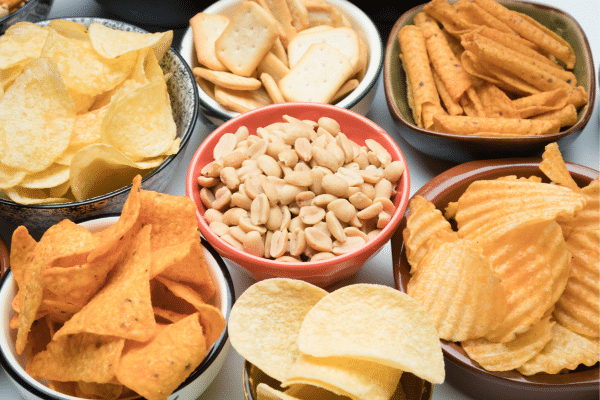
Highly processed snack foods are notorious for derailing diet plans. These items are typically loaded with added sugars, unhealthy fats, and a plethora of chemicals and preservatives. The high calorie content, coupled with a lack of essential nutrients, makes them a poor choice for anyone watching their weight. The problem is compounded by the fact that these foods are designed to be addictive, encouraging overeating.
Additionally, the long-term health impacts of regularly consuming processed snacks are equally concerning. Studies link excessive intake of these foods to an increased risk of chronic diseases like diabetes, heart disease, and obesity. The lack of nutritional value in these snacks, despite their high caloric content, also leads to nutrient deficiencies. Replacing these snacks with healthier options like fruits, nuts, or yogurt not only aids in weight management but also improves overall health.
Sugary Drinks And Sodas
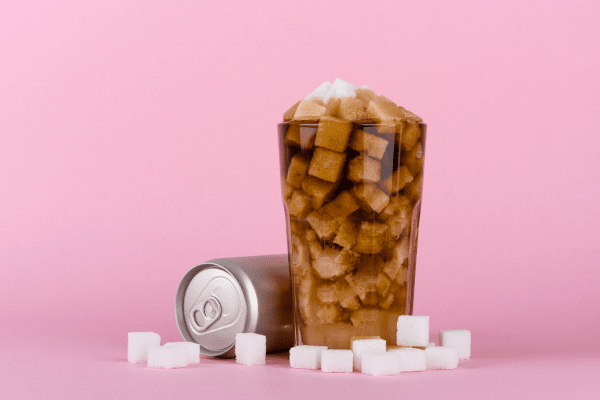
The consumption of sugary drinks and sodas is a significant contributor to weight gain and poor diets. These beverages are high in calories and sugar, leading to increased energy intake without the benefits of essential nutrients. Regular consumption can lead to a higher risk of obesity, type 2 diabetes, and other metabolic disorders. The deceptive nature of liquid calories makes it easy to consume them in large quantities without feeling full, unlike solid foods.
For those on a diet, it is crucial to understand the impact of these drinks. Replacing them with healthier alternatives such as water, herbal teas, or infused water with natural flavors can drastically reduce daily calorie intake. These alternatives not only aid in weight management but also offer hydration benefits without the added sugar. Avoiding sugary drinks is a simple yet effective step towards a healthier diet and lifestyle.
Fried And Fast Foods
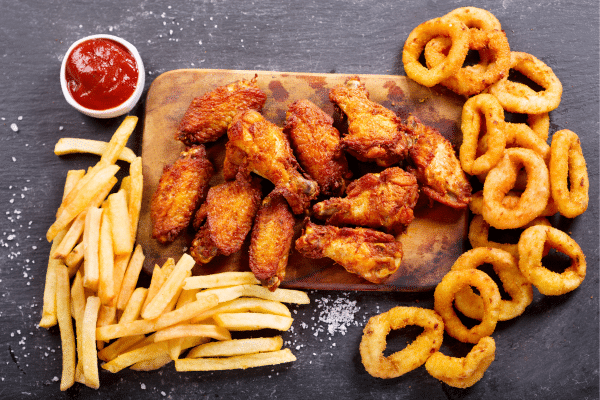
Fried and fast foods are a major obstacle in the journey towards a healthy diet. These foods are often loaded with trans fats, which are known to increase the risk of heart disease and elevate cholesterol levels. The high calorie and fat content in these foods contribute significantly to weight gain. Moreover, they are usually devoid of essential nutrients, making them a poor choice for anyone aiming to maintain a healthy and balanced diet. The convenience of fast food also makes it a tempting option, but it comes at the cost of one’s health.
Regular consumption of fried and fast foods is linked to numerous health issues beyond just weight gain. These include an increased risk of diabetes, heart diseases, and certain types of cancer. The issue is exacerbated by the high sodium content, which can lead to increased blood pressure and water retention. To foster a healthier lifestyle, it’s recommended to limit intake of these foods and opt for healthier cooking methods like grilling, baking, or steaming, which retain nutrients and are lower in fats.
Alcohol

Alcohol consumption can be a major hindrance in achieving diet goals. Alcoholic beverages are often high in calories but low in nutritional value. The calories in alcohol are considered ’empty calories’ as they provide energy but minimal essential nutrients. Additionally, alcohol can stimulate appetite and reduce inhibitions, leading to poor food choices and overeating. This makes it particularly challenging for individuals on a diet to maintain their calorie deficit and nutritional goals.
Moderation is key when it comes to alcohol consumption. Choosing drinks with lower alcohol content or mixing alcohol with calorie-free mixers can help reduce overall calorie intake. Additionally, setting a limit for alcohol consumption and alternating alcoholic drinks with water can aid in controlling both calorie intake and hydration levels. For those serious about their diet, reducing or eliminating alcohol can have a significant positive impact on their weight loss journey and overall health.
Refined Carbs And White Bread
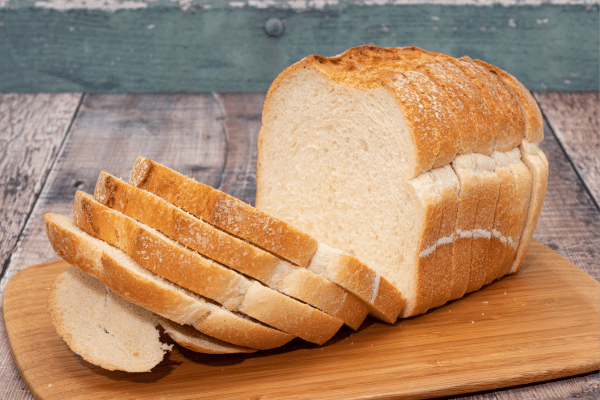
Refined carbohydrates, particularly white bread, are detrimental to dieting efforts. These foods undergo extensive processing, stripping away beneficial fibers and nutrients. The result is a product that can quickly spike blood sugar levels, leading to increased hunger and overeating. This rapid fluctuation in blood sugar can also lead to feelings of fatigue and irritability. Moreover, refined carbs are often calorie-dense but lack essential nutrients, making them an unsatisfactory choice for a balanced diet.
Replacing refined carbs with whole-grain alternatives is a wise decision for anyone focused on a healthy diet. Whole grains are richer in fiber and nutrients, contributing to a feeling of fullness and aiding in digestion. This switch not only supports weight management but also helps in regulating blood sugar levels. The inclusion of whole grains in the diet is associated with a lower risk of heart diseases and better overall health.
Desserts
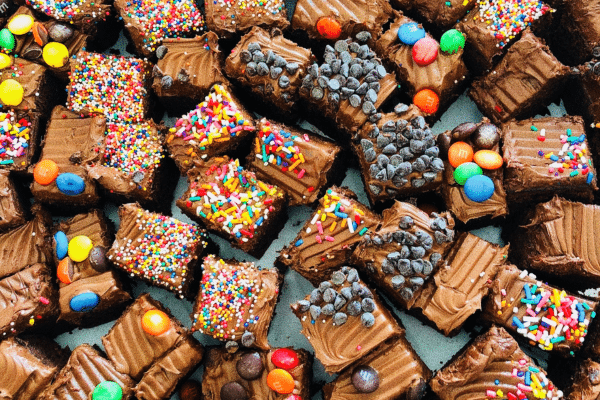
Desserts, while delicious, are often a pitfall in a diet. They are usually high in sugars and fats, contributing significantly to excess calorie intake. This can sabotage weight loss efforts and lead to health problems if consumed frequently. Desserts also tend to be low in essential nutrients, making them a less than ideal choice for anyone seeking a balanced diet. The immediate gratification they provide does not compensate for their long-term impacts on health and weight.
For those with a sweet tooth, finding healthier dessert options is key. Opting for desserts with natural sweeteners, fruits, or even dark chocolate can satisfy cravings without the excessive calories and sugars found in traditional desserts. Incorporating these healthier alternatives can help maintain a balanced diet without completely sacrificing the enjoyment of sweet treats. Moderation is essential, and with mindful choices, desserts can still be a part of a healthy diet.
Full-Fat Dairy Products
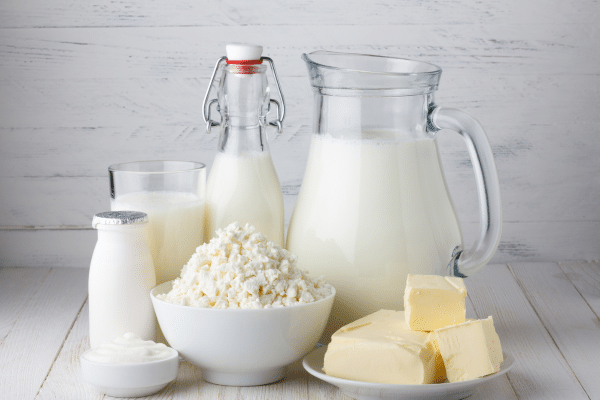
Full-fat dairy products, while rich in nutrients, are also high in saturated fats and calories. This can be problematic for individuals on a diet, as these fats contribute to weight gain and can adversely affect heart health. Full-fat dairy products should be consumed in moderation, especially for those trying to lose weight or maintain a healthy lifestyle. The key is to balance the nutritional benefits of dairy with its potential drawbacks.
Opting for low-fat or non-fat dairy options is a good strategy for those looking to reduce calorie and fat intake. These products offer similar nutritional benefits, such as calcium and protein, but with fewer calories and less saturated fat. This switch can make a significant difference in overall calorie consumption and health outcomes. It’s important to read labels and choose dairy products that are not only lower in fat but also free from added sugars.
The Bottom Line
Making informed food choices is crucial in any successful diet. This means being aware of the hidden pitfalls in everyday foods and beverages. Avoiding or limiting the intake of highly processed snacks, sugary drinks, fried and fast foods, refined carbs, desserts, full-fat dairy products, and alcohol can make a significant difference in dietary success. The focus should be on consuming foods that are not only satisfying but also nutritious and beneficial for overall health. Adopting a balanced approach to eating, rather than stringent restrictions, is more sustainable and beneficial in the long run. This approach encourages a healthier relationship with food and a more positive lifestyle change.