Contents
Effects on Children and Adolescents

Children and adolescents are particularly sensitive to the effects of late-night TV watching, as their brains and bodies are still developing. They require more sleep than adults, and disruptions to their sleep patterns can have significant effects on their mood, behavior, cognitive function, and physical health. The content of late-night television, often not designed for young viewers, can be particularly stimulating or distressing, leading to sleep disturbances and nightmares. The impact of these sleep disturbances goes beyond grogginess, potentially affecting school performance and social development.
Furthermore, establishing healthy sleep habits early in life is crucial for long-term well-being. When children and adolescents become accustomed to falling asleep with the TV on, they are more likely to continue this habit into adulthood, perpetuating the cycle of poor sleep and its associated risks. It’s essential for parents and guardians to model and enforce healthy sleep habits, including limiting TV time before bed, to ensure that children develop patterns that will lead to healthier lives.
The Habitual Nature of Late-Night Viewing

The convenience and comfort of ending the day with television can quickly turn into a deeply ingrained habit. The routine of watching TV before bed often becomes an automatic behavior, one that’s hard to break even when individuals are aware of its negative impacts. Psychological and social factors, such as using TV as a means to unwind or as a nightly ritual with family or roommates, reinforce the habit. Over time, the association between bed and TV becomes so strong that sleep might feel unattainable without it.
To change this habit, individuals need to understand the triggers and rewards associated with late-night TV watching. By identifying these factors, alternative routines can be established. This might include replacing TV with a book or audio content, practicing relaxation techniques, or rearranging the evening schedule to include a wind-down period without screens. Breaking the cycle requires effort and consistency, but the benefits to sleep quality and overall health are well worth it.
Technological Interventions and Solutions
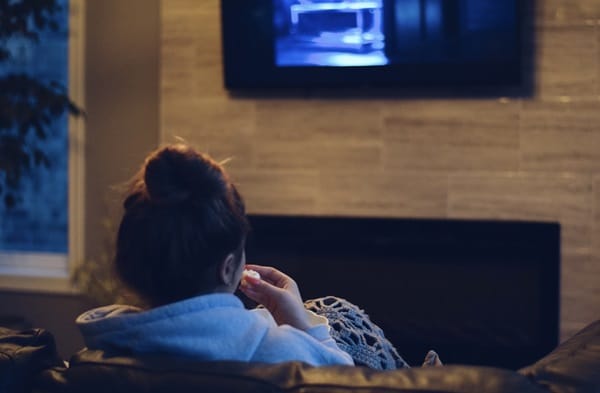
While technology is often part of the problem when it comes to poor sleep habits, it can also be part of the solution. Many devices now come with features designed to mitigate their impact on sleep, such as night modes that reduce blue light emissions or apps that remind users when it’s time to start preparing for bed. Some televisions and streaming services offer options to set viewing limits or end-of-day reminders, helping users stick to a healthier viewing schedule.
Beyond device settings, there are a variety of apps and tools aimed at promoting better sleep. These range from guided meditation and white noise apps to sleep tracking technology that helps users understand and improve their sleep patterns. By taking advantage of these technological aids, individuals can create a more sleep-friendly evening routine that allows them to enjoy their favorite shows in moderation while still prioritizing their health and well-being.
Encouraging a Mindful Approach to Evening Routines

Encouraging a more mindful approach to evening routines is vital for those looking to avoid the pitfalls of late-night TV watching. This involves being conscious of the activities and habits that lead up to bedtime and choosing those that support rather than hinder sleep. Mindfulness practices can help individuals become more aware of their body’s cues for sleep and the impact of their nightly routines on their sleep quality. By tuning into these cues, people can make more informed decisions about how to spend their evenings, opting for activities that promote relaxation and readiness for sleep.
In addition to individual efforts, societal and cultural shifts that prioritize sleep and well-being can support these changes. This might include challenging the notion that staying up late is productive or desirable and promoting a culture that values rest and relaxation. Employers, educators, and healthcare providers can all play a role in emphasizing the importance of sleep and providing the resources and support needed to help individuals adopt healthier habits. By collectively recognizing and addressing the impact of late-night TV watching, we can move toward a more rested and healthy society.
Reclaim the Night for Restful Sleep
In understanding the multifaceted ways that watching TV before bed affects sleep quality, psychological health, and physical well-being, it’s clear that changing this habit can significantly improve your life. Embrace the challenge to reform your nighttime routine, prioritize your health, and reclaim the sanctity of your sleep. Start tonight by turning off the TV earlier and exploring healthier activities that relax and prepare you for a restful night’s sleep. Your body and mind will thank you for the investment in your well-being.