Contents
Handling Organic Produce

There’s a common misconception that organic fruits and vegetables are free from all types of contaminants and, therefore, don’t require washing. While organic produce is grown without synthetic pesticides, they can still be exposed to natural pesticides and environmental pollutants. Furthermore, organic produce can come into contact with various contaminants during handling and transportation, similar to conventionally grown produce. Thus, washing organic fruits and vegetables remains an essential step in food preparation.
The approach to washing organic produce should be as diligent as with non-organic. Organic fruits and vegetables can benefit from gentle yet effective cleaning methods, such as rinsing under cold water or using a soft brush for tougher skins. It’s also important to wash organic produce even if you plan to peel it, as contaminants can transfer from the skin to the flesh when peeling or cutting. This highlights the importance of thorough washing as a universal practice, regardless of the produce’s organic status.
Reducing the Risk of Foodborne Illnesses

Proper handling and washing of fruits and vegetables play a crucial role in reducing the risk of foodborne illnesses. These illnesses, often caused by pathogens like Salmonella or E. coli, can be minimized by maintaining cleanliness in the kitchen. This includes washing hands and surfaces before and after handling produce. Additionally, proper storage of fruits and vegetables is essential to prevent the growth of harmful bacteria and to preserve their quality and nutritional value.
Washing fruits and vegetables is a key step in preventing foodborne illnesses. This process helps in removing bacteria and other pathogens that can cause illness. It’s particularly important for produce consumed raw, as cooking typically kills most bacteria. The practice of washing produce should be a regular habit, integral to kitchen hygiene and food safety. By doing so; you can significantly reduce the likelihood of foodborne illnesses and enjoy your fruits and vegetables with peace of mind.
The Environmental Perspective
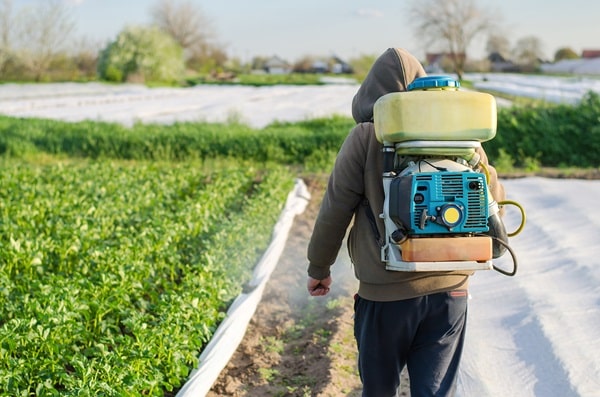
The widespread use of pesticides in agriculture has significant environmental implications. These chemicals can leach into the soil and waterways, causing pollution and harming wildlife. The impact extends beyond the immediate farming area, affecting biodiversity and the health of ecosystems. This environmental concern adds another layer to the importance of washing fruits and vegetables, as it helps to minimize your indirect consumption of these harmful substances.
Embracing sustainable farming practices is another aspect of this environmental perspective. Integrated pest management and supporting local and organic farms are practices that help reduce the reliance on harmful pesticides. By choosing produce from these sources, consumers can contribute to a healthier environment. However, even with these practices, washing fruits and vegetables remains crucial to ensure the removal of any residual contaminants. This reinforces the idea that washing produce is not only a health measure but also an environmental consideration.
Be Proactive in Preventing Foodborne Illnesses
As you’ve explored, the simple act of washing fruits and vegetables holds great significance for your health and the environment. While often understated, this practice is a key defense against contaminants and foodborne illnesses. By adopting thorough washing techniques and being mindful of your choices, you can significantly improve your dietary safety. Let’s commit to making the washing of produce a non-negotiable part of our food preparation routine. Doing so can significantly impact your health and contribute positively to the environment. Start today and witness the change in your well-being.