When to Worry

While most mild headaches are not a cause for alarm, certain symptoms accompanying a headache should prompt further medical evaluation. If a headache is unusually severe, comes on suddenly, or is the worst you’ve ever experienced, it could indicate a more serious condition, such as a stroke or aneurysm. Other alarming signs include headaches that progressively worsen or are accompanied by fever, neck stiffness, or visual disturbances.
Persistent headaches that do not improve with over-the-counter medication or those that disrupt sleep should also be evaluated by a healthcare provider. Changes in headache patterns, such as increasing frequency or intensity, can suggest underlying issues that require professional assessment. Paying attention to these signs and seeking timely medical advice can prevent potentially severe health outcomes.
Potential Consequences of Ignoring Mild Headaches

Ignoring mild headaches can sometimes lead to serious health implications if they are symptoms of more significant conditions. Chronic headaches can mask the signs of brain tumors, aneurysms, or chronic meningitis, which require early detection and treatment. Additionally, untreated headaches can lead to dependency on pain relief medications, which might have long-term side effects.
Furthermore, recurring mild headaches can impact mental health, contributing to anxiety and depression. The constant pain can affect your ability to concentrate, work, or enjoy life, leading to a decrease in life quality and productivity. Therefore, addressing even mild headaches with a healthcare professional can help diagnose any underlying conditions early and improve your overall well-being.
Diagnostic Approaches
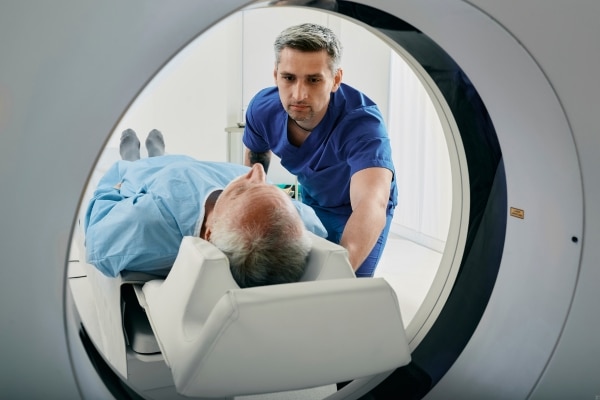
To determine the underlying causes of persistent mild headaches, healthcare providers typically begin with a thorough medical history and a physical exam. This initial assessment helps to rule out immediate red flags and guides further testing if necessary. Depending on the symptoms presented, a doctor may recommend imaging tests like an MRI or CT scan to look for signs of serious conditions such as tumors or vascular abnormalities.
In addition to imaging, diagnostic procedures might include blood tests to check for infections or toxins and eye exams to detect issues related to vision stress or glaucoma. It’s essential for patients to describe their headaches in detail, noting their frequency, location, and nature of the pain, as this information can be crucial for accurate diagnosis. Early and precise diagnosis increases the likelihood of effective treatment and the prevention of complications.