Contents
Nail Shape and Structural Abnormalities
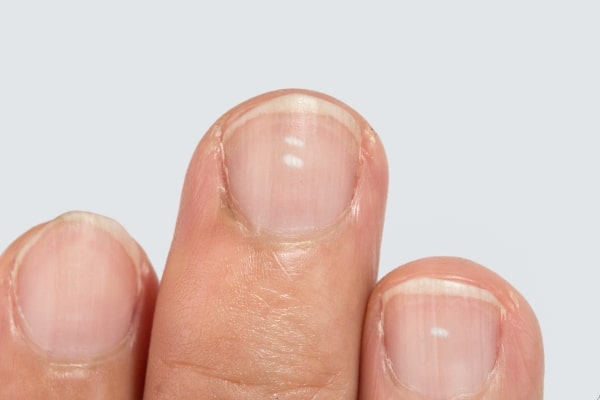
Changes in the shape of your nails can sometimes point to more serious health conditions. Spoon-shaped nails that curve upward at the edges may be linked to iron-deficiency anemia or other blood-related disorders. Clubbing, where the fingertips become enlarged and the nails curve downward, can be associated with lung disease or heart problems. These changes often develop gradually and may go unnoticed unless compared to earlier nail growth.
Other structural abnormalities can offer different health clues. Thickened nails may occur with fungal infections or poor circulation, especially in the toes. Misshapen nails or those with an uneven surface could point to underlying metabolic issues. Tracking shape and structure changes over time can help detect chronic problems that might otherwise remain hidden.
Nail Growth Patterns and Health Indicators
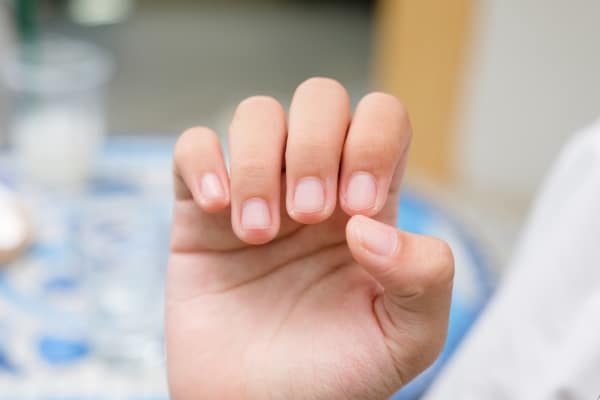
The speed and consistency of nail growth can provide insight into how well your body is functioning. On average, fingernails grow about three to four millimeters per month, but this rate varies based on age, diet, and overall health. Slower nail growth may indicate poor circulation, low metabolic activity, or hormonal imbalances such as hypothyroidism. A noticeable decrease in growth across all nails can sometimes reflect a lack of essential nutrients like protein or biotin.
Interruptions in nail growth often leave behind visible signs. Horizontal grooves or depressions, known as Beau’s lines, can develop after the body experiences severe stress, illness, or trauma. Nails that stop growing or begin to lift from the nail bed may signal autoimmune conditions or underlying infections. When only one nail shows unusual growth, it is usually due to a localized issue such as injury or inflammation. Observing nail growth over time can help detect hidden health concerns before other symptoms appear.
Conditions That Commonly Affect Nails

Certain medical conditions are known to affect nail appearance in noticeable ways. Psoriasis, for example, can cause pitting, discoloration, and thickening of the nails, sometimes leading to separation from the nail bed. Fungal infections are another common cause, often leading to yellowing, thickening, and brittle texture. These infections may start gradually but worsen if left untreated, especially in people with weakened immune systems.
Thyroid disorders can also produce visible changes in the nails. Hypothyroidism may lead to slow nail growth and brittle edges, while hyperthyroidism may cause nails to lift or become soft. Iron-deficiency anemia is frequently associated with pale or spoon-shaped nails that curl upward. People with diabetes may notice recurring fungal infections or delayed healing around the nail area. Recognizing these patterns can help link visible nail changes to specific health conditions that need medical care.
When to See a Doctor About Nail Changes

Not every nail change is cause for concern, but some signs should prompt a visit to a healthcare provider. Persistent discoloration, especially dark lines or spots under the nail, should never be ignored. These changes may indicate underlying issues such as melanoma, which requires early detection and treatment. Likewise, sudden changes in nail shape, thickness, or texture that do not improve over time may suggest deeper problems.
Additional warning signs include nails that begin to separate from the nail bed, grow unusually fast or slow, or display repeated signs of infection. If nail symptoms appear alongside fatigue, weight loss, shortness of breath, or skin changes, they may be part of a larger health issue. Keeping track of nail changes and sharing them with a healthcare provider can help identify patterns that might otherwise be overlooked. Early evaluation can lead to quicker treatment and better outcomes when serious conditions are involved.
Pay Attention to the Signs at Your Fingertips
Fingernails offer more than just aesthetic value—they can serve as a subtle window into your body’s health. While not every change points to a serious condition, consistent or unexplained differences in color, texture, or growth should be taken seriously. Paying attention to your nails can lead to earlier awareness of imbalances that might otherwise go unnoticed. Simple observations can play a small but powerful role in staying in tune with your well-being. When something feels off, your nails may be trying to tell you why.