Fingernails often go unnoticed until something seems off, but they can reveal valuable information about your overall health. The shape, color, texture, and growth of your nails are closely tied to internal processes, such as circulation, nutrition, and immune function. When something in the body is out of balance, changes in the nails are sometimes one of the first visible signs. While many nail changes are harmless or related to minor issues, others may point to more serious conditions that require attention. Understanding what to look for in your nails can offer a simple yet powerful way to stay informed about your body’s well-being.
Why Fingernails Reflect Your Health
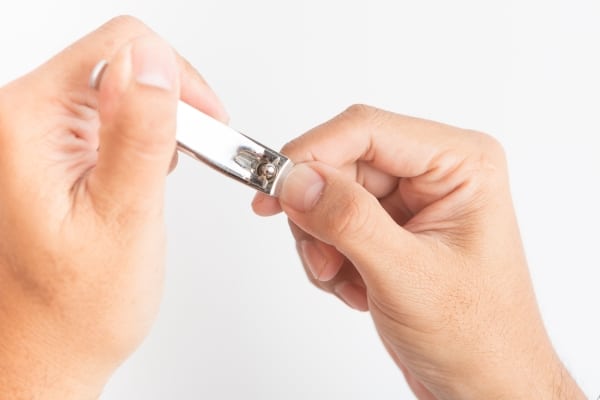
Nails grow from a small area under the skin called the matrix, which is supplied with blood rich in nutrients. This blood flow carries oxygen, vitamins, and minerals that are essential for strong and healthy nail growth. When the body is low on key nutrients or battling disease, the nails often react by changing in appearance. These changes are sometimes one of the first visible signs that something is off internally.
A healthy fingernail is smooth, slightly curved, and consistent in color from base to tip. Any sudden or unusual change in shape, thickness, or color may suggest a deeper health concern. Because nails grow gradually, they can hold a timeline of your body’s recent health history. Paying attention to these small shifts can help identify problems before they become more serious.
Color Changes and What They Could Mean
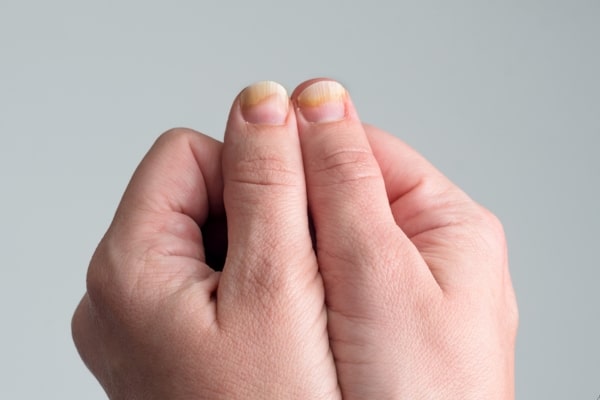
Color is one of the easiest nail features to notice, and certain changes may be linked to specific health conditions. For example, nails that appear pale or white may indicate anemia, liver disease, or poor circulation. Yellow nails are often the result of a fungal infection, but they can also be a sign of lung problems or lymphatic disorders. A bluish tint may point to low oxygen levels in the blood, especially in individuals with respiratory or cardiovascular issues.
In some cases, color changes are more subtle and easy to overlook. White spots may be due to minor injuries, but persistent spots could suggest a mineral deficiency. Dark streaks or brown discoloration under the nail should be taken seriously, especially if they appear without injury, as they may indicate melanoma. Monitoring color over time can provide clues about both minor imbalances and major health risks.
Texture Clues from Ridges to Pits
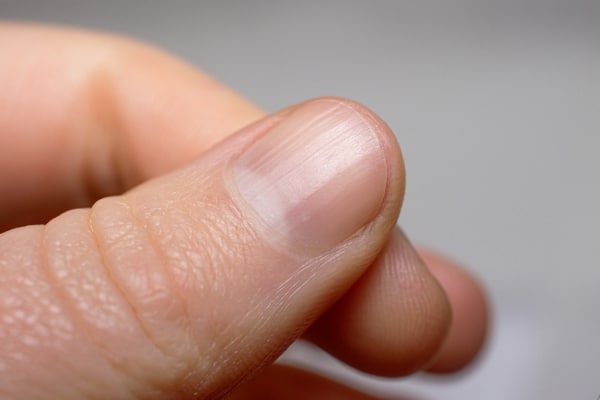
The texture of your nails can also be a strong indicator of your internal condition. Vertical ridges that run from the cuticle to the tip are usually harmless and often increase with age. However, deep horizontal grooves may signal that the body experienced a recent stress, such as a severe illness, high fever, or physical trauma. These grooves show a temporary pause in nail growth due to the body redirecting energy to healing.
Other texture issues may be linked to long-term health concerns. Pitting, which appears as small dents on the nail surface, is frequently associated with psoriasis or autoimmune disorders. Nails that peel, crack, or feel soft might reflect a lack of moisture or a deficiency in essential nutrients like biotin or protein. When texture changes persist or worsen, it may be time to evaluate your overall health and nutrition.