
Health And Safety Concerns

Public skepticism about GMOs often centers on potential health risks. Critics argue that altering the natural genetic structure of food might introduce allergens or toxins, posing new health risks to consumers. Regulatory agencies like the FDA, however, require rigorous testing before GMOs can enter the market, aiming to ensure that they are safe to eat. Most scientific bodies have reached a consensus that GMOs currently available for consumption are no more risky than conventional foods. Yet, calls for long-term studies persist, advocating for more extensive research into the effects of consuming genetically modified foods over a lifetime.
Concerns extend beyond immediate health risks to issues of antibiotic resistance. Some GMOs are engineered using antibiotic resistance genes as markers, which has led to fears about the potential horizontal gene transfer to pathogenic bacteria. This scenario, although scientifically plausible, has not been observed in the context of GMO consumption. Nonetheless, it remains a key point in the argument for stringent safety assessments and transparent food labeling, enabling consumers to make informed choices about the foods they eat and their broader health implications.
Environmental Impact
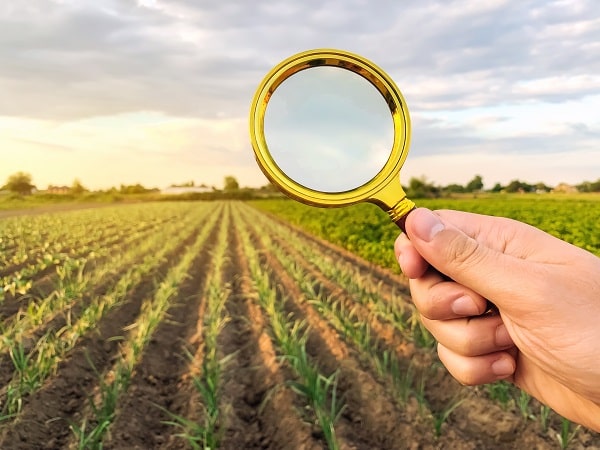
The environmental implications of GMOs present a paradoxical picture. On one hand, certain GMO crops are engineered to be herbicide-tolerant, which has led to an increase in herbicide usage in some regions, raising concerns about the long-term impact on soil health and non-target species. On the other hand, the introduction of pest-resistant GMOs has significantly decreased the need for chemical pesticides, potentially lessening the environmental toxin load. The impact on biodiversity is also a contentious issue, with some arguing that GMO crops could outcompete or crossbreed with wild relatives, disrupting local ecosystems.
Furthermore, the promise of GMOs to contribute to sustainable farming practices is subject to debate. Proponents highlight the reduced carbon footprint and less land required for the same yield of crops, which is crucial in protecting natural resources and combating climate change. Critics, however, contend that the reliance on a limited number of genetically uniform crops could make the food system more vulnerable to disease outbreaks and pests that evolve to bypass the engineered resistances. Striking a balance between harnessing the benefits of GMOs and protecting the environment remains a significant challenge for policymakers and scientists alike.
Regulations And Labeling

Navigating the regulatory terrain of GMOs is complex, with standards that vary dramatically between countries. In the European Union, for instance, GMOs are subject to stringent regulations and comprehensive risk assessments before they can be approved for cultivation or sale. Conversely, other countries, like the United States, operate under a more permissive regulatory framework that is based on the premise that GMOs are fundamentally similar to their non-modified counterparts. These differing regulatory philosophies not only impact the availability of GMOs on the global market but also reflect broader attitudes towards food safety and environmental protection.
Labeling of GMO products has been a contentious issue, stirring debate among consumers, activists, and corporations. Proponents of labeling argue that regardless of the safety of GMOs, consumers have a right to know what is in their food and make purchase decisions accordingly. Critics of mandatory labeling claim that it may imply a health risk where none exists, potentially steering consumers away from GMOs and undermining trust in food safety regulations. Despite the resistance, many countries have moved towards more transparent labeling, responding to a growing demand for openness about the origins and contents of food.
The Bottom Line
The debate over GMOs is multifaceted, encompassing scientific, ethical, and environmental dimensions. As technology progresses and the global population continues to rise, GMOs present a compelling solution to some of the most pressing food security challenges. Yet, the concerns surrounding their impact on health, biodiversity, and socioeconomic structures are valid and necessitate ongoing attention. It is clear that the future of GMOs will not solely be shaped by their technological capabilities but also by how well they can be integrated into a world that values choice, transparency, and sustainability.