Ear infections are one of the most common reasons people visit the doctor. They can be extremely painful and can make it difficult to hear. In some cases, they can even lead to permanent hearing loss. If you or someone you know suffers from an ear infection, it is essential to seek medical attention immediately. But you can also do some different things at home to help alleviate discomfort and speed up the healing process. And this article is here to teach you some of the different methods that may help.
Contents
Common Causes Of An Ear Infection

Ear infections are a common childhood illness but can also affect adults. The most common cause of an ear infection is a blockage in the ear canal, which can be from excess wax, a foreign object, or allergies. Another common cause of ear infections is a bacterial or viral infection, which can occur when cold and flu viruses enter the body through the nose and throat.
In some cases, an ear infection may also be from an injury to the eardrum. If you have suffered a recent injury to the ear, it is vital to see a doctor immediately, as this can also lead to hearing loss.
Home Remedies For An Ear Infection
As discussed in the introduction, seeking medical attention is the best method for handling an ear infection. However, you can also do some things at home to help alleviate discomfort and potentially speed up the healing process. Here are a few of your options:
Over-The-Counter Medication
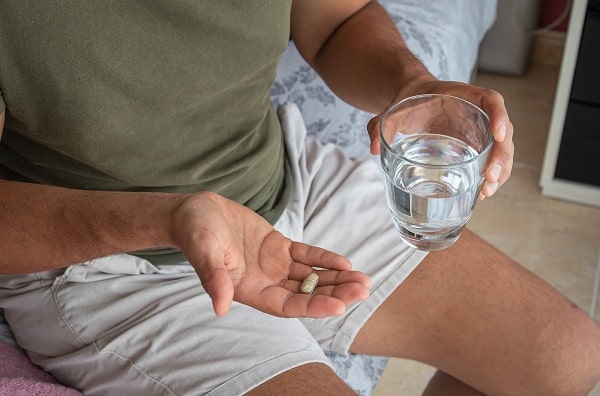
While some ear infections will eventually clear up on their own, the pain and discomfort can be significant. For this reason, many people turn to over-the-counter (OTC) medication for relief. The most common type of OTC medication for ear infections is a topical pain reliever, which can help to reduce inflammation and pain. However, it is essential to note that these medications will not treat the infection itself.
These medications can help to reduce pain and inflammation, but you should only use them under the supervision of a doctor. In addition, some people may experience allergic reactions or other side effects from topical pain relievers. As such, it is always important to read the label and follow the directions carefully. For more severe ear infections, oral pain relievers may be necessary.
Warm Compress

One of the most effective home treatments for ear infections is to apply a warm compress, which can help to reduce pain and inflammation by increasing blood flow to the affected area. Additionally, the warmth can help loosen any fluid built up in the ear. Wet a clean cloth with warm water to use a warm compress and apply it to the affected ear for 10-15 minutes. Repeat this process several times a day as needed until the symptoms improve.
This method typically only helps if the cause of the ear infection is fluid buildup. You should not use it for ear infections caused by an injury or foreign object. If you experience any pain or discomfort when using a warm compress, stop immediately and consult your doctor.