Contents
Sleep Tracking: A Rough Estimate
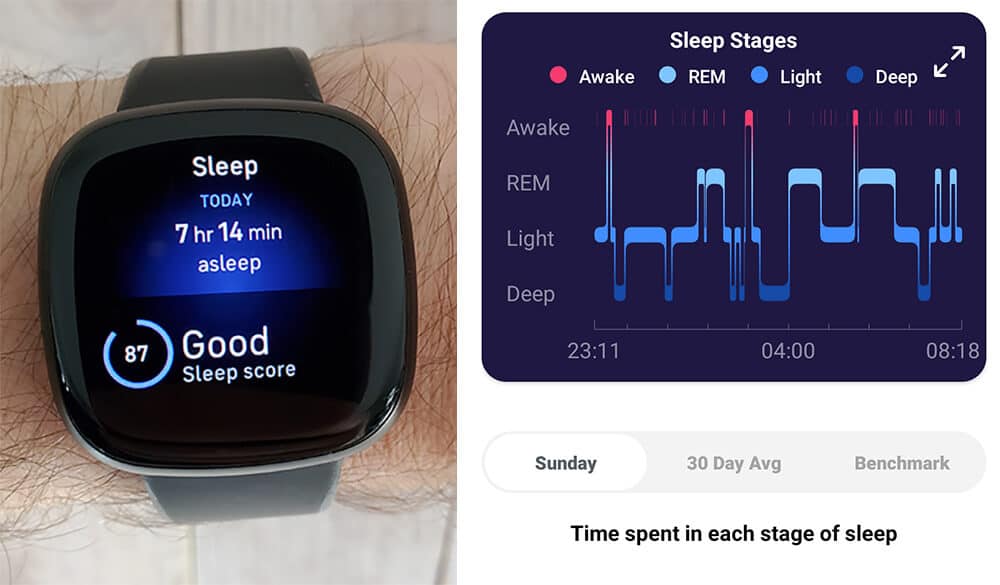
Fitness trackers attempt to monitor sleep patterns by using a combination of movement data and heart rate variability. These devices categorize sleep into different stages, such as light, deep, and REM sleep, based on the data collected. But, like the other elements mentioned, the accuracy of these categorizations can be questionable. Factors such as restlessness, brief awakenings, and even the tracker’s position can lead to misinterpretations of sleep data.
For a more accurate assessment of sleep quality, users might consider alternative methods such as sleep diaries or professional sleep studies. While fitness trackers can provide a general overview of sleep patterns, understanding their limitations ensures that users approach this data with the right perspective and expectations.
The Misinterpretation Of Distance And Elevation

Distance and elevation tracking in fitness trackers typically rely on GPS and accelerometers. These devices calculate distance based on the number of steps taken and sometimes incorporate GPS data for more precise tracking. However, it is important to remember that inaccuracies can arise due to factors such as GPS signal loss, variability in step length, and changes in terrain. For instance, walking uphill may not always be accurately represented in terms of elevation gain.
To enhance accuracy, users can calibrate their devices regularly and cross-reference data with other tracking methods. By being aware of these potential discrepancies, users can ensure that the data they receive is as accurate as possible, aiding in more effective training and activity tracking.
The Psychological Impact Of Fitness Trackers
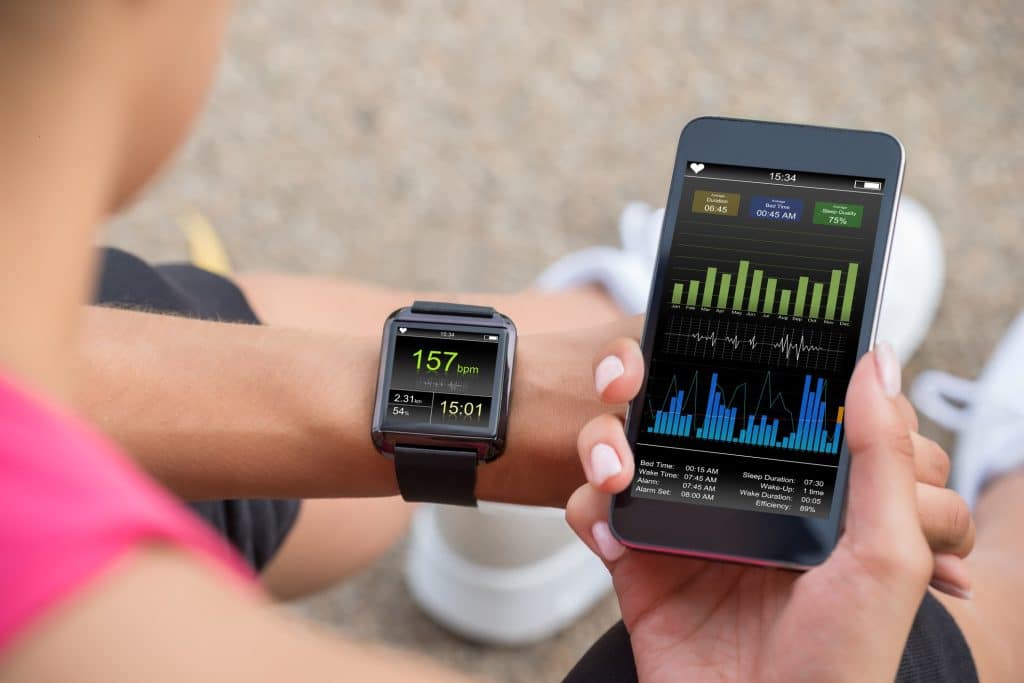
Reliance on fitness trackers can sometimes lead to an obsession over numbers, potentially causing stress and an unhealthy focus on metrics. Users may find themselves constantly checking their devices, aiming to achieve specific numerical goals without paying attention to their body’s signals. This overemphasis on data can lead to burnout and may even detract from the enjoyment of physical activity.
A balanced approach to using fitness trackers involves viewing them as guides rather than absolute measures of health and fitness. By focusing on overall well-being and listening to one’s body, users can ensure that they are using their fitness trackers effectively without succumbing to the stress of chasing numbers.
Ensuring You Get The Most From Your Tracker

Regular calibration and updates are essential to ensure that a fitness tracker provides the most accurate data possible. Users should also consider cross-referencing data from their trackers with other devices and methods. For instance, comparing the step count or distance measured by a tracker with a known distance can help identify any discrepancies. Additionally, paying attention to how the tracker is worn and ensuring it is in good working condition can also contribute to more accurate data.
Taking a proactive approach to understanding the functionalities and limitations of a fitness tracker can significantly enhance the user experience. By using the device as a guide and supplementing it with other forms of tracking and personal intuition, users can ensure they are making informed and beneficial decisions regarding their health and fitness.
Make Your Fitness Tracker Work For You!
In the realm of health and fitness, awareness of the potential inaccuracies in fitness trackers is crucial. While these devices offer valuable insights and can be powerful tools in one’s wellness journey, understanding their limitations ensures a balanced and informed approach. Users are encouraged to use their trackers wisely, cross-reference data when necessary, and always listen to their body’s signals. By adopting a mindful approach to using fitness trackers, users can harness the benefits of these devices without being misled by potential inaccuracies.