Fitness trackers have swiftly become a staple in the pursuit of health and wellness, offering a plethora of data at one’s fingertips. From counting steps to monitoring sleep, these devices promise a comprehensive overview of one’s daily activities and health metrics. The market is flooded with options, each claiming to be a reliable companion on a fitness journey. However, the question arises: How accurate and reliable are these fitness trackers? This blog post delves into the various aspects of fitness trackers and explores the ways in which they could be misleading you.
Contents
Decoding The Fundamentals Of Fitness Trackers
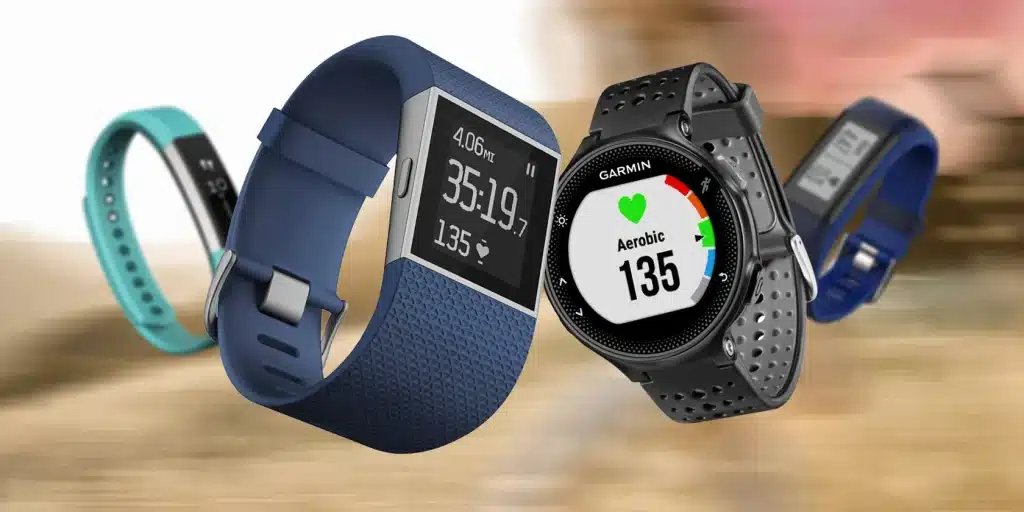
Fitness trackers operate using a combination of sensors, algorithms, and data interpretation techniques. These devices are equipped to track a variety of metrics such as steps taken, heart rate, calories burned, and sleep patterns. The data collected is then processed to provide users with insights into their health and fitness. However, the accuracy of this data can be influenced by the quality of the sensors, the algorithms used, and the individual user’s characteristics.
Diving deeper, one finds that fitness trackers employ accelerometers, gyroscopes, and sometimes even GPS to gauge movement and activity. These components work in tandem to provide a snapshot of a user’s daily activities. However, the precision of these readings can vary, leading to potential discrepancies in the data presented.
The Discrepancy In Step Counting

Step counting is a fundamental feature of fitness trackers, but the accuracy of this function can vary significantly between devices. Different trackers may employ distinct algorithms and sensors, leading to discrepancies in step counts. Factors such as arm movements, walking speed, and even the surface one is walking on can influence the count. ‘
Some trackers may overestimate steps, counting arm movements as steps, while others may underestimate, especially during slow or uneven walks. Despite these discrepancies, it is crucial to focus on the consistency of data rather than absolute accuracy. Fitness trackers serve as a tool to gauge activity levels over time, and while the exact step count may not always be spot on, observing trends and patterns can still provide valuable insights into one’s activity levels.
Inaccuracies In Calorie Burn Estimations
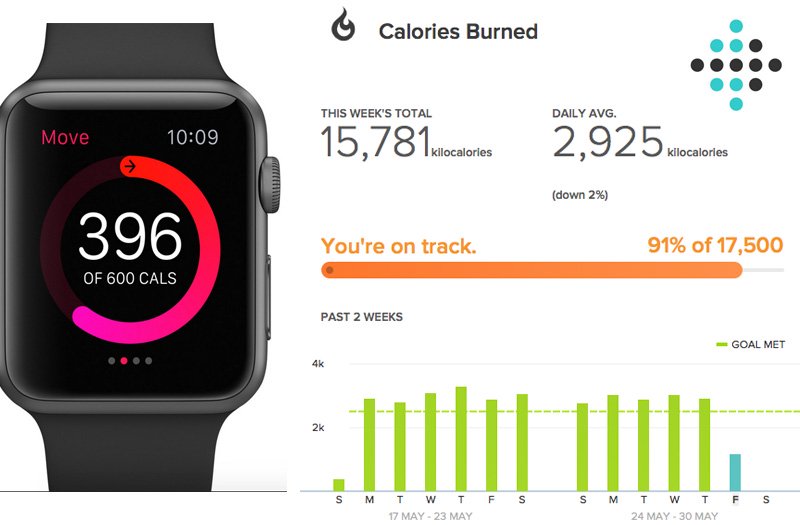
Estimating calories burned is another common feature of fitness trackers, but this metric can often be misleading. Trackers typically estimate calorie expenditure based on a combination of factors such as age, weight, heart rate, and activity level. However, individual metabolic rates and varying levels of exertion during similar activities can lead to inaccuracies in these estimations.
For instance, two individuals of similar weight and age may burn a different number of calories while performing the same activity. To obtain a more accurate estimation of calories burned, users can consider incorporating additional data such as food intake and energy levels. Cross-referencing tracker estimations with personal experiences and other tools can provide a more holistic and accurate understanding of one’s caloric expenditure.
Heart Rate Monitoring: Not Always Spot On

Fitness trackers commonly use optical sensors to monitor heart rate by detecting changes in blood volume under the skin. These sensors emit light that penetrates the skin and reflects back to the sensor, allowing the device to calculate heart rate based on the frequency of blood flow. However, several factors can lead to inaccuracies in these readings. The placement of the tracker, skin tone, and even the intensity of physical activity can impact the accuracy of the heart rate data provided.
Continuous monitoring and spot checks can also yield different results. While continuous monitoring provides an average heart rate over a period, spot checks can be influenced by immediate factors such as recent activity or stress. Understanding these nuances is crucial for users who rely on heart rate data for training or health monitoring.