
The gut, often referred to as the second brain, plays a pivotal role in your overall health. A healthy gut contributes to a strong immune system, heart health, brain health, improved mood, restful sleep, and effective digestion. However, an unhealthy gut can lead to a variety of issues like bloating, constipation, diarrhea, heartburn, and excessive gas. These symptoms are not only uncomfortable but can significantly impact one’s quality of life. It is, therefore, crucial to understand and take proactive steps to improve gut health. Thankfully, this post is here to show you how to do just that!
Understanding the Gut Microbiome
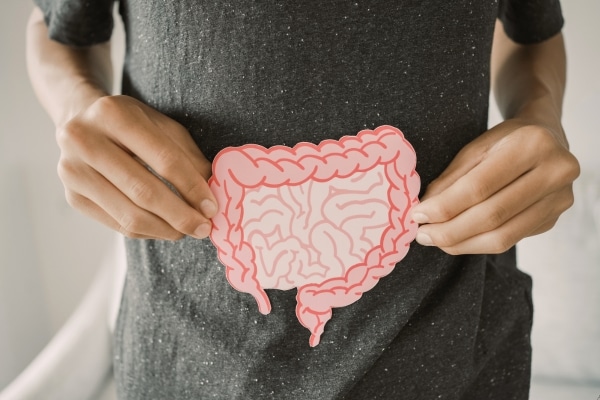
Your gut is home to trillions of microorganisms, which are collectively known as the gut microbiome. This community of bacteria, yeast, and viruses resides in your digestive tract and plays a crucial role in many aspects of health, including digestion, immune function, and even mood regulation. An imbalance in this ecosystem due to factors like poor diet or stress can lead to what’s known as gut dysbiosis. This condition can contribute to numerous health problems, from digestive issues to mental health conditions.
A diverse range of bacteria characterizes a healthy gut microbiome. When this diversity is compromised, or there’s an overgrowth of harmful bacteria, it can negatively impact gut health. Understanding this delicate balance is the first step toward improving an unhealthy gut. The key lies in promoting the growth of beneficial bacteria while inhibiting the proliferation of harmful ones.
Signs of an Unhealthy Gut

An unhealthy gut often manifests itself through a variety of symptoms. Common signs include physical discomforts such as bloating, constipation, diarrhea, heartburn, and excessive gas. While seemingly mild, these symptoms can be quite uncomfortable and disruptive, impacting daily life and well-being.
In addition to these physical symptoms, an unhealthy gut can also have psychological implications. Emerging research has found a connection between gut health and mood disorders, indicating that issues like anxiety and depression may have roots in the gut. Recognizing these signs is crucial for taking timely action to improve gut health. It’s essential to listen to your body and seek professional help when these symptoms persist.
Factors Contributing to an Unhealthy Gut

Various factors can contribute to an unhealthy gut. Lifestyle habits such as a lack of exercise, high stress levels, and inadequate sleep can negatively affect gut health. These factors can disrupt the balance of the gut microbiome, leading to dysbiosis and its associated health problems. Changing these habits can be a step towards improving gut health.
Diet also plays a significant role in gut health. Consuming a diet high in processed foods, sugars, and unhealthy fats can harm the gut microbiome, promoting the growth of harmful bacteria. Conversely, a diet rich in fiber, fruits, vegetables, and lean proteins can support a healthy gut by promoting microbial diversity. Understanding these contributing factors can guide you toward making healthier choices for your gut.