Stay Hydrated

Hydration is a key but often neglected element of a healthy lifestyle. Water is essential for every cell, tissue, and organ in the body, playing a vital role in maintaining temperature, removing waste, and lubricating joints. Despite its importance, many overlook simple hydration in their daily routines. Drinking sufficient water improves physical performance, aids digestion, and can even support weight loss efforts by increasing satiety and enhancing metabolic function.
Incorporating hydration into daily life doesn’t require expensive solutions. Carrying a reusable water bottle encourages drinking water throughout the day and reduces the environmental impact and cost of disposable bottles. Recognizing the signs of dehydration, such as fatigue, dry mouth, and headaches, can also prompt timely water intake. For those who find plain water unappealing, adding a slice of lemon or a handful of berries can enhance flavor without adding significant cost, making hydration both appealing and affordable.
Meditate

Meditation, a practice as old as time, has gained modern recognition for its numerous health benefits, all achievable without impacting one’s finances. It’s a tool for reducing stress, improving concentration, and promoting emotional well-being. By focusing on the present moment and becoming more aware of thoughts and feelings, meditation can bring about a sense of calm and balance, beneficial for overall mental health.
Starting a meditation practice requires no special equipment or expensive memberships. Free resources are abundant, with guided meditations available through apps, websites, and videos. Creating a quiet, comfortable space for meditation at home can enhance the practice, and it doesn’t have to be elaborate—a simple, clean corner of a room can serve as a tranquil spot. Regular meditation, even just a few minutes a day, can make a significant difference in stress levels and mental clarity, proving that peace of mind doesn’t have to come with a price tag.
Grow Your Own Produce
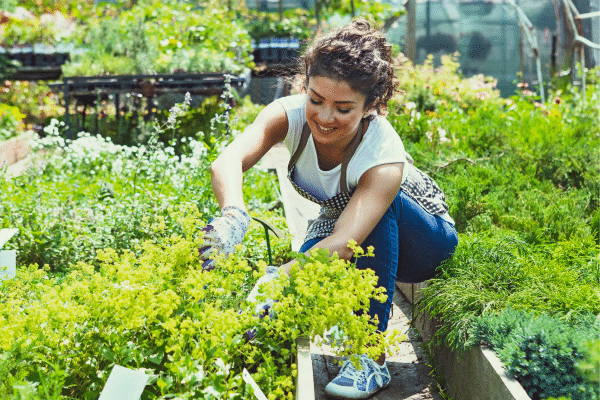
Gardening is not just a rewarding hobby; it’s also an effective way to improve diet quality and save money. Growing one’s own fruits, vegetables, and herbs can reduce grocery bills and ensure a supply of fresh, nutritious produce. Gardening also offers physical activity and can be a source of relaxation and satisfaction, providing benefits for both physical and mental health.
Starting a garden doesn’t require a large space or significant investment. Container gardening or community garden plots can provide opportunities even for those with limited space. Simple tools and a few seeds are enough to start. Herbs like basil, mint, and parsley are easy to grow and can be used in a variety of dishes, adding flavor and nutrition. By investing time in a garden, individuals not only save money on groceries but also contribute to their health and the health of the planet.
The Bottom Line
A healthy lifestyle is achievable on any budget. This blog post has highlighted practical, cost-effective strategies to enhance well-being, from meal planning and home workouts to hydration and community engagement. The key is to make small, sustainable changes, focusing on consistency and resourcefulness. By prioritizing health and utilizing available resources, individuals can improve their well-being without financial strain. Remember, the most significant investment one can make is in their health, and it doesn’t have to break the bank.