Heart disease doesn’t always strike with a dramatic collapse or sudden pain; often, it builds silently over time. Early warning signs can be easy to miss or brushed off as unrelated discomfort. Many people ignore these clues until the situation becomes critical, which is why understanding the early symptoms is so important. Recognizing subtle changes in your body could be the key to avoiding a life-threatening event. This post highlights some of the most common signs of heart disease that often go unnoticed. Each symptom is explained in simple terms so you’ll know what to watch for. Paying attention now could lead to earlier treatment and better outcomes. With heart health, timing is everything.
Chest Discomfort That Comes and Goes

Chest discomfort doesn’t always feel like intense pain; sometimes, it shows up as pressure, tightness, or a squeezing sensation. This type of discomfort may come and go, especially during physical activity or emotional stress. While it can be tempting to blame it on indigestion or muscle strain, recurring chest discomfort could indicate blocked arteries. When your heart muscle isn’t getting enough oxygen, it sends distress signals that should never be ignored.
In some cases, this discomfort spreads to the arms, neck, or jaw, adding to the confusion. People often wait for dramatic symptoms, but heart-related pain can be subtle. These sensations might lessen with rest, giving a false sense of reassurance. If chest discomfort returns repeatedly or worsens over time, it’s crucial to seek medical attention quickly.
Shortness of Breath During Normal Activities
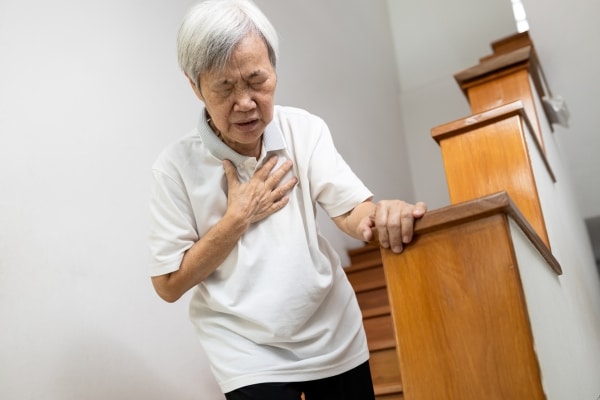
Feeling short of breath after climbing stairs or taking a walk might seem harmless, but it can be an early warning sign of heart trouble. Your heart pumps oxygen-rich blood throughout the body, and when it’s not working properly, your lungs and muscles suffer. Breathlessness during mild exertion could mean your heart is struggling to keep up. Over time, this symptom may become more noticeable during everyday tasks like grocery shopping or walking your dog.
It’s not uncommon to chalk up this symptom to aging or being out of shape. However, if you find yourself gasping for air more often or needing to stop and catch your breath, your heart might be sending a signal. Some people even experience shortness of breath while lying down, which can point to fluid buildup in the lungs. These symptoms are a sign that your heart’s pumping ability may be weakening.
Unusual Fatigue That Doesn’t Go Away

Feeling tired after a long day is normal, but persistent fatigue that lingers even after rest may be a red flag. When the heart can’t pump efficiently, your body doesn’t get the oxygen it needs, making you feel drained. This kind of tiredness often appears during simple activities like folding laundry or preparing meals. It’s a type of exhaustion that feels deeper than just needing a nap.
Many people with heart disease notice a significant change in energy levels weeks or even months before being diagnosed. This isn’t about skipping sleep—it’s about your heart struggling to support your body. If you’re constantly wiped out despite getting enough rest, it’s worth discussing with a healthcare provider. Consistent, unexplained fatigue is never something to brush off.