Obesity is a global health concern that affects millions of people worldwide. Often, it is simplistically attributed to poor lifestyle choices like unhealthy eating and lack of exercise. However, this perspective overlooks the complex psychological factors that contribute to obesity. The stigma surrounding obesity, emotional eating, stress, and self-esteem are just a few psychological layers that can significantly impact an individual’s weight. This article aims to delve into these layers, offering a comprehensive understanding of the mental aspects contributing to obesity. By exploring these psychological dimensions, we can better comprehend the intricacies of obesity and work towards more effective treatment strategies.
The Stigma Surrounding Obesity

Social Perceptions
Society often views obesity through a lens of judgment, associating it with laziness or a lack of self-control. This societal stigma can be incredibly damaging, leading to negative self-perception among those who are obese. The media often perpetuates these stereotypes, further ingraining these harmful views into the collective consciousness. This societal bias not only affects the mental well-being of individuals but also influences public health policies, which may not adequately address the psychological aspects of obesity.
Impact on Mental Health
The stigma surrounding obesity doesn’t just stop at societal judgments; it profoundly impacts mental health. Individuals who are obese often experience higher levels of depression, anxiety, and other mental health disorders. The constant judgment and stereotyping can lead to a cycle of self-loathing and emotional distress. This mental toll can further exacerbate the condition, making it even more challenging for individuals to move toward a healthier lifestyle.
Emotional Eating as a Coping Mechanism

Definition of Emotional Eating
Emotional eating is a term that describes using food to cope with emotional states rather than eating out of physical hunger. It’s a coping mechanism that many people, not just those who are obese, resort to when dealing with stress, sadness, or even boredom. Understanding emotional eating is crucial because it bridges psychological factors and the physical act of consuming more calories than needed.
Emotional Triggers
Various emotional triggers can lead to episodes of emotional eating. Stress is a significant factor, but so are feelings of sadness, loneliness, and boredom. Emotional eating often provides temporary relief from these emotional states, but it doesn’t address the root cause of the emotion. Over time, this cycle can become ingrained as a habitual response to emotional triggers, making it a challenging pattern to break.
The Role of Stress in Obesity
Stress Hormones and Weight Gain
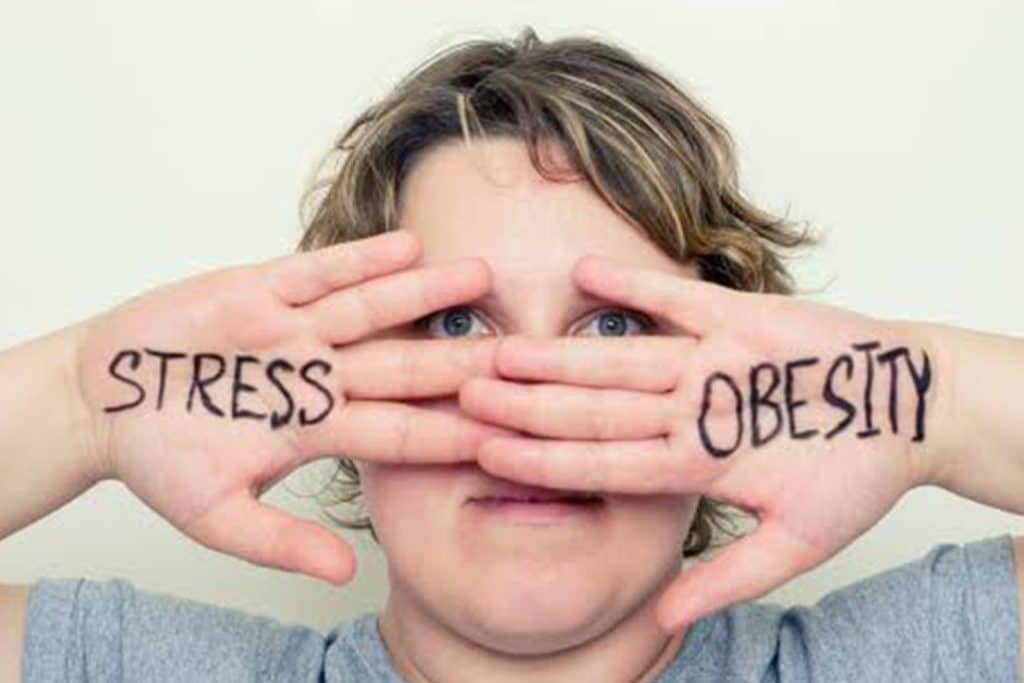
Stress plays a significant role in weight gain and, consequently, obesity. When stressed, the body releases hormones like cortisol, linked to increased appetite and cravings for high-calorie foods. Furthermore, cortisol promotes fat storage, especially around the abdominal area. This physiological stress response was beneficial for our ancestors, who needed to store energy for survival, but it is counterproductive in today’s world where high-calorie foods are readily available.
Vicious Cycle
The relationship between stress and obesity is a vicious cycle. Stress leads to emotional eating, which results in weight gain, further increasing stress levels. This cycle is self-perpetuating and can be incredibly difficult to break. Moreover, the additional weight gain can lead to other health issues like high blood pressure and diabetes, which add another layer of stress. Understanding this cycle is crucial for developing effective interventions that address both the psychological and physiological aspects of obesity.