Contents
The Role of Schools in Preventing Childhood Obesity

As influential institutions in children’s lives, schools are uniquely positioned to aid in obesity prevention. They can support healthy eating by providing balanced, nutritious meals and limiting the availability of unhealthy snacks and drinks. Incorporating nutrition education into the curriculum can also help students make healthier choices.
In addition to diet, schools should promote physical activity through daily physical education classes and active breaks. School-wide initiatives, such as walking or biking to school programs, can further encourage an active lifestyle. Through these measures, schools can foster an environment conducive to a healthier lifestyle, potentially reducing obesity rates among students.
The Role of Healthcare Providers in Preventing Childhood Obesity

Healthcare providers are crucial in tracking children’s growth and identifying potential risks of obesity. Regular check-ups allow them to monitor the child’s weight and height and assess their Body Mass Index (BMI). If a child’s BMI is high, healthcare providers can counsel the family and guide them toward healthier lifestyle choices.
Additionally, healthcare providers can be a valuable resource for parents, providing them with tools and information to manage and prevent obesity at home. They can refer families to nutritionists, dietitians, and weight management programs that offer personalized support and guidance.
Role of Community and Government in Preventing Childhood Obesity

Community and government play significant roles in creating environments that promote healthy lifestyles and consequently prevent childhood obesity. They can implement policies and strategies that make healthy food options accessible and affordable to all families, regardless of income. They can also ensure that neighborhoods have safe spaces like parks and sports facilities where children can engage in physical activities.
In addition to infrastructure, governments can influence healthy behaviors through regulations and laws. For example, policies that limit the marketing of unhealthy foods to children, tax sugary drinks, or mandate physical education in schools can all have positive impact. On a community level, initiatives like farmers’ markets, community gardens, and local sports clubs can contribute to creating a healthier environment for children. Through a concerted effort, the government and community can significantly influence the prevalence of childhood obesity.
Management Strategies for Childhood Obesity
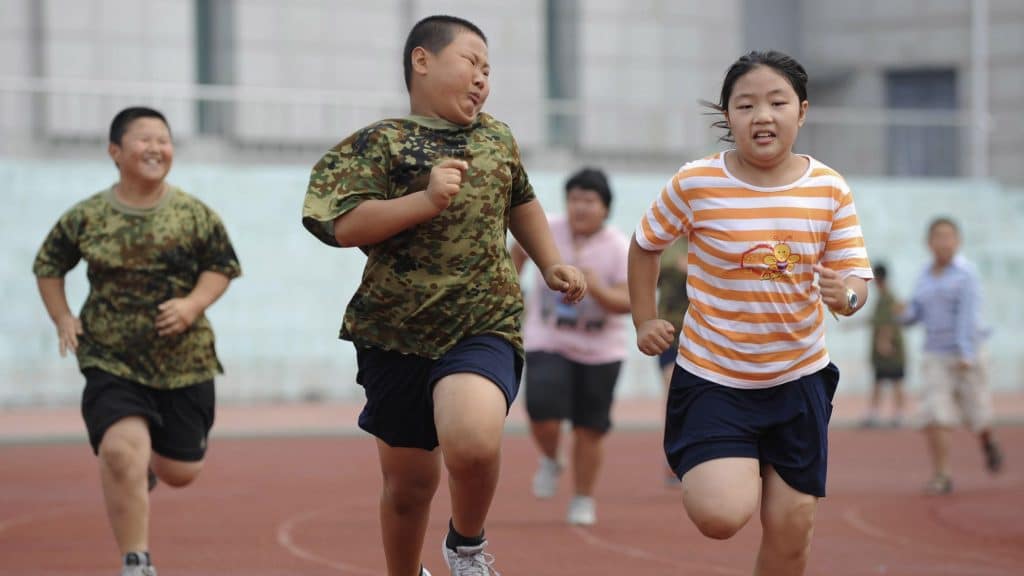
Management of childhood obesity requires a comprehensive, multi-disciplinary approach. Lifestyle changes, including improving dietary habits and increasing physical activity, are the first line of treatment. These changes involve the whole family and require consistent effort and dedication.
For some children, additional medical or behavioral treatments may be necessary. This can include consultation with a dietitian, participation in a weight management program, severe cases, medication, or surgery. Early intervention is essential to prevent further health complications and promote healthier adulthood.
The Bottom Line
The fight against childhood obesity involves children, parents, schools, healthcare providers, and society. We must collectively strive to promote healthy eating and regular physical activity, support those at risk, and ensure every child has access to a healthy future. Remember, prevention is always better than cure. The first step towards a healthier generation begins with understanding and taking action.
Sources
- CDC, 2020. Defining Childhood Obesity. [online] Available at: https://www.cdc.gov/obesity/childhood/defining.html
- WHO, 2020. Childhood overweight and obesity. [online] Available at: https://www.who.int/dietphysicalactivity/childhood/en/
- Mayo Clinic, 2020. Childhood Obesity. [online] Available at: https://www.mayoclinic.org/diseases-conditions/childhood-obesity/symptoms-causes/syc-20354827
- Harvard T.H. Chan, 2020. Schools Role in Obesity Prevention. [online] Available at: https://www.hsph.harvard.edu/obesity-prevention-source/obesity-prevention/schools/
- AAP, 2020. Prevention and Treatment of Child Obesity. [online] Available at: https://www.aap.org/en-us/advocacy-and-policy/aap-health-initiatives/Pages/Prevention-and-Treatment-of-Child-Obesity.aspx