Childhood obesity has emerged as a significant public health concern globally. With the prevalence of obesity tripling over the past three decades, nearly one in five children in developed countries are now overweight or obese. Beyond being a physiological issue, it is a complex problem that extends into psychology and sociology. The impacts of childhood obesity extend far beyond childhood, often leading to serious health complications in adulthood. By understanding its causes and consequences, you can formulate effective prevention and management strategies.
Contents
Understanding Childhood Obesity
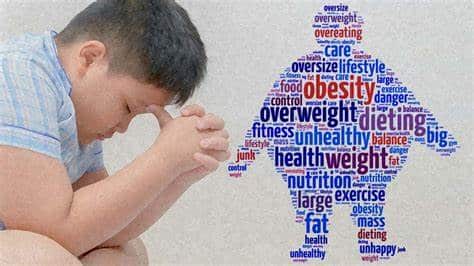
Obesity is an excess body fat that poses a health risk. Childhood obesity differs somewhat from adult obesity in its causes and potential impacts. A child is considered obese if their Body Mass Index (BMI)—a measurement derived from weight and height—is higher than that of 95% of their peers of the same age and sex.
Though obesity can be seen as a single issue, its roots are deeply interconnected with numerous aspects of modern life. Childhood obesity often stems from a complex interplay between genetic, behavioral, and environmental factors. Identifying these factors and understanding their implications is vital in shaping interventions for prevention and management.
The Causes of Childhood Obesity

Unhealthy eating patterns and a lack of physical activity are the most common causes of childhood obesity. Children today consume more processed and high-calorie foods and spend more time in sedentary activities, such as watching television or playing video games, than ever before. These habits increase the intake of energy-dense foods and limit energy expenditure, leading to weight gain.
Beyond these lifestyle factors, genetic predisposition and environmental factors also play significant roles. Some children are genetically predisposed to gain weight more easily. Furthermore, children from lower-income families or neighborhoods with limited access to fresh and nutritious foods are more likely to become obese. These factors emphasize that childhood obesity is not just a personal issue but a societal one.
The Consequences of Childhood Obesity
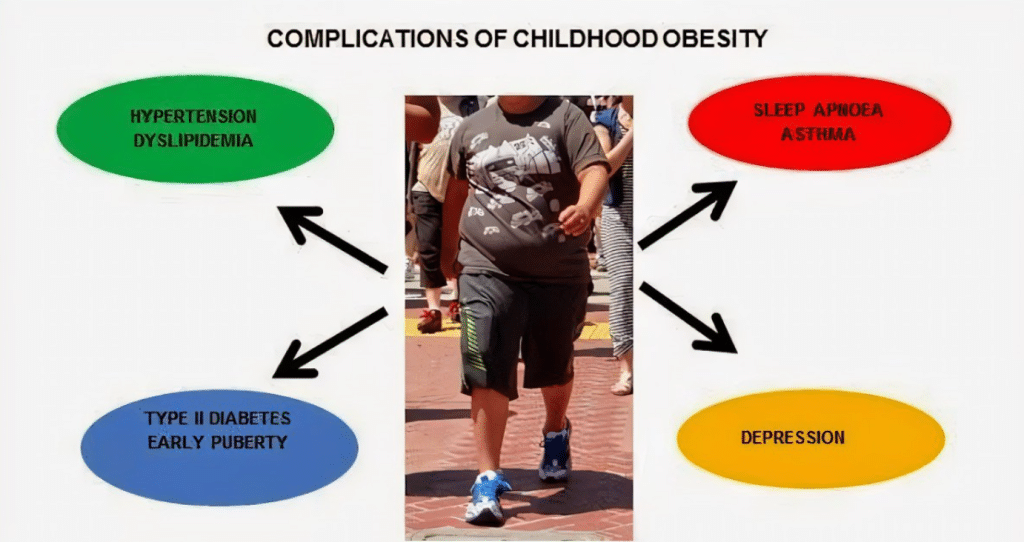
Childhood obesity can have detrimental effects on a child’s physical health. It can lead to serious conditions such as type 2 diabetes, heart disease, and high blood pressure. It can also result in the early onset of health problems that usually occur in adulthood, including fatty liver disease and sleep apnea.
The impact extends to mental health as well. Children who are overweight or obese often face stigmatization and bullying, leading to low self-esteem and depression. Furthermore, childhood obesity often persists into adulthood, leading to long-term health risks. Therefore, addressing and managing this issue early is crucial to prevent further complications.
The Role of Parents in Preventing Childhood Obesity

Parents play a pivotal role in shaping their children’s dietary habits and attitudes toward physical activity. Encouraging balanced meals, limiting the intake of high-calorie snacks and drinks, and incorporating fruits and vegetables into every meal can significantly reduce the risk of obesity.
Promoting physical activity is another essential aspect of prevention. Parents can facilitate regular exercise by engaging children in active play, enrolling them in sports programs, and encouraging less screen time. This active lifestyle can help children maintain a healthy weight while improving their mental health and social skills.