
Diet And Exercise: Their Role In Managing Anxiety

Diet and exercise play a significant role in managing anxiety and improving sleep quality. Certain foods and beverages, particularly those high in caffeine and sugar, can exacerbate anxiety symptoms and disrupt sleep patterns. Conversely, a balanced diet rich in fruits, vegetables, whole grains, and lean proteins can help stabilize mood and energy levels, contributing to better sleep. It’s also important to be mindful of meal timing, as eating too close to bedtime can lead to discomfort and restlessness.
Regular physical activity is equally important. Exercise not only helps in reducing anxiety but also improves sleep quality. It does so by reducing the time it takes to fall asleep and increasing the duration of deep sleep. However, timing is crucial; engaging in vigorous exercise too close to bedtime can be counterproductive, as it can leave the body too energized to fall asleep. Ideally, exercise should be done earlier in the day to maximize its benefits for sleep and anxiety management.
Mindfulness And Stress-Reduction Techniques

Mindfulness, a practice of being fully present and engaged in the moment, can be a powerful tool in managing anxiety and improving sleep. It involves observing thoughts and feelings without judgment, which can help in reducing the racing thoughts that often accompany anxiety at bedtime. Simple mindfulness exercises, such as focused breathing or body scan meditations, can be performed right before sleep to calm the mind. These practices encourage a state of relaxation, making it easier to drift off to sleep.
In addition to mindfulness, other stress-reduction techniques can be beneficial. Activities like journaling can provide an outlet for expressing worries and concerns, thereby reducing their intensity. Similarly, engaging in calming activities such as reading a light book or listening to soothing music can help in transitioning the mind away from anxious thoughts. The key is to find activities that resonate personally and make them a part of the nightly routine, thereby creating a mental space conducive to restful sleep.
Professional Help And Therapies

Seeking professional help is a vital step for those whose anxiety significantly impacts their sleep and daily functioning. Therapists can provide tailored strategies and support to manage anxiety more effectively. Cognitive Behavioral Therapy (CBT), in particular, is a highly effective treatment for anxiety disorders. It works by changing negative thought patterns and behaviors that contribute to anxiety and sleep problems. Medication may also be recommended in some cases, providing relief from severe symptoms that hinder sleep.
Consulting a sleep specialist can also be beneficial, especially when sleep disturbances persist despite trying various self-help strategies. These specialists can diagnose underlying sleep disorders and provide specific treatments. It’s important to remember that seeking help is a sign of strength, not weakness. Professional guidance can offer new perspectives and tools, significantly improving the quality of sleep and life for those struggling with anxiety.
The Importance Of A Consistent Sleep Schedule
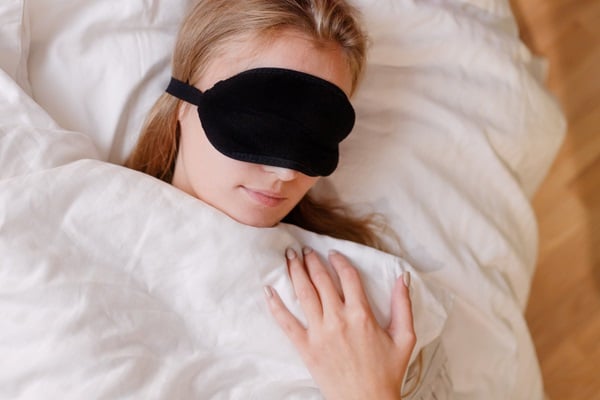
Maintaining a consistent sleep schedule is crucial in managing anxiety and fostering better sleep. Going to bed and waking up at the same time every day, even on weekends, helps regulate the body’s internal clock. This consistency makes it easier to fall asleep and wake up naturally. It also helps in reducing the amount of time spent in bed awake, a common issue for those with anxiety.
When nighttime awakenings occur, it’s important to have strategies to fall back asleep. Techniques such as deep breathing, visualization, or getting out of bed and engaging in a quiet activity until feeling sleepy can be helpful. The goal is to avoid lying in bed anxious and frustrated, as this can create a negative association with the sleeping environment. Consistency in sleep patterns, coupled with effective strategies for dealing with awakenings, can significantly improve sleep quality over time.
Embracing The Journey To Tranquil Nights
Managing anxiety to achieve a good night’s sleep involves a multifaceted approach. From creating a calming sleep environment and establishing a pre-sleep routine to incorporating diet and exercise, mindfulness practices, and seeking professional help, each strategy plays a vital role. It’s important to remember that what works for one person may not work for another, so it’s worth experimenting with different techniques to find the most effective combination. Patience and persistence are key, as improvements in sleep often take time. With the right approach, achieving restful sleep despite anxiety is not just a possibility but a realistic goal.