Contents
Fast Food Burgers

Fast food burgers are a major dietary offender when it comes to belly fat. These burgers are often high in calories, saturated fats, and refined carbohydrates, all of which contribute to abdominal weight gain. The meat used in fast food burgers is typically processed and high in unhealthy fats, while the buns are usually made from refined white flour, lacking in fiber and nutrients. This combination can lead to increased blood sugar levels and a higher propensity for fat storage in the belly area.
Additionally, fast food burgers are often accompanied by other high-calorie items like fries and sugary drinks, compounding the problem. The convenience and addictive taste of fast food makes it easy to consume these meals frequently, leading to a consistent surplus of unhealthy calories. Opting for homemade burgers with lean meats and whole grain buns, accompanied by healthier sides, can significantly reduce calorie intake and help in managing belly fat.
Candy Bars

Candy bars are a quick source of high sugar and unhealthy fats, making them a significant contributor to belly fat. They are typically loaded with refined sugars, leading to rapid blood sugar spikes and insulin levels. This spike and subsequent drop in blood sugar often lead to increased hunger and cravings, contributing to a cycle of overeating. The high content of unhealthy fats in candy bars, particularly trans fats, exacerbates the problem, leading to increased fat storage, especially around the abdomen.
The lack of nutritional value in candy bars is another concern. They offer little more than empty calories, providing no essential nutrients, vitamins, or minerals. This lack of nutrition, coupled with high-calorie content, makes candy bars particularly detrimental to health and waistlines. Choosing healthier snack options like fruit, nuts, or dark chocolate can satisfy sweet cravings without the negative impact on belly fat.
Full-Fat Dairy Products
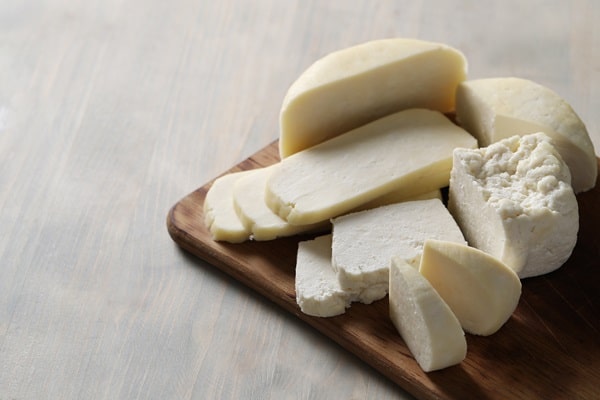
Full-fat dairy products, while providing essential nutrients, can also contribute to belly fat if consumed in excess. Products like whole milk, cheese, and cream are high in saturated fats, which can lead to increased abdominal fat if not balanced with a healthy diet. These fats can also contribute to higher cholesterol levels, posing additional health risks. It’s important to note that dairy fat is calorie-dense, meaning small servings can have a significant impact on daily caloric intake.
However, it’s also essential to recognize the benefits of dairy products, such as providing calcium and protein. The key is moderation and choosing lower-fat options when possible. For instance, opting for low-fat or non-fat dairy products can reduce the intake of unhealthy fats without sacrificing the nutritional benefits. Incorporating these healthier dairy options into a balanced diet can help in managing belly fat while still enjoying the benefits of dairy.
Fried Foods

Fried foods are notorious for their role in contributing to belly fat. Foods like French fries, fried chicken, and doughnuts are high in calories and trans fats, which are particularly harmful to abdominal health. The process of frying adds extra fat and calories, making these foods highly dense in energy but low in nutritional value. Additionally, the types of oils often used for frying can contain unhealthy trans fats, which are linked to increased abdominal fat, heart disease, and other health issues. The high fat content in these foods also makes them more difficult to digest, leading to bloating and a feeling of heaviness.
Moreover, the addictive nature of fried foods often leads to overeating. The combination of fats, salt, and often sugar creates a taste that many find irresistible, making it easy to consume these foods in large quantities. This overconsumption is a direct path to an increase in belly fat. Opting for baking or grilling as cooking methods can provide a healthier alternative, satisfying the craving for crispy foods without the unhealthy fats associated with frying.
Store-Bought Granola
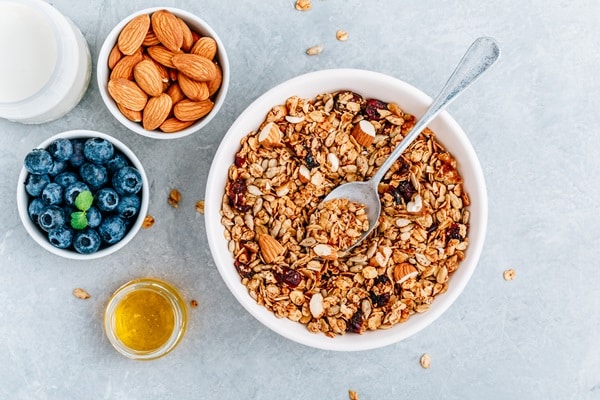
Store-bought granola, often perceived as a healthy option, can be a hidden source of belly fat. Many commercial granolas are packed with added sugars and unhealthy fats, negating the potential health benefits of the oats and nuts they contain. The high sugar content can lead to insulin spikes and increased fat storage, particularly around the waist. Additionally, the calorie density of granola means that even small servings can be quite high in calories, contributing to weight gain if not consumed in moderation.
The key to enjoying granola without the negative impact on belly fat is to choose or make versions with low sugar and healthy fats. Homemade granola allows for control over the ingredients, ensuring that it’s made with natural sweeteners and healthy oils. It’s also important to be mindful of portion sizes, as granola is often more calorie-dense than many realize. Incorporating homemade granola into a balanced diet can provide the benefits of whole grains and nuts without the excess calories and sugars found in many store-bought versions.
Transform Your Diet, Transform Your Life
Navigating the world of dietary choices can be challenging, especially when it comes to reducing belly fat. This list highlights some of the most common foods contributing to abdominal weight gain. By being mindful of these foods and opting for healthier alternatives, you can make significant strides in managing your waistline. Remember, moderation and balance are key in any diet. Start today by making small, sustainable changes to your eating habits, and watch as your journey towards a healthier, fitter you unfolds.