Contents
Cooking for Health

Healthy cooking methods can significantly impact the nutritional value of meals. Dietitians often recommend techniques that preserve the nutrient content of food while minimizing the addition of unhealthy fats and excess calories. Grilling, steaming, baking, and stir-frying are excellent methods for healthfully preparing meals. These techniques not only maintain the integrity of the food but also contribute to a variety of flavors and textures in the diet.
Choosing the right ingredients is just as important as the cooking method. Healthy oils like olive or avocado oil, incorporating herbs and spices for flavor, and being mindful of salt and sugar intake can make a substantial difference. Portion control is another vital aspect of healthy eating. Even with the healthiest ingredients, overeating can lead to an imbalance in nutrient intake and weight gain. Mindful eating practices, such as eating slowly and paying attention to hunger cues, can help maintain portion control.
Eating Out Wisely

When dining out, it can be challenging to maintain healthy eating habits. Dietitians suggest looking for menu items that are grilled, baked, or steamed rather than fried or breaded. Starting with a salad or vegetable-based appetizer is also beneficial to increase nutrient intake and help control hunger. Opting for dishes with lean proteins, whole grains, and fresh vegetables is key when ordering main courses. Restaurant portions are often larger than necessary, so asking for a half portion or sharing a meal can be a smart strategy.
Making special requests, such as asking for dressings or sauces on the side, can also aid in maintaining a healthy diet when eating out. It allows for better control over the amount of added fats and sugars. Additionally, being mindful of beverage choices is important. Opting for water, herbal teas, or unsweetened beverages instead of sugary drinks can significantly reduce calorie intake while dining out.
Managing Cravings and Snacking
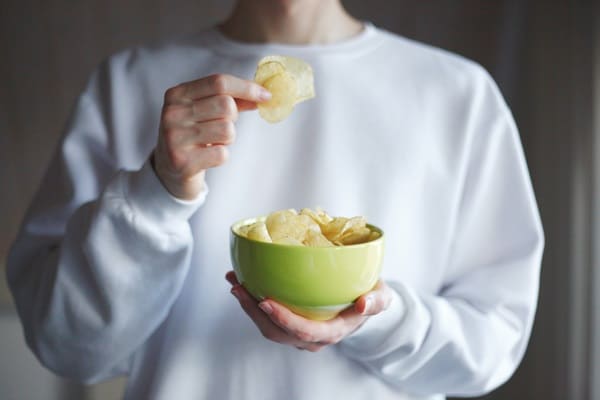
Snacking can be a healthy part of a diet if done correctly. Dietitians advise choosing satisfying and nutritious snacks, such as fruits, vegetables with hummus, nuts, or whole-grain crackers with cheese. These options balance carbohydrates, proteins, and healthy fats, helping maintain energy and satiety between meals.
Understanding the difference between true hunger and emotional eating is important to manage cravings. If a craving hits, waiting a few minutes and drinking water can sometimes diminish it. Choosing a healthier version of the craved food can be a good compromise if the craving persists. For example, if craving something sweet, opting for a piece of dark chocolate or fruit can satisfy the craving without derailing healthy eating efforts.
Hydration and Its Importance

Hydration plays a crucial role in overall health and well-being. Water is essential for various bodily functions, including digestion, absorption, circulation, and temperature regulation. Dietitians recommend drinking at least 8-10 glasses of water daily and more if physically active or in hot climates. Carrying a reusable water bottle can help ensure that water is always on hand.
Apart from water, other beverages like herbal teas and infused waters can contribute to hydration. However, limiting the intake of high-calorie drinks like sodas and fruit juices, which can add extra calories and sugars, is important. Monitoring urine color, which should be light yellow, can be a practical way to ensure adequate hydration.
The Bottom Line
Embracing the tips from dietitians to eat better is a step towards a healthier, more balanced lifestyle. From understanding individual nutritional needs to smart grocery shopping, cooking healthily, and staying motivated, these tips offer a comprehensive guide to improving dietary habits. While the journey to better eating requires effort and consistency, the benefits to health and well-being are immeasurable. With each small, sustainable change, individuals can transform their relationship with food, leading to a lifetime of healthy eating.