Skip to content

Tips From Dietitians To Eat Better

    The journey to better eating habits is a path of choices, challenges, and changes. As expert guides in the realm of nutrition, dietitians offer valuable insights into crafting a diet that nourishes the body and enriches overall well-being. This article delves into practical and professional dietitian tips designed to help individuals understand their unique nutritional needs, plan and prepare meals effectively, shop smarter, and cook to maximize health benefits. By integrating these tips into daily life, readers can transform their approach to food, leading to a healthier and more balanced lifestyle.

    Understanding Your Nutritional Needs
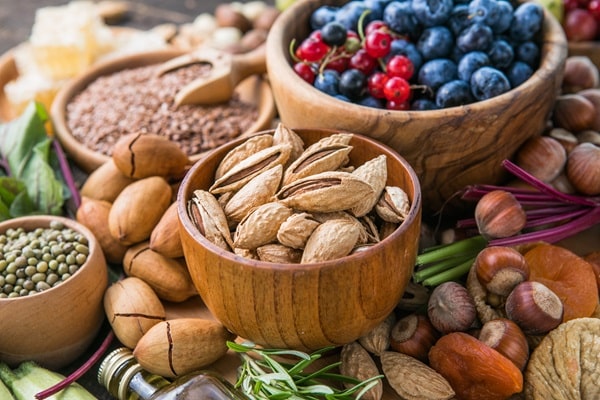
    Every individual’s body has unique nutritional requirements influenced by age, gender, activity level, and overall health. Dietitians emphasize the importance of understanding these needs to create a balanced diet. A well-rounded diet should include a variety of foods to ensure adequate intake of all essential nutrients. Key elements include carbohydrates for energy, proteins for muscle repair and growth, fats for energy and cell function, and a range of vitamins and minerals for bodily processes.

    The complexity of nutrition often lies in the balance of these macronutrients and micronutrients. Carbohydrates, proteins, and fats must be consumed in appropriate ratios, while vitamins and minerals, found in fruits, vegetables, and other foods, play crucial roles in maintaining health. Dietitians recommend incorporating a diverse range of whole foods like grains, lean proteins, healthy fats, and a colorful array of fruits and vegetables to meet these nutritional needs. This variety ensures a comprehensive nutrient intake and makes meals more enjoyable and satisfying.

    Planning Your Meals Effectively

    Meal planning is a cornerstone of eating well. Individuals can ensure they have the necessary ingredients for nutritious meals by planning meals, reducing the likelihood of opting for less healthy convenience foods. This process also aids in maintaining portion control and ensuring a balanced intake of nutrients throughout the day. Dietitians often suggest dedicating a day to meal planning and preparation, making healthy eating more manageable and less time-consuming.

    The strategy behind meal planning involves a mix of variety and balance. It’s important to design a menu that includes a range of food groups, ensuring that each meal contains a balance of carbohydrates, proteins, fats, and essential vitamins and minerals. For instance, a typical day’s meal might include a breakfast of whole-grain cereal with fruit, a lunch of grilled chicken salad with various vegetables, and a dinner featuring baked fish with quinoa and steamed vegetables. Snacks could include nuts, yogurt, or fresh fruit.

    Smart Grocery Shopping

    Grocery shopping with a health-focused approach is crucial for maintaining a nutritious diet. Dietitians recommend starting with a shopping list that aligns with your meal plan, which helps avoid impulse purchases of unhealthy items. This list should prioritize whole foods, such as fruits, vegetables, lean proteins, whole grains, and healthy fats while limiting processed foods high in sugar, salt, and unhealthy fats.

    Understanding food labels is an essential skill in making informed choices. Labels provide information on the nutritional content of foods, including calorie count, macronutrient ratios, and the presence of vitamins and minerals. Dietitians advise paying attention to serving sizes and the ingredients list, avoiding products with a long list of unrecognizable ingredients. This knowledge empowers individuals to choose foods that contribute positively to their diet.


    Cooking for Health

    Healthy cooking methods can significantly impact the nutritional value of meals. Dietitians often recommend techniques that preserve the nutrient content of food while minimizing the addition of unhealthy fats and excess calories. Grilling, steaming, baking, and stir-frying are excellent methods for healthfully preparing meals. These techniques not only maintain the integrity of the food but also contribute to a variety of flavors and textures in the diet.

    Choosing the right ingredients is just as important as the cooking method. Healthy oils like olive or avocado oil, incorporating herbs and spices for flavor, and being mindful of salt and sugar intake can make a substantial difference. Portion control is another vital aspect of healthy eating. Even with the healthiest ingredients, overeating can lead to an imbalance in nutrient intake and weight gain. Mindful eating practices, such as eating slowly and paying attention to hunger cues, can help maintain portion control.

    Eating Out Wisely

    When dining out, it can be challenging to maintain healthy eating habits. Dietitians suggest looking for menu items that are grilled, baked, or steamed rather than fried or breaded. Starting with a salad or vegetable-based appetizer is also beneficial to increase nutrient intake and help control hunger. Opting for dishes with lean proteins, whole grains, and fresh vegetables is key when ordering main courses. Restaurant portions are often larger than necessary, so asking for a half portion or sharing a meal can be a smart strategy.

    Making special requests, such as asking for dressings or sauces on the side, can also aid in maintaining a healthy diet when eating out. It allows for better control over the amount of added fats and sugars. Additionally, being mindful of beverage choices is important. Opting for water, herbal teas, or unsweetened beverages instead of sugary drinks can significantly reduce calorie intake while dining out.

    Managing Cravings and Snacking

    Snacking can be a healthy part of a diet if done correctly. Dietitians advise choosing satisfying and nutritious snacks, such as fruits, vegetables with hummus, nuts, or whole-grain crackers with cheese. These options balance carbohydrates, proteins, and healthy fats, helping maintain energy and satiety between meals.

    Understanding the difference between true hunger and emotional eating is important to manage cravings. If a craving hits, waiting a few minutes and drinking water can sometimes diminish it. Choosing a healthier version of the craved food can be a good compromise if the craving persists. For example, if craving something sweet, opting for a piece of dark chocolate or fruit can satisfy the craving without derailing healthy eating efforts.

    Hydration and Its Importance

    Hydration plays a crucial role in overall health and well-being. Water is essential for various bodily functions, including digestion, absorption, circulation, and temperature regulation. Dietitians recommend drinking at least 8-10 glasses of water daily and more if physically active or in hot climates. Carrying a reusable water bottle can help ensure that water is always on hand.

    Apart from water, other beverages like herbal teas and infused waters can contribute to hydration. However, limiting the intake of high-calorie drinks like sodas and fruit juices, which can add extra calories and sugars, is important. Monitoring urine color, which should be light yellow, can be a practical way to ensure adequate hydration.

    The Bottom Line

    Embracing the tips from dietitians to eat better is a step towards a healthier, more balanced lifestyle. From understanding individual nutritional needs to smart grocery shopping, cooking healthily, and staying motivated, these tips offer a comprehensive guide to improving dietary habits. While the journey to better eating requires effort and consistency, the benefits to health and well-being are immeasurable. With each small, sustainable change, individuals can transform their relationship with food, leading to a lifetime of healthy eating.