Try A UV Lamp
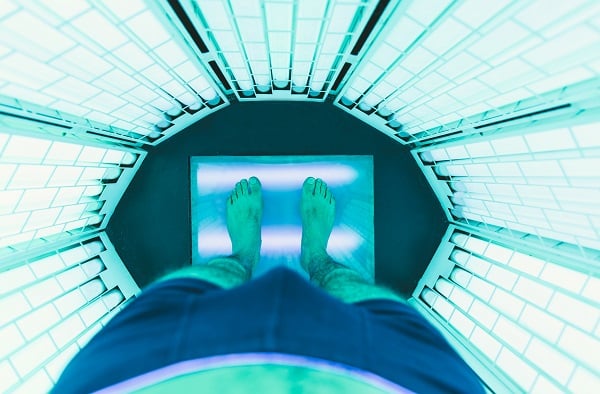
For those residing in regions with severe winters and minimal sunlight, UV lamps can offer a respite by simulating the sun’s effects. These special lamps emit ultraviolet light, stimulating the skin’s production of Vitamin D. They’re particularly beneficial for individuals who have limited opportunity to spend time outdoors during the winter or who have a higher risk of deficiency. Careful use of a UV lamp can supplement the body’s Vitamin D levels effectively.
Choosing the right UV lamp and using it safely is paramount. It’s essential to follow the manufacturer’s instructions and perhaps seek advice from a healthcare professional to avoid overexposure. With the correct use, UV lamps can be a convenient and efficient tool for boosting Vitamin D synthesis, compensating for the lack of natural sunlight during the cold, dark winter months.
Eat More Mushrooms
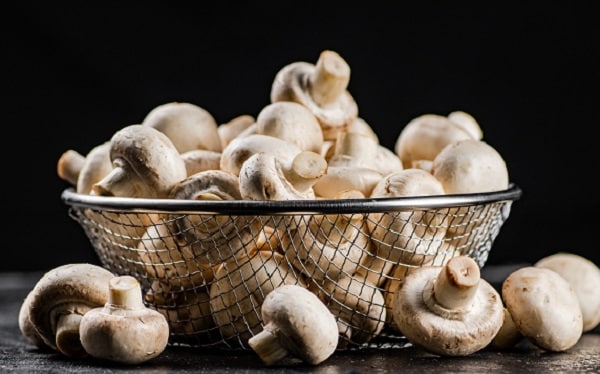
Certain varieties of mushrooms, particularly those exposed to sunlight or ultraviolet light during growth, can be significant sources of Vitamin D. Shiitake, maitake, and chanterelle mushrooms are examples of varieties rich in this essential nutrient. Incorporating these into meals can provide a plant-based, dietary means of boosting Vitamin D intake, especially beneficial for vegetarians and vegans.
Preparation and cooking methods can also influence the Vitamin D content of mushrooms. Research suggests that drying mushrooms in the sun can increase their Vitamin D content. Additionally, incorporating these sun-dried or UV-exposed mushrooms in various culinary creations can not only enhance flavor but also provide the much-needed Vitamin D boost during the winter months when sunlight is scarce.
Take A Supplement

Vitamin D supplements can be a practical and efficient way to ensure adequate intake during the winter months. These supplements come in various forms, including capsules, tablets, and liquid drops, making them accessible for all age groups. It’s critical to consider the dosage and form of the supplement, as individual needs can vary based on factors like age, body weight, and existing Vitamin D levels.
Before starting any supplement regimen, consulting with a healthcare professional is highly recommended. They can provide personalized advice based on specific health needs and conditions, ensuring safety and efficacy. With proper guidance, boosting Vitamin D supplements can be instrumental in maintaining optimal levels of this vital nutrient when natural sources are limited.
Eat Fortified Foods

A plethora of food options on the market are fortified with Vitamin D, serving as convenient sources of this essential nutrient. Products such as fortified milk, orange juice, and certain cereals can easily be included in the daily diet to enhance Vitamin D intake. Reading the nutritional labels can help identify these fortified products, assisting in making informed choices for a balanced and nutritious diet.
Combining fortified foods with natural sources of Vitamin D and supplements can create a holistic approach to maintaining adequate levels. It’s about creating a balanced diet that caters to the body’s needs, especially during the winter months when the natural synthesis of Vitamin D is compromised due to reduced sun exposure.
The Bottom Line
Ensuring adequate Vitamin D intake during the winter months requires a multifaceted approach, combining dietary intake, supplements, and exposure to natural or artificial sunlight. The challenge is real, given the limited sun exposure and the body’s increased need for this essential nutrient to combat the cold and flu season. By integrating a variety of foods rich in boosting Vitamin D, considering the use of UV lamps, and consulting professionals for tailored supplement advice, individuals can navigate the winter months healthily, with strengthened immune systems and enhanced overall well-being, despite the challenges that come with the season.