Contents
Myth 4: Fat Burner Supplements Are Essential

The allure of quick fixes and instant results has bolstered the market for fat burner supplements. Many individuals seeking to reduce belly fat are drawn to these products in the hope of accelerating their progress without the requisite effort. However, the effectiveness of such supplements is often overstated, with limited scientific evidence to support the bold claims made by manufacturers. Safety is also a concern, as not all supplements are subject to stringent testing and regulation.
In reality, there is no substitute for a balanced diet and regular physical activity when it comes to losing belly fat. It is always advisable to approach fat loss from a holistic perspective that incorporates a varied, nutrient-dense diet and a consistent exercise regimen. If considering supplements, consulting with a healthcare professional to understand their potential impacts and interactions is essential. An informed approach ensures safety and effectiveness in the pursuit of reduced belly fat.
Myth 5: All Belly Fat Is The Same

One common oversimplification about belly fat is the notion that all types are the same. In reality, belly fat is categorized into subcutaneous and visceral types, each with distinct characteristics and health implications. Subcutaneous fat lies directly under the skin, while visceral fat is stored deeper, surrounding the internal organs. Visceral fat is particularly concerning due to its association with various health issues, including cardiovascular diseases and type 2 diabetes.
Addressing the different types of belly fat requires a tailored approach. Reducing visceral fat, for example, is often closely tied to dietary habits. Consuming a balanced diet low in processed sugars and unhealthy fats can be especially effective. Combining this with regular physical activity that includes both cardiovascular and strength training exercises can significantly mitigate the risks associated with excess belly fat, fostering overall health and well-being.
Myth 6: Eating Fats Increases Belly Fat
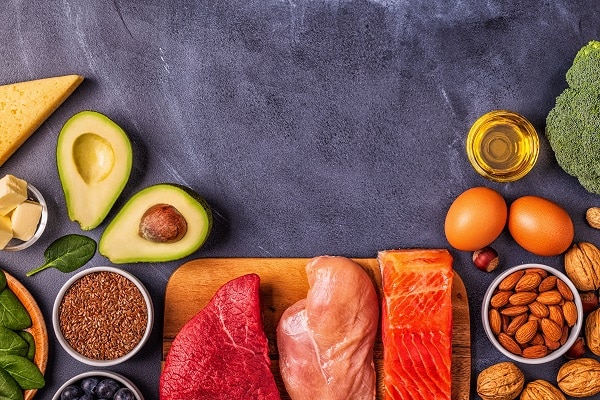
The misconception that consuming fats directly leads to increased belly fat is both outdated and misleading. Fats are an essential macronutrient, crucial for various bodily functions including hormone production, absorption of fat-soluble vitamins, and providing energy. It is the overconsumption of calories, not fats specifically, that contributes to weight gain and increased fat storage.
Differentiating between types of fats is critical. Trans fats and saturated fats, often found in processed foods, should be consumed in moderation. Conversely, unsaturated fats found in foods like avocados, nuts, and olive oil can be part of a healthy, balanced diet. Incorporating these healthy fats can actually support metabolic health and weight maintenance.
Myth 7: More Cardio Is The Only Solution

The belief that endless cardio is the golden ticket to losing belly fat is another misconception. While cardiovascular exercises are integral to any fitness regimen, balance is key. Cardiovascular training indeed burns calories and improves heart health, but it’s not the sole answer to fat loss. Strength training and flexibility exercises are equally significant to achieve a well-rounded, effective fitness routine.
Strength training, in particular, boosts muscle mass and metabolism, facilitating increased calorie burn even at rest. Incorporating a variety of exercises targeting different muscle groups ensures balanced development and offers comprehensive health benefits. The fusion of cardio, strength, and flexibility training fosters not only fat loss but enhances overall physical fitness and well-being.
The Bottom Line
In the quest to reduce belly fat, avoiding the pitfalls of common myths is essential. Relying on scientifically backed methods and adopting a holistic approach to health and fitness proves to be the most effective strategy. Balanced nutrition, diverse exercise routines, and informed choices pave the way for sustainable fat loss and enhanced well-being. As this journey unfolds, it’s imperative to remain guided by evidence, embracing practices that are as kind to the body as they are effective, ensuring that the pursuit of aesthetic goals aligns harmoniously with overall health and vitality.