
Prescription drug addiction, often overshadowed by illicit drug abuse, has silently burgeoned into a global crisis. Recent statistics reveal a startling increase in the misuse of prescribed medications, particularly opioids, stimulants, and sedatives. This article aims to shed light on this escalating issue, delving into its complexities and the multi-faceted approach required to combat it. By understanding the nature of prescription drug addiction, recognizing its signs, and exploring available treatments and preventive measures, this post seeks to educate and raise awareness about a problem that remains largely hidden in plain sight.
Understanding Prescription Drug Addiction

Prescription drug addiction is a complex and often misunderstood condition. It begins when individuals use prescribed medications for legitimate medical reasons but gradually develop a dependency. This dependency is not just physical but also psychological, as the drugs alter brain chemistry, leading to a compulsive need for the substance. Opioids, stimulants, and sedatives are the most commonly abused prescription drugs. Each category has its specific effects and risks, but all can lead to addiction if misused. Opioids, for instance, are prescribed for pain relief but can lead to a euphoric high that users seek to replicate, leading to misuse.
The transition from legitimate use to addiction is insidious. It often starts with tolerance, where the user needs higher doses to achieve the same effect. This escalation can quickly turn into dependence, where the body requires the drug to function normally. The psychological aspect of addiction involves a craving for the drug’s effects, whether to relieve pain, enhance mood, or escape reality. Understanding this transition is crucial in identifying and addressing prescription drug addiction, as it underscores the fine line between use and abuse.
Identifying The Risk Factors
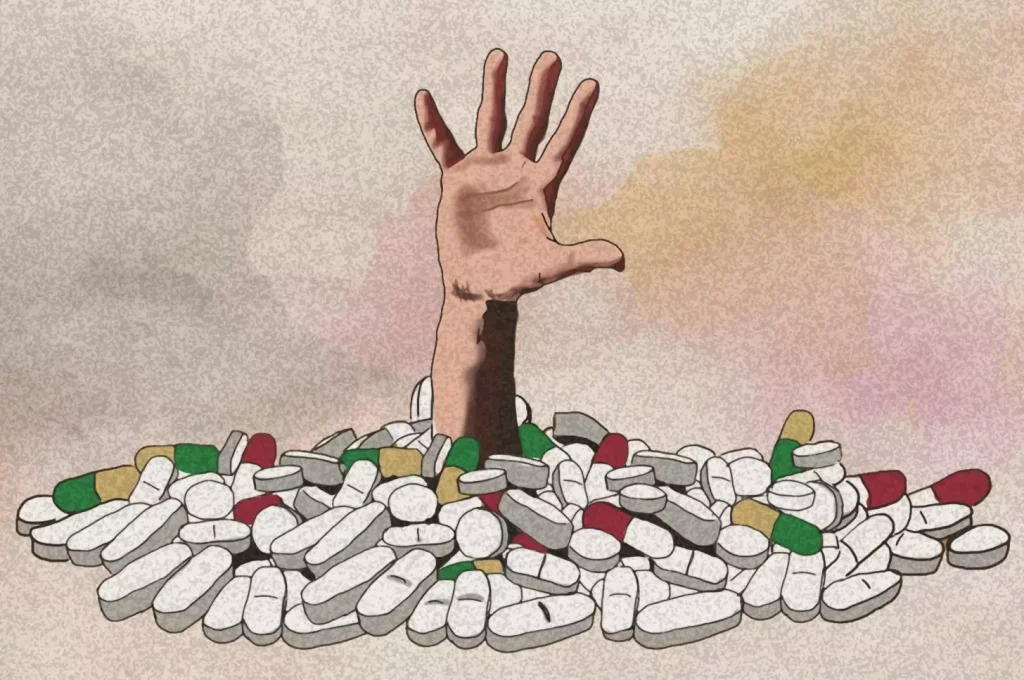
Certain individuals are more susceptible to prescription drug addiction due to a variety of risk factors. Age, gender, and socioeconomic status play significant roles. For instance, young adults and teenagers are particularly vulnerable due to their propensity for experimentation and peer influence. Additionally, individuals with a history of substance abuse or mental health disorders are at a higher risk. Environmental factors, such as exposure to high-stress situations or easy access to prescription drugs, also contribute to the likelihood of developing an addiction.
Chronic pain patients who require long-term prescription medication are another at-risk group. These individuals may inadvertently develop a dependency as they seek ongoing relief. The risk is compounded when there is inadequate monitoring and guidance from healthcare providers. Recognizing these risk factors is vital in preventing addiction and implementing early intervention strategies. It also helps in tailoring treatment and support systems to the specific needs of different groups.
The Hidden Signs Of Addiction
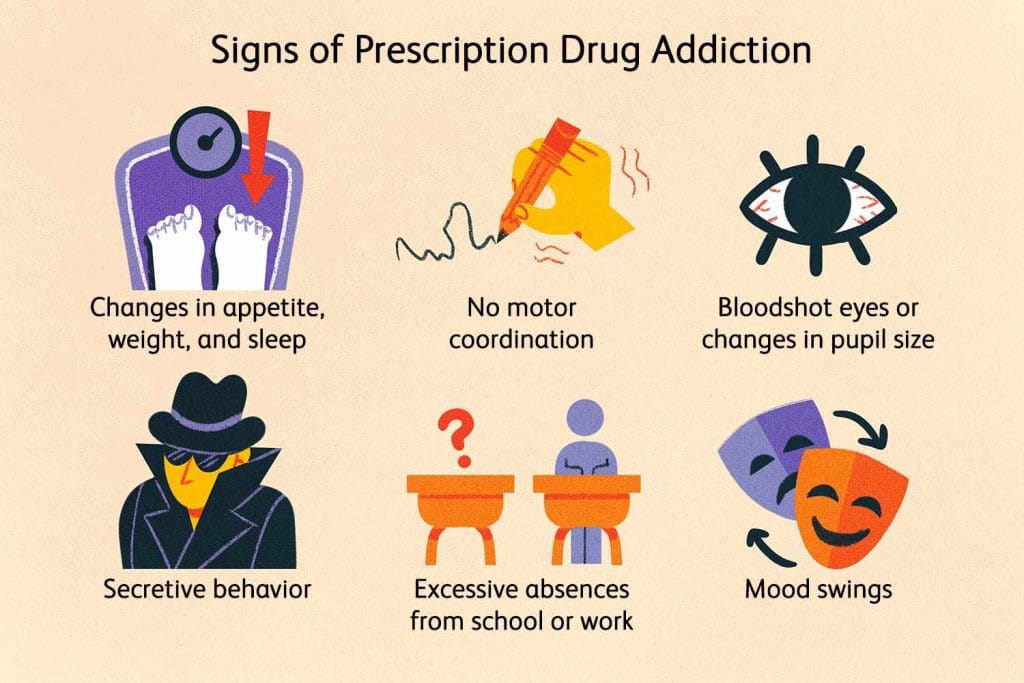
Prescription drug addiction often manifests in subtle ways, making it challenging to detect. Physical signs can include changes in sleep patterns, weight fluctuations, and deteriorating physical appearance. However, behavioral changes are often more telling. These can range from secretive behavior and social withdrawal to uncharacteristic mood swings and irritability. The individual may also exhibit a preoccupation with obtaining and using the medication, often going to great lengths to secure prescriptions.
Recognizing these signs in oneself or a loved one is complicated by the stigma surrounding addiction. Many people hesitate to seek help due to fear of judgment or denial of the problem. This stigma not only hinders early intervention but also perpetuates the silent nature of this epidemic. Understanding and acknowledging these signs are crucial steps in breaking the cycle of addiction and encouraging those affected to seek help.