Skip to content

The Science Behind Sleep and How to Improve It Naturally

    Sleep isn’t just a nightly pause—it’s a full-body reboot. Every single system in the body relies on sleep to function, from the brain’s ability to process thoughts to the immune system’s strength. Yet, with the constant distractions of modern life, quality sleep is becoming harder to come by. Natural sleep solutions are gaining popularity because people want results without depending on pills or side effects. By understanding how sleep works and making targeted changes, it becomes easier to enjoy the deep, uninterrupted rest the body craves.

    How the Sleep Cycle Actually Works
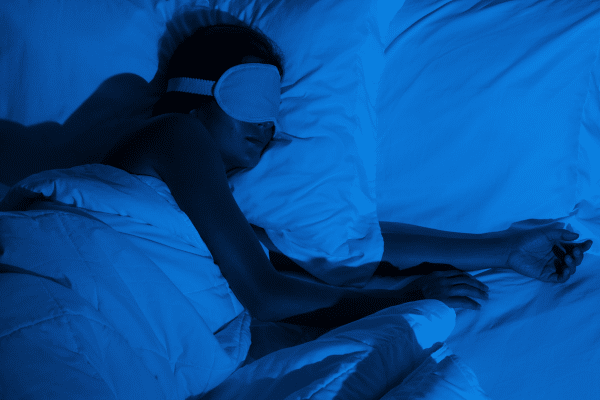
    The human sleep cycle isn’t a single uniform state. It moves through distinct stages, including light sleep, deep sleep, and REM (rapid eye movement) sleep. Deep sleep is where physical recovery occurs, while REM is responsible for memory processing and emotional balance. These cycles repeat every 90 minutes, with the body moving between stages in a natural rhythm. Disruptions at any stage can reduce sleep’s restorative effects.

    The circadian rhythm governs the internal clock and helps regulate these cycles. It responds primarily to light and darkness, triggering melatonin production to signal the body it’s time to wind down. Artificial light, especially from screens, can delay this process and confuse the body. By aligning daily routines with natural light exposure, people can help synchronize their sleep patterns. This makes falling asleep and staying asleep easier.

    What Happens When You Don’t Get Enough Sleep

    A lack of sleep does more than make people feel groggy—it puts the entire body under stress. Sleep deprivation weakens the immune system, increases inflammation, and can elevate blood pressure. Over time, it raises the risk for serious health conditions like heart disease and type 2 diabetes. Without adequate rest, the body simply can’t recover from daily stress.

    Mentally, the effects are just as damaging. Concentration becomes harder, moods swing easily, and productivity drops. Sleep-deprived individuals often find themselves overwhelmed by small challenges and struggle to stay focused. Even creativity and motivation begin to erode. The brain needs rest to reset, and when it’s constantly denied that reset, everything suffers.

    Your Brain on Sleep: The Natural Reset Button

    Sleep gives the brain the chance to flush out waste and reorganize. During rest, the glymphatic system activates, clearing out toxins that build up during waking hours. This “cleaning crew” can only function effectively when the body is in a deep sleep state. At the same time, the brain sorts through memories, reinforcing what matters and discarding the rest.

    Mental clarity improves when this reset process happens consistently. Emotional balance is easier to maintain, and decision-making becomes sharper. Sleep also fuels problem-solving and creativity, making it essential for both logic and imagination. It’s not an exaggeration to say that a good night’s sleep can completely change the way the brain performs the next day.


    Foods That Help (And Hurt) Your Sleep

    Certain foods can be powerful allies in the quest for better sleep. Tryptophan-rich options like turkey and bananas help increase melatonin naturally. Magnesium from foods like almonds or spinach can relax muscles and calm the nervous system. Tart cherry juice, oatmeal, and herbal teas also support restful sleep without side effects.

    On the other hand, some choices sabotage sleep altogether. Caffeine, even in the afternoon, lingers in the system and can delay sleep onset. Sugary snacks cause blood sugar spikes that lead to restless nights. Alcohol might make people drowsy at first, but it disrupts the later stages of the sleep cycle. Steering clear of heavy, spicy meals before bed also helps prevent late-night wakeups.

    Your Bedroom Environment Might Be the Problem

    The sleep environment plays a crucial role in how well people sleep. A room that’s too warm, bright, or noisy can cause repeated wakeups or delay sleep onset. Blackout curtains, white noise machines, and cooling bedding can transform a restless room into a sleep sanctuary. Even subtle things like the mattress type or pillow height can make a noticeable difference.

    Electronic devices are one of the biggest culprits. Blue light from screens tells the brain to stay awake by blocking melatonin. Keeping phones, TVs, and tablets out of the bedroom sets better boundaries for rest. Adding small touches like lavender diffusers or warm lighting also creates a calming atmosphere that tells the brain it’s time to wind down.

    Natural Sleep Aids That Actually Work

    Nature provides gentle ways to support better sleep without dependency. Herbal remedies like valerian root, passionflower, and chamomile have been used for centuries to ease restlessness. These natural aids help relax the nervous system and quiet a racing mind without grogginess the next day. Some people also turn to magnesium supplements, which help muscles relax and support a steady heartbeat during sleep.

    Melatonin supplements can be useful in small doses, especially for jet lag or temporary shifts in routine. However, they work best when combined with good sleep hygiene practices. Natural techniques like deep breathing or progressive muscle relaxation can also calm the body before bed. The goal isn’t sedation—it’s restoration.

    Daily Habits That Set the Stage for Better Sleep

    Daily routines shape the body’s ability to sleep well at night. Getting morning sunlight signals the brain to wake up and sets a healthy circadian rhythm. Movement throughout the day, especially light exercise, helps reduce stress and tire the body in a healthy way. These patterns tell the body when it’s time to be alert and when to wind down.

    Evening rituals matter just as much. Turning off screens an hour before bed, limiting late-night snacks, and dimming lights help the body transition into sleep mode. A short journaling session or a warm shower can signal that the day is over. Repeating these steps trains the brain to associate them with rest, making it easier to fall asleep over time.

    Sleep Is a Skill—And You Can Get Better At It

    Great sleep doesn’t happen by accident—it’s something that’s built over time with intention and care. From the way mornings begin to the way nights end, every choice influences how the body rests. Instead of looking for a single fix, combining small, natural habits creates powerful change. With consistency, the body begins to respond positively, craving the routine and delivering better sleep in return.

    Sleep isn’t just about feeling rested—it’s the key to thinking clearly, staying healthy, and living well. When it’s treated as a priority, everything else starts falling into place.