Potassium is a crucial mineral for human health, working tirelessly behind the scenes to ensure the body’s systems function optimally. This nutrient is more than a simple component of a balanced diet – it plays an integral part in the daily biological operations of the body, from muscle contractions to the regularity of your heartbeat. This article delves into potassium’s role, definition, biological function, dietary sources, and effects on human health. Armed with this knowledge, individuals can better appreciate the importance of this mineral and make more informed choices about their diet.
What Is Potassium?

Potassium, a chemical element under the symbol “K,” is one of the most abundant minerals on Earth and essential to life as you know it. From its discovery in the 19th century to its recognized value in modern nutrition, potassium has long held significance in multiple fields of study. In nature, it’s often found in minerals, seawater, and the Earth’s crust, playing a key role in various biological and environmental processes.
In the human body, potassium isn’t just a simple element but a critical mineral responsible for several key functions. Its importance is recognized by the medical community, with nutritionists stressing the necessity of incorporating potassium-rich foods into your diet. While this mineral may not receive as much attention as others, such as iron or calcium, its role in human health is equally vital.
The Biological Role Of Potassium
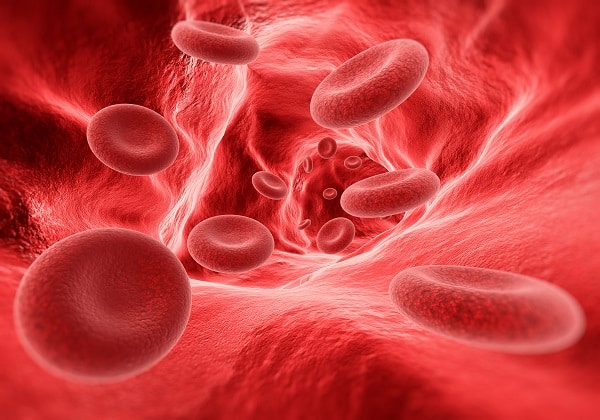
Potassium plays an essential role in the human body. One of its primary functions is maintaining fluid balance. This element helps regulate the body’s fluid and the balance between cells and body fluids. Doing so aids in various physiological processes, including maintaining blood pressure and ensuring proper hydration.
Besides fluid balance, potassium is key to nerve signal transmission. It facilitates the passage of information between nerve cells, allowing the body to respond to stimuli effectively. Similarly, it aids muscle contraction, ensuring muscles respond correctly to nerve signals. It also supports heart function, regulating heartbeat and ensuring the heart contracts properly to pump blood throughout the body.
Potassium And Diet
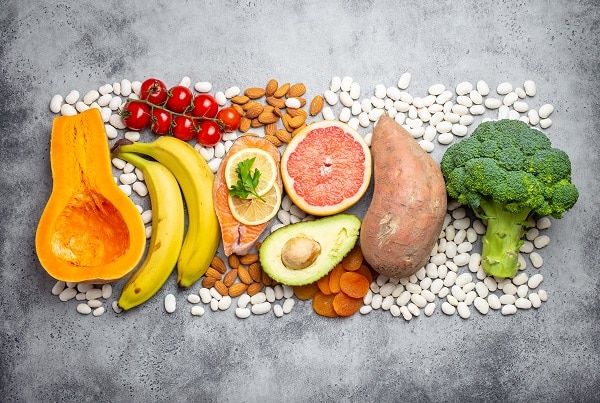
Dietary potassium intake is essential for maintaining adequate levels of this mineral. The human body cannot produce potassium alone, making diet the primary mineral source. Consuming a balanced diet that includes potassium-rich foods ensures that the body has a steady supply to carry out its various functions.
Among the foods high in potassium are fruits and vegetables such as bananas, oranges, potatoes, and spinach. These provide a significant amount of potassium and contain other essential vitamins and minerals. Additionally, meats, fish, and dairy products are good sources of potassium. Incorporating these foods into our daily diet ensures our bodies receive the potassium they need to function optimally.