Contents
Weakened Musculoskeletal Health
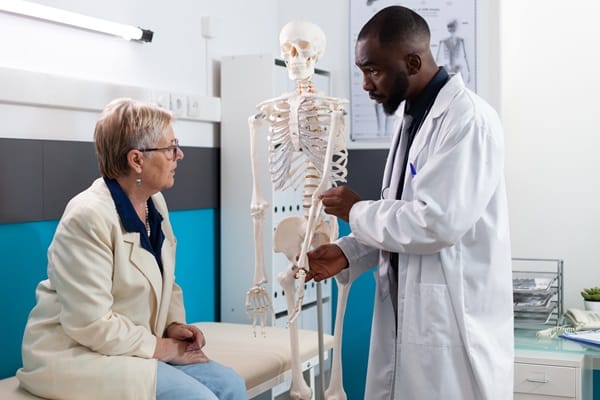
Lack of exercise can lead to significant deterioration in musculoskeletal health, impacting bones, muscles, and joints. When regular physical activity is not part of your routine, your bone density begins to decline, increasing the risk of osteoporosis and fractures. This is particularly important as you age, as stronger bones can help maintain independence by preventing injuries that could severely limit mobility.
In addition to weakening bones, inactivity can lead to muscle atrophy, where muscles gradually decrease in size and strength. This reduction in muscle mass not only affects physical strength and endurance but also compromises your metabolic health, as muscle tissue plays a crucial role in burning calories. Engaging in weight-bearing and resistance exercises can counteract these effects by strengthening bones and muscles, thereby preserving your health and functional abilities as you age.
Increased Risk of Chronic Diseases

Avoiding regular exercise significantly elevates the risk of several chronic diseases, such as type 2 diabetes, certain cancers, and even neurological disorders. Physical inactivity leads to poor blood sugar control, which can increase your chances of developing diabetes. Moreover, insufficient exercise can contribute to hormonal imbalances and inflammation, factors known to affect cancer risk. Regular physical activity helps to regulate hormones, reduce inflammation, and improve immune function, which collectively contribute to reducing the risk of chronic illnesses.
Furthermore, exercise plays a crucial role in maintaining a healthy body weight, which is directly linked to the risk of chronic diseases. Excess body weight is a known risk factor for many conditions, including cardiovascular disease and several types of cancer. By facilitating weight control, regular exercise helps minimize one’s risk profile for developing long-term health issues. Engaging in even moderate activity, such as a daily walk or routine gardening, can make a significant difference in preventing chronic diseases and promoting overall health.
Impact on Lifespan and Quality of Life
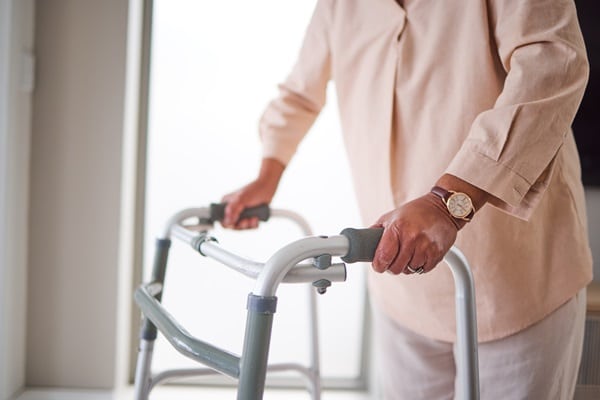
Regular exercise not only extends one’s lifespan but also enhances the quality of life by preserving physical independence and vitality. Studies consistently show that individuals who engage in regular physical activity live longer than their sedentary counterparts. More importantly, their extended years are often marked by better health and decreased incidence of disease, enabling them to enjoy more active and fulfilling lives well into old age. Thus, exercise is not just about adding years to life but life to years, making it an essential activity for healthy aging.
The benefits of exercise also extend to daily functional abilities, which are crucial for maintaining independence as one ages. Regular physical activity strengthens the muscles and joints, improves balance and coordination, and helps maintain flexibility, all of which are vital for performing everyday activities. By keeping physically active, individuals can reduce the risk of falls and other mobility-related injuries, ensuring that they can lead independent and active lives for longer. Consequently, regular exercise is a critical component of a proactive approach to aging healthily and with dignity.
Social and Psychological Consequences

The implications of skipping regular exercise extend beyond physical health, affecting social interactions and psychological well-being. Physical activities, especially those performed in groups, such as team sports or exercise classes, provide valuable opportunities for socializing and building connections. Missing out on these activities can lead to social isolation and decreased social skills, which are essential for mental health and well-being. Additionally, being part of a community or group provides emotional support, which can help mitigate feelings of loneliness and depression.
Moreover, regular participation in physical activities can significantly boost self-esteem and body image. When individuals skip exercise, they miss out on the physical benefits and psychological boosts that accompany improved fitness and body aesthetics. This lack of progress can lead to diminished self-esteem and negative self-perception, affecting one’s mental health and emotional stability. Engaging in regular physical activity helps foster a positive self-image and confidence, contributing to better mental health and a more satisfying life.
Embracing Activity for a Healthier Tomorrow
As you have explored the many risks associated with avoiding regular exercise, it’s clear that leading an active lifestyle is integral to maintaining overall health and well-being. From reducing the likelihood of chronic diseases to enhancing mental health and extending quality of life, the benefits of exercise are undeniable. Embrace physical activity as a daily priority, and you will safeguard your health, enrich your social life, and empower yourself with improved confidence and independence.