Skip to content

The Overlooked Dangers Of Overhydration

    Overhydration, or hyponatremia, is a less commonly discussed condition than its counterpart, dehydration, yet it carries significant health risks that warrant attention. This condition arises when the intake of water exceeds the kidneys’ capacity to excrete it, leading to a diluted concentration of sodium in the bloodstream. The ensuing discussion sheds light on the mechanics of overhydration, its symptoms, and the specific groups at higher risk. By delving into these aspects, the aim is to elevate awareness and understanding of overhydration and its potential impact on health.

    The Mechanics Of Overhydration

    Overhydration occurs when water intake overwhelms the body’s regulatory systems. Under normal circumstances, the kidneys filter excess water out of the bloodstream and excrete it as urine. However, when one consumes water beyond the kidneys’ processing ability, this balance is disrupted. Sodium, an essential electrolyte, becomes diluted, leading to an imbalance that affects cellular function. Cells begin to swell as water tries to equalize the sodium levels inside and outside of cell walls, which can lead to a range of health issues, particularly affecting the brain.

    The body’s fluid balance is a finely tuned mechanism that relies on various factors to function correctly. Hormones such as antidiuretic hormone (ADH) play a crucial role in this process, signaling the kidneys to retain water when hydration levels drop. In cases of overhydration, these signals can become confused, and the body may inappropriately retain water. This is why understanding the volume and pace of fluid intake in relation to one’s personal needs is critical for maintaining health.

    Recognizing The Signs
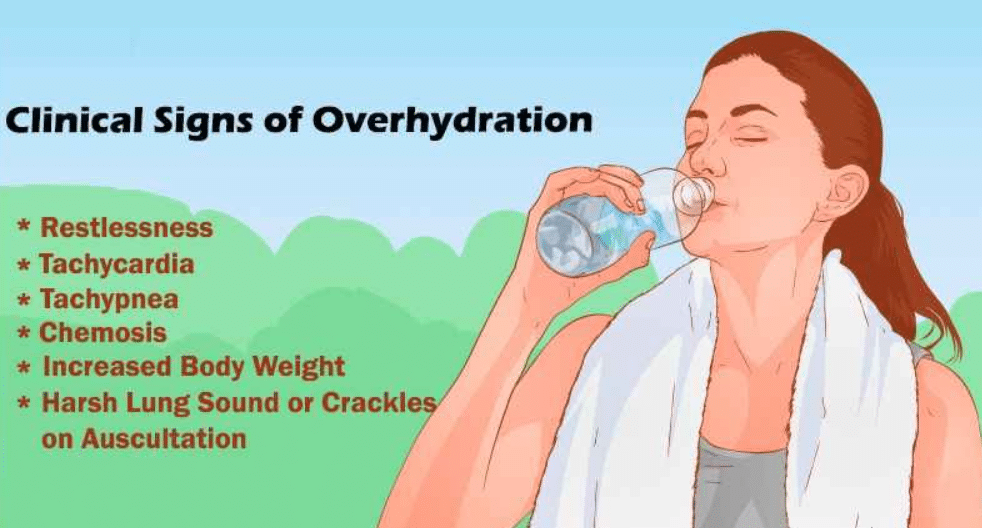
    The Overlooked Dangers Of Overhydration

    The symptoms of overhydration can be insidious and often mirror those of other conditions, making recognition challenging. Early signs include nausea, headache, and a feeling of disorientation or confusion. As the condition progresses, symptoms can escalate to muscle weakness, cramps, and extreme fatigue. These are signs that the body’s cells are beginning to swell with excess fluid, a state that can lead to serious health complications if not promptly addressed.

    In severe cases, overhydration can progress to cerebral edema, where the brain swells due to excessive fluid retention. This can increase intracranial pressure and lead to symptoms such as seizures and unconsciousness, and, in extreme situations, can be life-threatening. It is crucial for individuals to monitor their fluid intake and be aware of these symptoms, especially during activities that involve high levels of water consumption.

    Populations At Greater Risk

    The Overlooked Dangers Of Overhydration

    Certain individuals are more susceptible to overhydration, particularly endurance athletes who may consume large quantities of water to prevent dehydration during long-duration events. The belief that one cannot drink too much water can lead to overconsumption, which, coupled with the loss of sodium through sweat, sets the stage for hyponatremia. Additionally, people with medical conditions that affect kidney function or fluid regulation, such as heart disease, kidney disease, or liver problems, are also at increased risk.

    Medications that alter kidney function or fluid balance, such as diuretics, antiepileptics, and some antidepressants, can increase the risk of developing overhydration. Elderly individuals who may have a diminished sense of thirst and whose kidneys may not function as efficiently should also be cautious about their water intake. It is essential for these at-risk groups to consult with healthcare professionals to determine appropriate hydration strategies tailored to their specific needs.

    Overhydration And Athletic Endeavors

    The Overlooked Dangers Of Overhydration

    In the realm of sports and physical training, a culture of ‘more is better’ often prevails when it comes to hydration. This mindset, though well-intentioned to prevent dehydration, can inadvertently lead athletes down the path to overhydration. During endurance sports such as marathons, triathlons, or long cycling events, athletes are often advised to drink before they feel thirsty to preclude dehydration, which can contribute to excessive water consumption.

    Real-life cases of athletes suffering from overhydration underscore the need for a more nuanced approach to fluid intake. It’s not uncommon to hear of marathon runners or triathletes who have experienced symptoms of hyponatremia during or after an event. These instances highlight the critical need for education on the signs of overhydration and the development of individualized hydration plans that consider factors such as sweat rate, climate, exercise intensity, and duration.


    The Influence Of Psychology On Hydration

    The Overlooked Dangers Of Overhydration

    The psychological factors that drive individuals to drink more water than necessary are complex and multifaceted. Social beliefs and myths about hydration, often perpetuated by media and marketing campaigns, can lead to a ‘more is better’ mentality. This is compounded by the general advice to drink water even when not thirsty, which ignores the body’s natural mechanisms for signaling hydration needs. The psychological push to avoid dehydration at all costs can overshadow the body’s cues, leading to overconsumption of fluids. Additionally, the widespread availability and promotion of sports drinks and water bottles encourage constant sipping, further detaching individuals from their innate thirst signals.

    Marketing strategies often tout the benefits of excessive water intake, promising improved health, vitality, and even weight loss, which can mislead consumers. These messages rarely mention the risks of overhydration or the importance of tailoring water intake to individual needs. The psychological impact of these messages is significant, creating a culture where it’s common to carry a water bottle at all times and sip continuously throughout the day, regardless of actual thirst. Breaking free from these ingrained habits requires a conscious effort to relearn and trust the body’s natural thirst instincts and to critically evaluate the hydration advice that is so prevalent in today’s health and wellness landscape.

    Diagnosing Overhydration

    The Overlooked Dangers Of Overhydration

    Diagnosing overhydration involves a careful evaluation of both clinical symptoms and laboratory tests. Physicians look for signs such as altered mental status, consistent headaches, and instances of nausea or vomiting that may indicate an imbalance in fluid levels. Blood tests are crucial for measuring sodium concentration and assessing the osmolality of the blood, which can confirm the dilution of electrolytes. However, the nonspecific nature of overhydration symptoms often leads to misdiagnosis, as they can easily be attributed to a variety of other illnesses or conditions. This makes a thorough and detailed medical history and physical examination essential for accurate diagnosis.

    The challenges in diagnosing overhydration are not insignificant. Patients may not always provide a clear history of their fluid intake, and the symptoms can develop gradually, making it difficult to pinpoint the exact cause. In addition, healthcare providers must be vigilant in considering overhydration as a potential diagnosis, particularly in patients who are at higher risk, such as athletes or those with preexisting health conditions that affect fluid balance. Once diagnosed, the treatment for overhydration typically involves restricting fluid intake and addressing the underlying cause, which may require the expertise of a specialist.

    Addressing And Managing Overhydration

    The Overlooked Dangers Of Overhydration

    Once overhydration is identified, the immediate step is to reduce fluid intake to prevent further dilution of sodium levels. In mild cases, this may be sufficient to allow the kidneys to catch up and restore the balance of electrolytes. However, in more severe cases where there is significant swelling of cells, especially in the brain, medical intervention is necessary. This may include the administration of hypertonic saline solutions to carefully raise sodium levels in the blood. The management of overhydration must be done cautiously, as too rapid an increase in sodium can lead to additional complications.

    Long-term management for individuals at risk of overhydration involves education on proper hydration techniques and, in some cases, lifestyle adjustments. Monitoring fluid intake and output, understanding the signs of overhydration, and knowing when to seek medical help are all crucial components of managing this condition. For athletes, working with sports nutritionists or medical professionals to develop personalized hydration plans based on their specific needs can be beneficial. It is also essential for individuals on medications that affect fluid balance to have regular check-ups to monitor their hydration status.

    Strategies To Prevent Overhydration

    The Overlooked Dangers Of Overhydration

    Preventing overhydration is largely about striking a balance between sufficient hydration and overconsumption. Practical tips include drinking to thirst rather than adhering to a rigid schedule and being mindful of fluid intake during exercise or in hot weather. It’s also beneficial to consider the water content in foods, as many fruits and vegetables contribute to hydration. Personalized hydration plans that take into account individual factors such as body size, climate, exercise intensity, and sweat rate can help guide appropriate water consumption.

    Education plays a pivotal role in preventing overhydration. Understanding that the body’s thirst mechanism is a reliable indicator of hydration needs is fundamental. Individuals should also be aware of the signs of overhydration and the importance of adjusting fluid intake if they are experiencing symptoms. For those in high-risk groups, regular consultations with healthcare providers can ensure that hydration practices are safe and effective. Ultimately, listening to one’s body and responding to its natural cues is the most effective strategy for maintaining proper hydration.

    Embrace Balanced Hydration

    In understanding the delicate equilibrium between dehydration and overhydration, it is clear that awareness and moderation are key. By tuning into the body’s natural signals and respecting its limits, one can navigate the complexities of hydration. It is essential to share this knowledge, fostering a community that is as vigilant about the risks of overhydration as it is about dehydration. Take action by educating others on the importance of balanced hydration and the subtle signs your body offers to guide you.