
Silent Symptoms to Watch For

Despite its severity, high cholesterol itself does not cause any direct symptoms, which is why it’s often termed a “silent” condition. Many people discover their high cholesterol levels incidentally during routine health screenings. However, indirect signs can sometimes suggest underlying cholesterol issues, such as the presence of xanthomas, which are fatty deposits under the skin, or a grayish ring around the cornea of the eye in older adults.
Regular screening is essential, as it is the only way to accurately diagnose high cholesterol before it leads to more severe complications. Adults should have their cholesterol levels checked at least once every four to six years, as recommended by healthcare professionals. Those with a family history of high cholesterol or other risk factors may need more frequent screenings. Early detection coupled with immediate action can significantly reduce the risks associated with this silent but dangerous condition.
Diet and High Cholesterol

The relationship between diet and cholesterol is profound, as certain foods can significantly influence lipid profiles. Foods high in saturated fats, such as fatty cuts of meat and full-fat dairy products, can increase levels of LDL cholesterol, exacerbating the risk of cardiovascular diseases. Conversely, trans fats, often found in fried foods and commercial baked goods, not only raise LDL cholesterol but also lower beneficial HDL cholesterol, creating a double jeopardy for heart health.
To combat high cholesterol, incorporating cholesterol-lowering foods into one’s diet is essential. Foods rich in omega-3 fatty acids, such as salmon and flaxseeds, can reduce triglyceride levels and increase HDL cholesterol. Additionally, fiber-rich foods like oats, beans, and whole grains can help reduce the absorption of cholesterol in the bloodstream. Adopting a diet centered around fruits, vegetables, lean proteins, and whole grains can lead to substantial improvements in cholesterol levels and overall heart health.
Lifestyle Changes for Managing Cholesterol

Adopting healthy lifestyle changes is key to managing cholesterol levels effectively. Regular physical activity can help raise HDL cholesterol while lowering LDL cholesterol and triglycerides. Experts recommend at least 150 minutes of moderate aerobic exercise or 75 minutes of vigorous activity per week, supplemented by muscle-strengthening activities on two or more days per week. Such exercises improve cholesterol levels, enhance overall cardiovascular health, and help maintain weight control.
In addition to exercise, quitting smoking and limiting alcohol intake are crucial for reducing heart disease risk. Smoking cessation results in an increase in HDL cholesterol, often within a few weeks, and reduces the risk of heart attacks and strokes. Similarly, moderate alcohol consumption can have some benefits for heart health, but excessive drinking can lead to negative health outcomes, including higher cholesterol levels. Managing stress through techniques such as meditation, yoga, or counseling can also positively affect cholesterol levels and support cardiovascular health.
Medical Interventions and Treatments
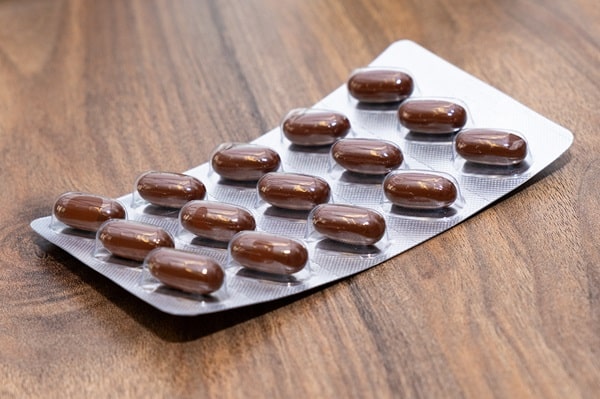
When lifestyle changes are not enough to manage cholesterol effectively, medical interventions may be necessary. Statins are the most commonly prescribed medication for lowering cholesterol, as they work by inhibiting the enzyme involved in cholesterol production in the liver. These medications are highly effective in reducing the risk of heart attacks and strokes but come with potential side effects like muscle pain, digestive problems, and increased liver enzymes, which must be monitored by a healthcare provider.
Besides statins, other medications like bile acid sequestrants, cholesterol absorption inhibitors, and injectable medications that help the liver absorb more LDL cholesterol can also be prescribed based on individual needs and health conditions. For some patients, especially those with genetic conditions leading to very high cholesterol levels, advanced treatments such as LDL apheresis or gene therapy may be considered. These treatments highlight the importance of a tailored approach to cholesterol management, emphasizing the need for regular medical supervision.
A Stronger Heart Starts Here
To safeguard your heart and enhance overall health, it’s essential to be proactive about managing cholesterol. This discussion underscores the importance of lifestyle choices, dietary adjustments, and potential medical interventions. Regular check-ups enable tailored strategies to effectively manage cholesterol levels. By prioritizing heart health through informed decisions and consistent actions, you can significantly reduce the risk of cardiovascular diseases and improve your quality of life.