Joint pain doesn’t always come from an old injury or aging alone; it often starts with the foods you eat every day. Many everyday foods can quietly fuel inflammation, wear down cartilage, and intensify joint stiffness over time. While occasional soreness might seem harmless, a poor diet can lead to more serious, chronic joint problems. Understanding how food affects joint health is essential, especially for those dealing with arthritis or unexplained pain. Certain ingredients sneak into meals without much thought, yet they can wreak havoc on your joints. The good news is that once you identify these problem foods, you can start making simple swaps that protect your joints for the long haul.
Sugary Sweets

Sugar is one of the most inflammatory ingredients in the modern diet, and it’s especially harsh on your joints. When you consume excess sugar, your body creates substances called advanced glycation end products (AGEs), which attack collagen—the protein that cushions your joints. This process leads to joint stiffness and discomfort, particularly in those with arthritis. Over time, a high-sugar diet can significantly worsen chronic joint conditions without any outward warning.
Sodas, pastries, and even some yogurts are packed with added sugars that spike insulin levels and fuel widespread inflammation. These blood sugar spikes can directly trigger joint flare-ups, especially in the knees and fingers. Cutting down on sugar often results in noticeable relief for people dealing with long-term joint issues. Reducing sugar isn’t just about skipping desserts—it’s about limiting hidden sugars in everyday foods.
Processed and Red Meats
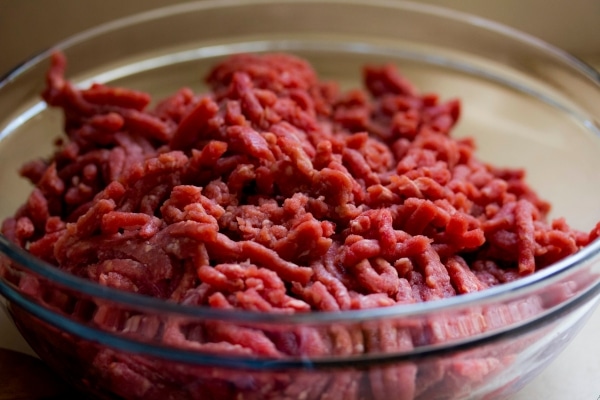
Processed meats like sausages, bacon, and cold cuts contain chemicals and preservatives that increase inflammation throughout the body. These additives, including nitrates and nitrites, can aggravate existing joint conditions and make recovery from injuries slower. Red meats, especially in large portions, are high in saturated fat, which also contributes to inflammatory responses. Over time, this can accelerate the breakdown of cartilage and make joints feel stiff and swollen.
Studies have shown that individuals who consume more processed or red meat tend to have higher levels of inflammatory markers in their blood. This link between meat and inflammation is particularly relevant for people struggling with arthritis or joint pain. Swapping out processed meats for leaner, plant-based protein can help reduce joint discomfort. Small dietary changes can make a noticeable difference in daily movement and long-term joint health.
Refined Carbohydrates

White bread, pasta, and pastries may be comforting, but they come at a cost to your joints. These refined carbohydrates are stripped of nutrients and fiber, which means they rapidly break down into sugar and spike blood glucose levels. This sudden rise in blood sugar encourages the release of pro-inflammatory compounds. Over time, these compounds wear down joint tissues and contribute to chronic pain and stiffness.
In addition to inflammation, refined carbs are linked to weight gain, which places extra stress on joints—particularly in the knees and hips. Heavier weight adds pressure that can accelerate cartilage breakdown and make everyday movements more painful. Choosing whole grains instead of processed carbs can reduce both inflammation and joint strain. Replacing white rice with quinoa or switching from white bread to sprouted grain options can be a simple first step.