Contents
- 1 Noise Pollution
- 2 Tips For Minimizing The Impact Of Technology On Sleep
- 3 Limit Screen Time One Hour Before Bed
- 4 Invest In Blue Light Blocking Glasses
- 5 Utilize Do Not Disturb Mode
- 6 Keep Devices Out Of Your Bedroom
- 7 Take A Digital Detox When Necessary
- 8 Be Aware Of The Relationship Between Technology And Sleep!
Noise Pollution

An often overlooked element of technology is the escalating noise pollution that has the potential to wreak havoc on your sleep patterns. Numerous studies have highlighted how various gadgets’ constant barrage of notifications, alarms, and background hum can significantly disrupt your slumber. As a human being, you are biologically tuned to respond to sounds to protect yourself from potential threats. However, this innate response can also inadvertently lead to persistent interruptions of your sleep cycles in noise-polluted environments.
The ramifications of inadequate rest are well-documented and can range from reduced cognitive abilities and weakened immune systems to more long-term effects like chronic fatigue and mental health issues. So, it is paramount that you recognize and mitigate technological noise pollution in your life to ensure you attain the sound and rejuvenating sleep your body craves.
Tips For Minimizing The Impact Of Technology On Sleep
With technology playing such a significant role today, it can be difficult to disentangle yourself from its influence. But there are a few simple steps you can take to restore harmony between your devices and your sleeping patterns.
Limit Screen Time One Hour Before Bed
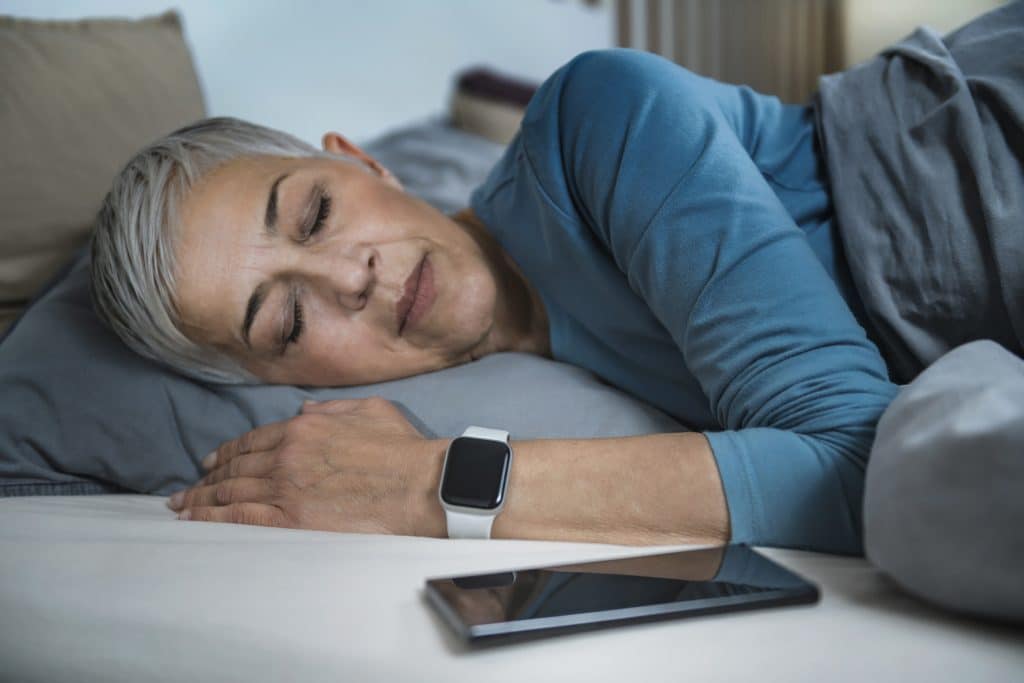
To mitigate the effect of technology and improve sleep quality, limiting screens one hour before bedtime is essential. This includes smartphones, computers, TVs, and even tablets. As you wind down for the night, resist the impulse to check your notifications or scroll through your newsfeed. Instead, opt for low-energy activities such as reading or listening to relaxing music to ensure a peaceful sleep.
Invest In Blue Light Blocking Glasses

Another effective way to reduce the impact of technology on your sleep is by investing in blue light-blocking glasses. These special glasses filter out the harmful blue light wavelength emitted from electronic screens, ultimately reducing eye strain and allowing you to use digital devices late into the night without disturbing your natural circadian rhythm.
Utilize Do Not Disturb Mode

Do not disturb mode is a feature available on most modern devices that allows you to block notifications, calls, and messages during specific times. This can be an invaluable asset in controlling the noise pollution in your environment. With this tool in your arsenal, you can rest assured knowing that essential events or emergencies will only awaken you.
Keep Devices Out Of Your Bedroom

It is common for people to keep their devices within arm’s reach of their sleeping spot. However, this arrangement can be detrimental to your health, as it encourages you to subconsciously stay up late to take advantage of the extra time with your devices. Therefore, you must keep your bedroom free from distracting gadgets or screens and create a tranquil environment promoting restful sleep.
Take A Digital Detox When Necessary

Finally, when all else fails, consider taking a digital detox. This will involve limiting your exposure to technology and electronics for a determined period to help reset your body’s natural rhythm. By consciously disconnecting from the online world, you can create better habits around technology and sleep and ultimately improve your overall well-being.
Be Aware Of The Relationship Between Technology And Sleep!
All too often, technology and sleep are seen as mutually exclusive concepts. However, with a few simple changes to your habits and environment, you can regain control of your sleep cycles and reduce the impact of technology on your well-being. With the right strategies in place, it is possible to enjoy restful nights and use the many advantages technology offers without sacrificing the quality of sleep. Which in turn can lead to improved overall health and well-being.