Wrist And Finger Stretches
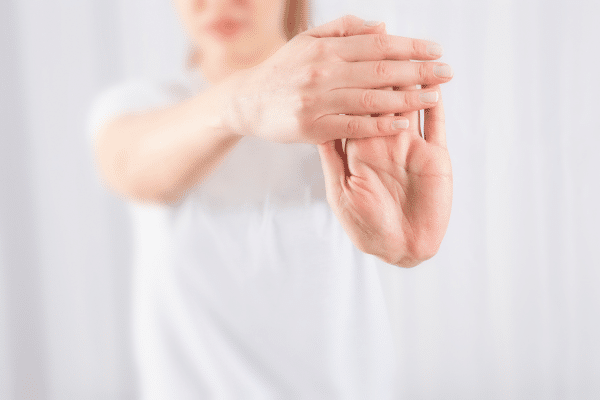
Wrist and finger stretches are essential for those who do extensive typing or computer work. Stretching the wrists and fingers helps prevent stiffness and reduces the risk of repetitive strain injuries, such as carpal tunnel syndrome. One simple stretch involves extending the arm forward with the palm facing up, then gently pulling the fingers back towards the body with the other hand. This stretch should be felt along the underside of the forearm and wrist.
Regular practice of wrist and finger stretches is crucial in maintaining flexibility and preventing strain. As repetitive motions like typing are common for desk workers, these stretches offer an effective way to counteract potential harm. By dedicating a few minutes each day to these stretches, one can ensure better wrist and hand health, which is essential for productivity and comfort in any desk-based occupation.
Chest Stretch

The chest stretch is beneficial for those who tend to hunch over a desk, as it opens up the chest and improves breathing. To perform this stretch, stand or sit upright and clasp the hands behind the back. Gently lift the arms, feeling the stretch across the chest. This stretch not only alleviates tightness in the chest muscles but also promotes better posture by counteracting the forward hunch often developed from desk work.
Practicing the chest stretch regularly can significantly improve upper body flexibility and reduce tension. This stretch is particularly important for maintaining a healthy posture and ensuring proper lung function, as a tight chest can restrict breathing. By incorporating this stretch into the daily routine, one can enjoy improved posture, reduced tension, and enhanced overall well-being.
Hip Flexor Stretch

The hip flexor stretch is crucial for those who sit for prolonged periods, as it helps in reducing tightness in the hips. To perform this stretch, step one foot forward and bend the knee, keeping the other leg straight behind, and gently push the hips forward. This stretch targets the hip flexors, which can become tight and contribute to lower back pain when one sits for extended periods.
Regularly performing the hip flexor stretch can greatly enhance lower body mobility and reduce discomfort in the hips and lower back. It’s an effective way to counter the effects of sitting, such as hip stiffness and reduced range of motion. By incorporating this stretch into a daily routine, one can maintain better hip flexibility and overall physical health.
The Bottom Line
Stretching is a vital, yet often overlooked, aspect of maintaining health and wellness, especially for those who spend most of their day at a desk. The stretches outlined here target key areas affected by prolonged sitting, such as the back, neck, shoulders, legs, wrists, and hips. Incorporating these simple, yet effective stretches into a daily routine can greatly enhance flexibility, reduce muscle tension, and improve overall well-being. It’s a small investment of time that can yield significant long-term benefits for both physical and mental health.