Sodium is a critical element in our diet, contributing to several essential physiological processes, including nerve function, muscle contraction, and maintenance of fluid balance. Despite its importance, overconsumption can lead to serious health problems, making it crucial to understand its role in our bodies and diets. This article demystifies the complexities of sodium intake, its health benefits, risks of excess consumption, and strategies for achieving a balanced sodium intake. As you navigate this journey of sodium knowledge, you’ll find valuable insights on maintaining a healthy lifestyle and mitigating potential health risks.
Understanding Sodium
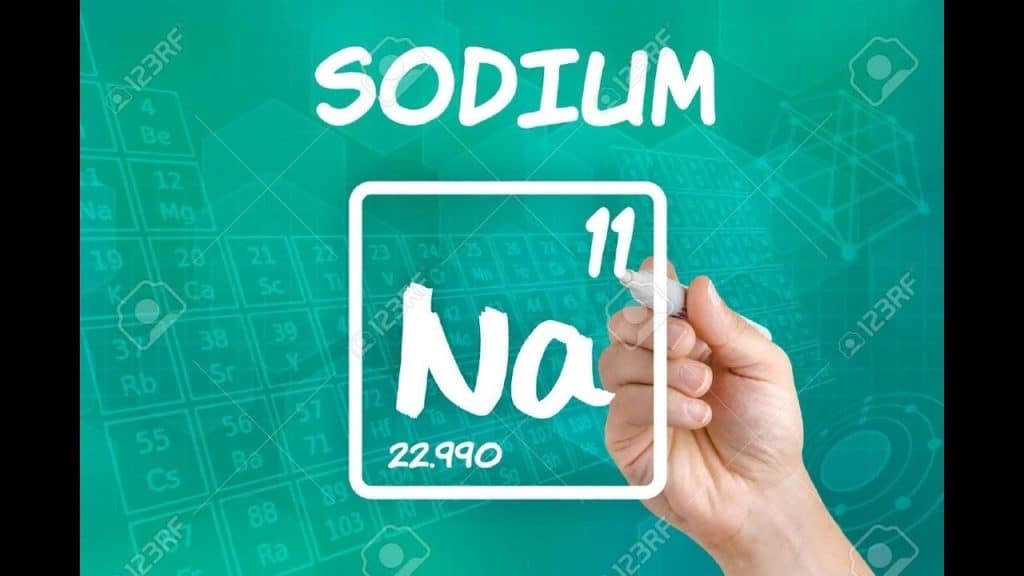
Sodium is a chemical element represented as Na on the periodic table. Naturally occurring in many foods, sodium is an essential mineral that our bodies cannot produce on their own. While most people are familiar with its presence in table salt (sodium chloride), it’s also present in various fruits, vegetables, meats, and dairy products, albeit in much smaller amounts. The presence of sodium in our daily meals isn’t accidental, but a necessity due to its role in critical bodily functions.
Despite the natural occurrence of sodium in various food items, our primary source of this mineral is dietary salt, either added during cooking, in processed foods, or at the table. High sodium foods are not limited to savory snacks or fast foods. Items like bread, canned soups, and cheese can also contain substantial amounts. Understanding the sources of sodium in our diet is the first step towards achieving a balanced sodium intake.
Sodium in Our Daily Diet

The daily sodium intake varies widely among individuals and populations, mostly due to differences in dietary habits and food availability. However, it is observed that most adults in Western countries consume more sodium than recommended. This is largely due to the high sodium content in processed foods and meals eaten at restaurants, which can be alarmingly high compared to home-cooked meals.
One of the surprising facts about our daily sodium intake is its invisibility. Many food items that don’t taste particularly salty, like pastries or cereals, can still have high sodium content. This is because sodium is often used in food processing not just for flavor, but also for preservation and texture purposes. As a result, individuals often consume more sodium than they realize, underscoring the need for better awareness and control over one’s dietary sodium intake.
The Physiological Role of Sodium
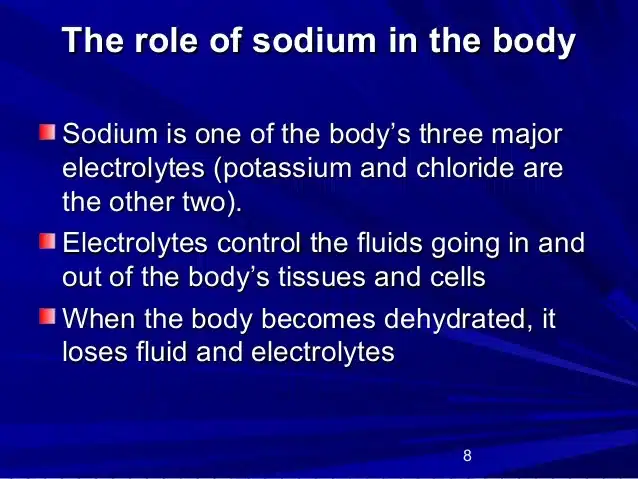
Sodium is vital for the proper functioning of our bodies. It helps to maintain normal fluid balance, supporting the function of nerves and muscles. In the nervous system, sodium ions generate the electrical signals that drive nerve impulse transmissions, critical for everything from moving muscles to thinking thoughts.
Furthermore, sodium plays an important role in regulating blood pressure and volume. It helps to control the body’s fluid volume and the movement of fluids across cell membranes. In combination with other electrolytes like potassium, sodium also helps to regulate the body’s acid-base balance. Despite its essential roles, a balance needs to be struck. Too little can impair bodily function, but too much can lead to health problems, a topic we will delve into in the next sections.
Health Benefits of Adequate Sodium Intake
Sodium, when consumed within recommended guidelines, offers several health benefits. One of its most significant roles is preventing hyponatremia, a state of unusually low sodium concentration in the blood. Symptoms can range from mild to severe, including headache, nausea, fatigue, confusion, seizures, and in extreme cases, coma or even death. Thus, consuming adequate sodium is vital for maintaining normal blood sodium levels.
Besides preventing hyponatremia, adequate sodium intake supports normal nerve and muscle function, as discussed earlier. Sodium helps muscles contract and relax properly, and transmits nerve impulses. It also contributes to the maintenance of normal blood pressure. For these reasons, ensuring an appropriate sodium intake is important for our overall health and well-being.
Risks of Excessive Sodium Consumption

However, the line between adequate and excessive sodium intake can be thin, and crossing it brings potential health risks. Primary among these is an increased risk of hypertension, or high blood pressure. Numerous studies have found a strong correlation between high sodium intake and hypertension, a significant risk factor for heart disease and stroke, leading causes of death worldwide.
Excessive sodium can also pose risks to kidney health. High sodium intake can make the kidneys work harder to excrete the excess salt, potentially leading to kidney damage over time. Moreover, excessive sodium can lead to calcium excretion in the urine, which might increase the risk of developing kidney stones. Additionally, some research suggests a link between high sodium intake and bone health, potentially contributing to osteoporosis, as the calcium loss might be drawn from our bones.