Contents
Mindfulness And Meditation

Mindfulness and meditation are powerful practices for managing negative thoughts and emotions. These techniques involve focusing on the present moment and observing thoughts and feelings without judgment. This practice helps in detaching from negative thought patterns, providing a sense of calm and clarity. Mindfulness encourages an attitude of acceptance, reducing the impact of stress and anxiety. It can be practiced in various forms, from guided meditations to simple breathing exercises.
Starting a mindfulness practice can be as simple as dedicating a few minutes each day to quiet reflection. Beginners can benefit from guided sessions available through apps or online platforms. The key is regularity and patience, as the benefits of mindfulness accumulate over time. Incorporating mindfulness into daily routines can lead to greater emotional balance and a more harmonious approach to life’s challenges.
Engaging In Creative Activities

Creative activities offer a therapeutic escape from negative thoughts. Whether it’s painting, playing music, or any form of artistic expression, these activities allow for emotional release and self-exploration. They provide a break from routine, creating a space where one can express feelings in a non-verbal, imaginative way. This process can lead to a deeper understanding of oneself and a sense of personal achievement.
Incorporating creativity into daily life doesn’t require exceptional talent or expertise. It’s about finding joy in the process rather than focusing on the end result. Simple activities like doodling, journaling, or crafting can be a starting point. Setting aside regular time for these pursuits can transform them into a valuable tool for emotional well-being. Creative expression can become a sanctuary, offering a unique way to reconnect with oneself and reduce the impact of negativity.
Positive Affirmations And Visualization
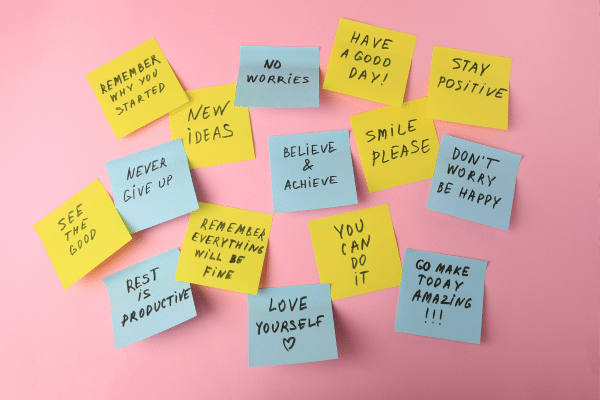
Positive affirmations and visualization are techniques that can reshape negative thought patterns. Affirmations are positive, empowering statements that, when repeated regularly, can change the way one thinks and feels. Visualization involves creating mental images of desired outcomes, providing a motivational and emotional boost. These practices reinforce a positive self-image and outlook, helping to break the cycle of negative thoughts.
To effectively use affirmations, one should choose statements that resonate personally and reflect realistic, achievable goals. Repeating these affirmations daily, especially during moments of doubt or stress, reinforces positive beliefs. Similarly, visualization should be practiced regularly, imagining success in various aspects of life. This mental rehearsal can build confidence and a sense of preparedness for facing challenges.
Seeking Professional Help

Seeking professional help is a crucial step when self-management strategies are not sufficient. Mental health professionals offer specialized support and guidance in dealing with negativity. Therapy provides a safe and confidential space to explore feelings and thoughts, offering new perspectives and coping strategies. Therapists can help identify underlying issues contributing to negativity, facilitating a deeper understanding and more effective management.
Finding the right mental health professional is important. It may involve researching different therapy approaches or getting recommendations from trusted sources. Overcoming the stigma associated with seeking therapy is also vital; it’s a sign of strength and self-awareness. Professional help can be a turning point, offering tools and support necessary for lasting positive change.
The Bottom Line
In conclusion, managing negativity involves a combination of self-awareness, proactive strategies, and support. Each of these methods, from journaling to seeking professional help, offers a unique approach to handling negative thoughts and emotions. The journey towards a more positive mindset is personal and varies from person to person. Consistency, patience, and commitment to self-care are key. By embracing these strategies, one can foster resilience, improve mental well-being, and navigate life’s challenges with a more balanced and optimistic outlook.