
Common Areas to Watch Closely
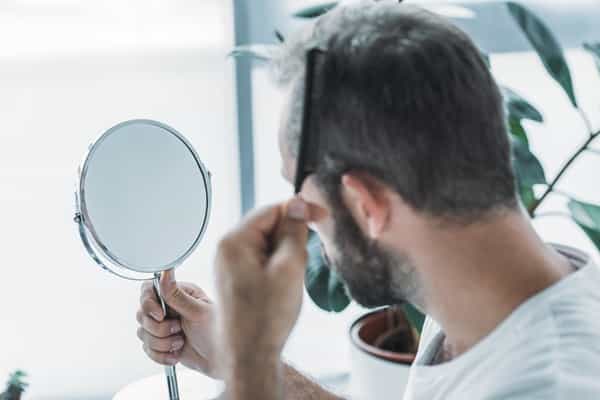
In your self-examination, pay special attention to areas of the body that are easy to overlook but are still vulnerable to skin cancer. These include the scalp, between the toes, under nails, and even the genital area. The scalp can be particularly tricky, so using a blow dryer to move hair and improve visibility can be effective. Don’t forget the soles of your feet, behind the knees, and the back — areas not often exposed to the sun but still at risk.
The skin under the nails, both on fingers and toes, can also develop melanoma, known as acral lentiginous melanoma. Even for individuals with darker skin tones, who might have a lower risk of sun-induced melanoma, these areas can be vulnerable. Regularly inspecting these spots increases the chance of catching any unusual changes early. Remember, skin cancer doesn’t discriminate by location — it can occur anywhere on the body.
When to Seek Professional Help
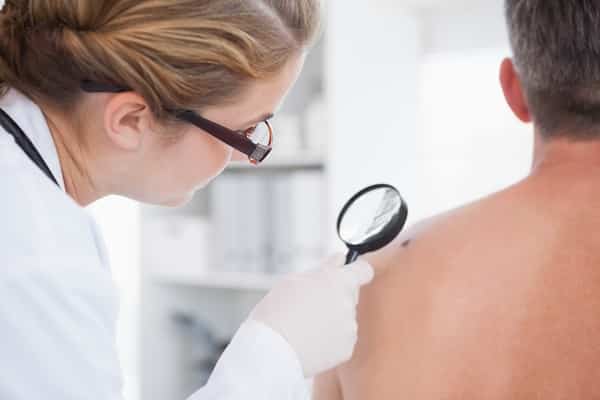
Knowing when to seek professional help is crucial. If you notice any new, unusual, or changing spots on your skin, it’s time to consult a healthcare professional. This includes any mole or patch that doesn’t heal, bleeds, itches, or changes in any noticeable way. Be particularly vigilant about spots that have changed in size, shape, color, or sensation. A dermatologist can provide a thorough skin examination and, if necessary, discuss further steps.
It’s also important to consider a professional evaluation if you have a high number of moles, a history of frequent sunburns, or a family history of skin cancer. Regular dermatological check-ups can complement your self-examinations, providing an expert perspective on any concerning areas. Early professional intervention can make a significant difference in treatment outcomes, making regular visits a key component of your skin health strategy.
Understanding Your Results

After conducting a self-exam, understanding what you’ve found is the next step. If you’ve noticed new or changing spots on your skin, it’s important to document these changes with photos and detailed notes. Comparing these observations over time can help you identify any trends or sudden changes that might require professional attention. Keep a personal health record, including a body map to note the location and appearance of moles and other skin features.
If you find something concerning, don’t panic. Not every change means cancer, but it does warrant attention. Schedule an appointment with a healthcare professional for an evaluation. It’s always better to be proactive and get a professional opinion. Remember, early detection is key in treating skin cancer successfully, so understanding and acting on your findings is an essential part of self-care.
Prevention and Protection

Preventing skin cancer is just as important as detecting it early. One of the most effective ways to protect yourself is to minimize sun exposure, especially during peak sunlight hours. Use a broad-spectrum sunscreen with an SPF of 30 or higher daily, even on cloudy days or indoors near windows. Wearing protective clothing, including a wide-brimmed hat and UV-blocking sunglasses, can also significantly reduce your risk.
Beyond sun protection, avoiding tanning beds and being aware of your skin’s reaction to the sun are important. Understand your skin type and its vulnerabilities to tailor your protection strategy. Additionally, incorporate skin-friendly nutrients into your diet and stay hydrated to maintain healthy skin. Regularly check your environment and personal habits for potential risk factors and adjust accordingly. By adopting these protective measures, you’re taking a proactive stance in reducing your risk of skin cancer.
Safeguard Your Skin, Secure Your Health
Regular self-examination and awareness are your most vital tools in the early detection of skin cancer. By understanding the signs, knowing when to seek professional help, and adopting preventative measures, you can significantly reduce your risk. Don’t wait for symptoms to become severe; start your journey towards vigilant skin care today. Remember, your skin’s health is in your hands, and taking proactive steps now can make a profound difference for your future well-being.