Heart attacks remain a leading cause of mortality worldwide, striking individuals often unexpectedly and with severe consequences. While genetic factors play a role, the risk of experiencing a heart attack can be significantly reduced through lifestyle choices. This article delves into various risk mitigation strategies, offering a comprehensive guide to heart-healthy living. Emphasizing the importance of diet, exercise, and overall wellness, it aims to equip readers with knowledge and practical steps to safeguard their heart health, ultimately leading to a longer, healthier life.
Contents
Understanding Heart Attacks

Heart attacks occur when blood flow to a part of the heart is blocked, usually by a blood clot. This blockage can damage or destroy part of the heart muscle, leading to serious health complications. The risk factors for heart attacks include high blood pressure, high cholesterol, smoking, and diabetes, among others. Recognizing these risks is crucial in taking preventive measures. Despite the severity of heart attacks, many of the risk factors are within one’s control, highlighting the importance of lifestyle changes for prevention.
In addition to physical risk factors, socio-economic and emotional factors play a significant role. People under constant stress or those experiencing depression may have a higher risk of heart attacks. These factors often interplay with physical health, creating a complex web of risks that must be managed. It’s about managing physical health and ensuring mental well-being, underlining the holistic approach required in heart attack prevention.
Diet and Nutrition
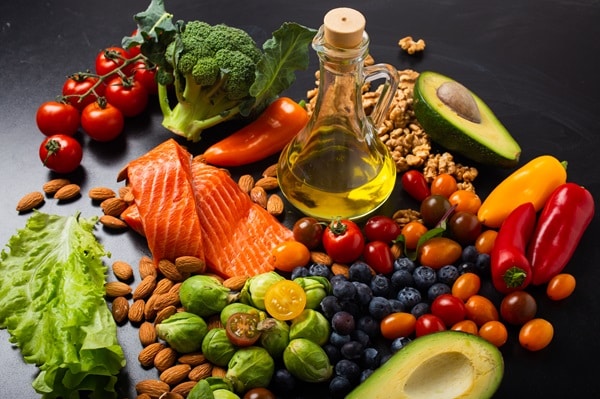
The impact of diet on heart health cannot be overstated. A diet high in saturated fats, trans fats, and cholesterol can contribute to the development of heart disease. Conversely, a heart-healthy diet rich in fruits, vegetables, whole grains, and lean proteins can significantly reduce the risk. Such a diet helps maintain a healthy weight and regulates blood pressure and cholesterol levels, both key factors in heart attack prevention.
Incorporating specific heart-friendly foods can further bolster heart health. Omega-3 fatty acids, found in fish like salmon and mackerel, have been shown to reduce the risk of arrhythmias and decrease triglyceride levels. Similarly, nuts, seeds, and legumes provide essential nutrients for heart health. It’s not just about avoiding harmful foods but also about embracing those that enhance heart health.
Physical Activity and Exercise

Regular physical activity is another cornerstone of heart health. Exercise strengthens the heart muscle, improves blood circulation, and helps control weight and cholesterol levels. Even moderate-intensity activities, such as brisk walking or cycling, can significantly benefit when done consistently. The American Heart Association recommends at least 150 minutes of moderate-intensity aerobic weekly exercise for adults.
The benefits of exercise extend beyond physical health, impacting mental well-being as well. Regular physical activity has been shown to reduce stress, anxiety, and depression, all of which are risk factors for heart attacks. It’s crucial to find an exercise routine that is enjoyable and sustainable, as the long-term commitment to physical activity is key in reducing heart attack risk.
Managing Body Weight

Maintaining a healthy body weight is integral to reducing heart attack risk. Obesity is a major risk factor for heart disease, as it is often associated with high blood pressure, high cholesterol, and diabetes. Achieving and maintaining a healthy weight involves a combination of diet, exercise, and lifestyle changes. It’s not about quick fixes but a sustainable approach to weight management.
Weight loss should be gradual and steady, focusing on long-term lifestyle changes rather than short-term diets. Small, consistent changes in eating habits and physical activity can lead to substantial and lasting weight loss. The goal is to find a balance that can be maintained over the long term, integrating healthy eating and regular physical activity into daily life.