Contents
Menopause Management

Navigating through menopause is a phase where a gynecologist’s expertise becomes especially valuable. Menopause can bring various challenges, including hot flashes, mood swings, and decreased bone density. A gynecologist can help manage these symptoms through hormonal therapy or other treatments tailored to each woman’s needs. They can also provide advice on how to maintain a healthy lifestyle during menopause, addressing concerns like osteoporosis and cardiovascular health. As menopause marks a significant change in a woman’s life, having a trusted gynecologist can make this transition smoother and healthier.
Sexual Health and Well-being
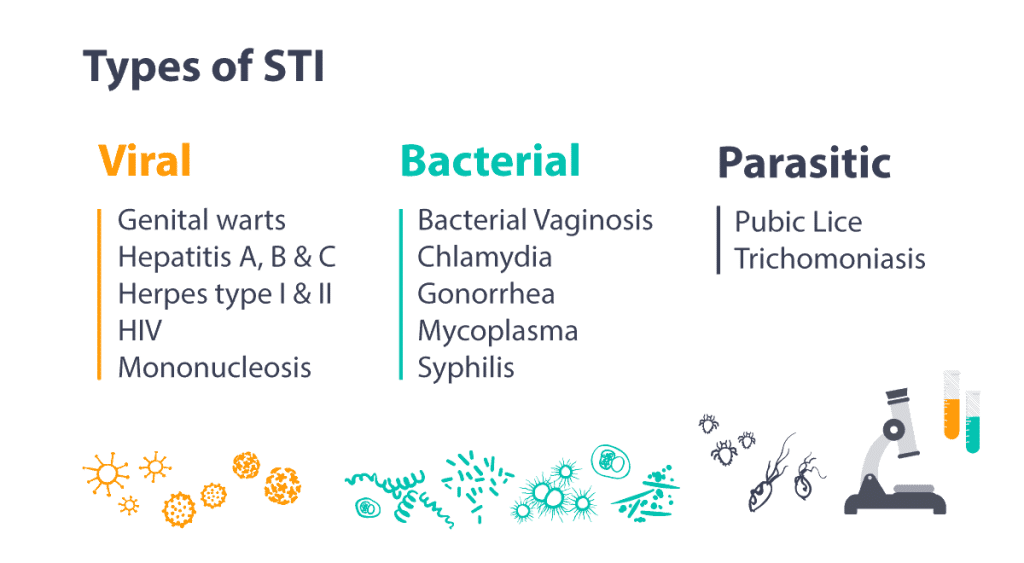
Discussing sexual health is a crucial part of gynecological care. Gynecologists provide a safe space for women to discuss concerns related to sexual health, including contraception, sexual dysfunction, or discomfort. They also play a vital role in the prevention and treatment of sexually transmitted infections (STIs). Regular check-ups and open conversations with a gynecologist can ensure that sexual health issues are addressed promptly and appropriately. Moreover, gynecologists can provide education on safe sex practices and help women make informed decisions about their sexual health.
Pregnancy and Postpartum Care

The role of a gynecologist is crucial during pregnancy and the postpartum period. They monitor the health of both the mother and the fetus during pregnancy, addressing any complications that may arise. Regular check-ups ensure the pregnancy is progressing well and help in the early detection and management of conditions like gestational diabetes or preeclampsia. Postpartum care is equally important as women navigate physical recovery and potential postpartum depression. A gynecologist provides essential support and medical care during this period, helping new mothers adjust to the changes in their bodies and address any health concerns that arise after childbirth.
Breast Health

Breast health is an important aspect of gynecological care. Regular breast exams and mammograms are key in the early detection of breast cancer, which can significantly increase the chances of successful treatment. Gynecologists often educate women on how to perform self-examinations, which can lead to early detection of lumps or other changes in breast tissue. They also guide women through the process of understanding mammography results and the next steps if any abnormalities are found. Maintaining breast health is a vital part of a woman’s overall health, and gynecologists play a significant role in ensuring this aspect is not overlooked.
A Woman’s Lifelong Journey
Maintaining gynecological health is a lifelong commitment that plays a pivotal role in a woman’s overall well-being. Regular visits to a gynecologist empower women to take charge of their health, from managing menstrual issues and fertility concerns to navigating menopause and ensuring breast health. These visits not only aid in early detection and treatment of potential health issues but also provide invaluable advice and support through various stages of life. Hence, prioritizing gynecological health is not just a medical necessity; it’s a step towards embracing a healthier, more informed life for every woman.