Vitamin D plays a critical role in overall health, from maintaining strong bones to supporting the immune system. However, deficiency in this crucial nutrient is surprisingly common, affecting numerous individuals worldwide. This blog post dives into understanding Vitamin D deficiency and shares ways to overcome it through lifestyle modifications. Keep reading to learn more information!
Contents
Understanding Vitamin D Deficiency

Vitamin D deficiency arises when the levels of Vitamin D in the body fall below what’s necessary for optimal health. It’s typically caused by inadequate sunlight exposure, insufficient dietary intake, or issues with absorption or conversion within the body. Certain groups, such as older adults, those with darker skin, and individuals with limited sun exposure, tend to be more susceptible to this deficiency.
Globally, Vitamin D deficiency remains a widespread issue, affecting individuals across all age groups and demographics. While often overlooked, it is important to address this deficiency due to the pivotal role Vitamin D plays in several body functions, from calcium absorption for bone health to immune response regulation.
Symptoms And Risks Of Vitamin D Deficiency
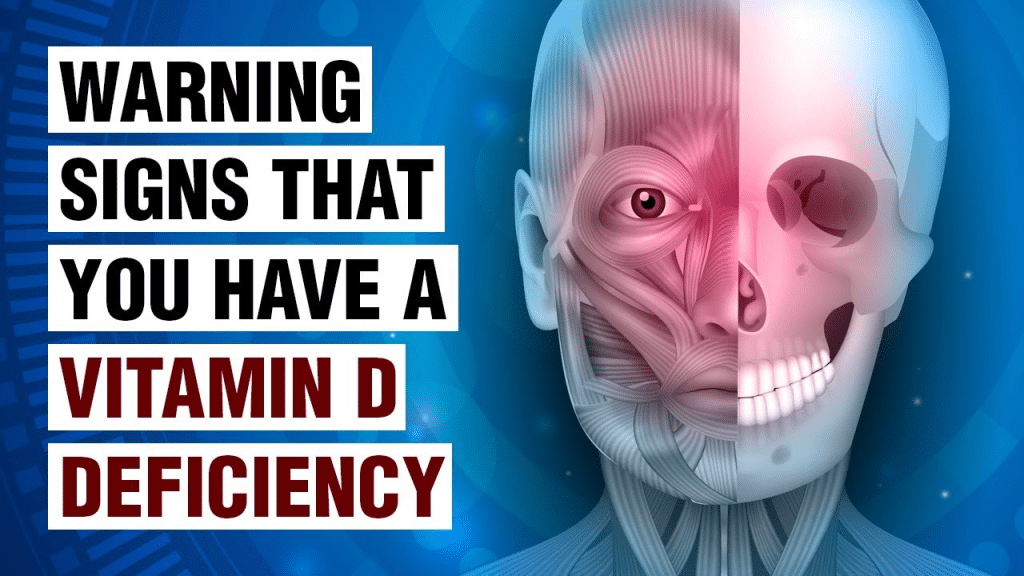
Vitamin D deficiency often goes unnoticed as its symptoms can be subtle and nonspecific. Common indicators include fatigue, mood swings, muscle weakness, and bone pain. Unfortunately, without adequate intervention, these symptoms may progress, significantly affecting the quality of life for individuals experiencing the deficiency.
If left untreated, prolonged Vitamin D deficiency can lead to serious health complications. These include osteoporosis, characterized by weak and brittle bones, and increased susceptibility to infections due to compromised immune function. It may also heighten the risk of cardiovascular diseases and certain types of cancer. Thus, it is crucial to identify and address Vitamin D deficiency promptly to prevent these potential risks.
Role Of Sun Exposure In Vitamin D Production

The body has an impressive ability to produce Vitamin D naturally when the skin is exposed to sunlight. The process starts when ultraviolet B (UVB) rays interact with the skin, triggering the synthesis of Vitamin D. While sun exposure is a major source of Vitamin D, factors like geographical location, time of the year, and time of the day significantly affect UVB availability.
However, it’s important to remember that while sunlight is necessary for Vitamin D production, overexposure carries risks, such as skin aging and skin cancer. Safety measures, like wearing sun-protective clothing and applying sunscreen, are essential when spending extended periods under the sun. Balancing between getting enough sunlight for Vitamin D production and protecting the skin from harmful UV rays is crucial.
Dietary Sources Of Vitamin D

Vitamin D can be obtained from a variety of dietary sources, offering a vital solution for those who may struggle to get enough sunlight exposure. Fatty fish such as salmon, mackerel, and tuna rank high in Vitamin D content. Other good sources include fortified foods like milk and cereal, cheese, and egg yolks. Incorporating these Vitamin D-rich foods into daily meals can help improve and maintain appropriate levels of this essential nutrient.
For vegetarians or vegans, getting enough Vitamin D from diet alone can be challenging due to the limited plant-based sources. However, certain types of mushrooms, fortified plant-based milks, and some types of orange juice can provide this nutrient. Planning and diversity in food choices are key in ensuring adequate intake of Vitamin D in these diets.
Vitamin D Supplementation

Supplementing with Vitamin D can be a practical strategy when sunlight exposure and dietary sources are insufficient to meet the body’s needs. The need for supplementation can be determined through a blood test and under the guidance of a healthcare professional. It’s important to note that while supplementation can be beneficial, exceeding the recommended dosage can lead to adverse effects, hence the need for professional oversight.
Various factors come into play when choosing the right supplement. These include the form of Vitamin D (D2 or D3), dosage, the presence of any allergies, and cost. It’s also advisable to consider supplements that contain both Vitamin D and calcium for better absorption and efficacy. Always remember, though, that supplementation should complement a balanced diet and not replace it.