Night Eating Syndrome (NES) is a prevalent and often misunderstood eating disorder that impacts the lives of many around the globe. This disorder not only alters eating patterns but also has far-reaching effects on physical and mental health, as well as one’s social life. The purpose of this blog post is to delve deeper into the causes, consequences, and possible cures for NES. By understanding this complex disorder, you can collectively work towards better treatment options and improve the quality of life for those affected.
Contents
Night Eating Syndrome: Causes
As with many disorders, Night Eating Syndrome arises due to a combination of factors. These include genetic predisposition, psychological elements, and hormonal imbalances. Each aspect plays a crucial role and contributes to the onset of NES.
Genetic Factors

Research has shown that genetics can influence the susceptibility to NES. Family history of eating disorders or NES itself can increase the risk of its onset in individuals. Studies suggest that specific genes might play a role in the regulation of eating habits, thereby influencing the development of NES. However, genetics alone cannot explain the complete picture, and it is often interplayed with environmental factors and individual experiences that lead to this condition.
Despite the existence of genetic predispositions, it’s crucial to understand that they don’t guarantee the development of NES. Instead, they signify an increased risk. This means environmental factors, lifestyle choices, and psychological factors can significantly influence whether a person with genetic susceptibility ends up developing NES or not.
Psychological Factors

The role of psychological factors in NES is evident, as stress, anxiety, and depression are commonly associated with this eating disorder. High levels of stress or anxiety can disrupt regular eating patterns, leading to overeating or eating at inappropriate times, such as late at night. Furthermore, individuals with NES often report higher levels of depressive symptoms, which could contribute to or be a consequence of NES.
It’s important to note that these mental health conditions and NES can perpetuate each other, forming a vicious cycle. The distress caused by NES can exacerbate anxiety or depressive symptoms, which in turn can worsen the NES symptoms. Hence, addressing these psychological factors is critical in managing and treating NES.
Hormonal Imbalances
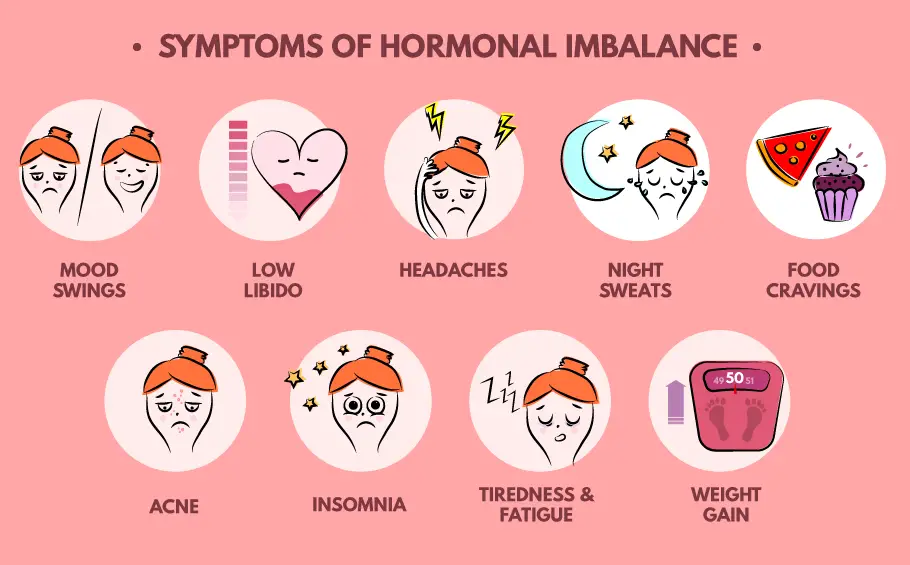
Hormonal imbalances, specifically those involving melatonin and leptin, can play a significant role in NES. Melatonin, known as the sleep hormone, follows a circadian rhythm. When this rhythm is disrupted, as seen in NES, it can affect sleep and eating patterns. Similarly, leptin, the hormone responsible for signaling satiety or fullness, can be disrupted in people with NES, leading to increased food intake.
These hormonal imbalances not only contribute to the onset of NES but can also exacerbate the condition if not properly managed. Correcting these imbalances through lifestyle changes or medical interventions can significantly improve NES symptoms and overall quality of life.
Night Eating Syndrome: Consequences
The impacts of NES go beyond irregular eating habits, leading to physical health implications, mental health issues, and adverse effects on an individual’s social life and lifestyle.