Contents
Turmeric (Curcumin)

Turmeric is a bright yellow spice commonly used in cooking but has medicinal properties. The active component, curcumin, has been found to have strong anti-inflammatory effects. It inhibits the activity of inflammatory enzymes and cytokines, which are proteins that promote inflammation.
Incorporating turmeric into one’s diet can be as simple as adding the spice to foods or making a turmeric tea. Turmeric supplements are also available for those who prefer a more concentrated form. The recommended curcumin dosage varies, but 500 to 2,000 mg of curcumin per day is generally considered safe and effective.
Glucosamine and Chondroitin
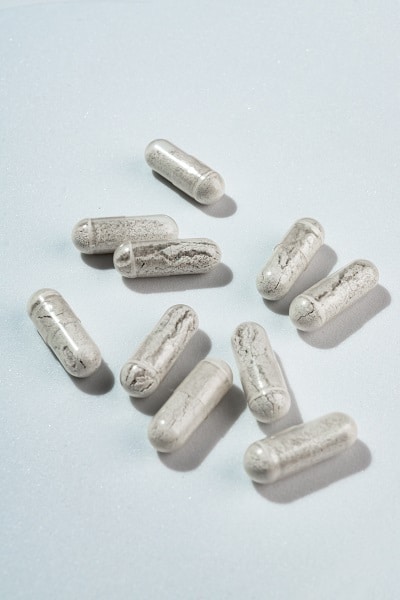
Glucosamine and chondroitin are natural compounds found in and around cartilage cells. They have been widely studied for their potential to help rebuild cartilage and reduce pain associated with arthritis. These supplements are often combined and commonly found in joint health supplements.
The recommended dosage for these supplements can vary, but a common dosage is around 1,500 mg of glucosamine and 1,200 mg of chondroitin per day, usually divided into three doses. It’s essential to note that while these supplements are generally well-tolerated, they can interact with certain medications like blood thinners. Therefore, consultation with a healthcare provider is advised.
Vitamin D

Vitamin D plays a crucial role in bone health, and a deficiency in this vitamin can exacerbate symptoms of arthritis. It helps the body absorb calcium, which is essential for bone strength. Some studies suggest that adequate Vitamin D levels can also help regulate immune function, potentially reducing symptoms of autoimmune forms of arthritis.
Vitamin D can be obtained through sunlight exposure, diet, and supplements. The recommended dietary allowance (RDA) for Vitamin D varies by age, but it’s around 600 to 800 IU per day for most adults. Supplements are a convenient way to ensure adequate intake, especially for those in less sunny climates.
Ginger Extract
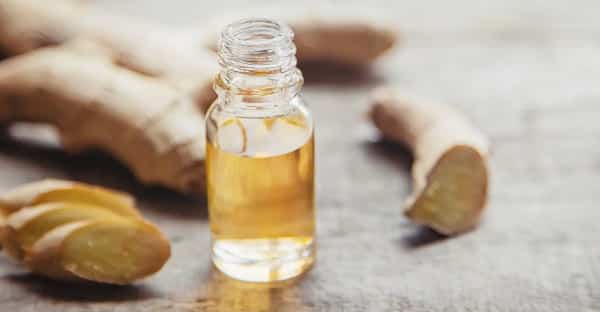
Ginger has been used for centuries in traditional medicine for its anti-inflammatory and analgesic effects. The active components in ginger, known as gingerols, have been found to inhibit the production of inflammatory compounds, making it a natural choice for treating arthritis symptoms.
Ginger can be consumed in various forms, including fresh, dried, or as an extract. Ginger supplements are also available for those looking for a more concentrated form. The recommended dosage can vary, but 100 to 200 mg of ginger extract per day is generally considered effective for reducing inflammation.
Green Tea Extract

Green tea is rich in antioxidants known as polyphenols, which have been shown to have anti-inflammatory properties. Specifically, the antioxidant epigallocatechin gallate (EGCG) has been found to inhibit the production of molecules that contribute to inflammation and joint damage in people with rheumatoid arthritis.
Green tea can be consumed as a beverage or taken as a supplement. The recommended dosage for green tea extract is around 250 to 500 mg daily. As with any supplement, you must consult a healthcare provider for personalized advice, especially if you take other medications or have other health conditions.
The Bottom Line
Arthritis pain can be debilitating, but various natural supplements offer a ray of hope for relief. From Omega-3 fatty acids to green tea extract, these supplements provide alternative or complementary options for managing arthritis symptoms. While these natural remedies can be effective, it’s crucial to consult healthcare providers before starting any new supplement regimen, especially if you’re already on medication. By taking a holistic approach to arthritis treatment, it’s possible to manage symptoms more effectively and improve the quality of life.