Alcohol Consumption

Alcohol is often seen as a social drink, but its link to cancer is backed by strong scientific evidence. When alcohol is broken down in the body, it turns into acetaldehyde, a toxic chemical that damages DNA and prevents cells from repairing properly. This damage can build up over time, increasing the risk of cancers in the mouth, throat, liver, and colon. Even small, regular amounts of alcohol can contribute to this risk.
For women, in particular, alcohol has been closely linked to breast cancer due to its effects on hormone levels. Combining alcohol with other risk factors—like smoking—makes the danger even greater. The body struggles to process both toxins at once, leading to higher chances of long-term cell damage. Cutting back on alcohol or eliminating it altogether is a proven way to lower cancer risk.
Environmental Toxins and Pollutants
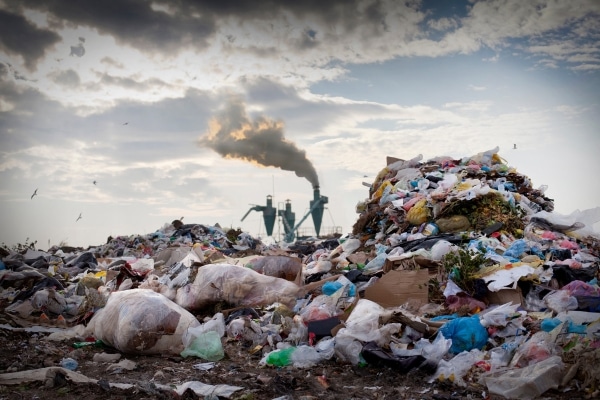
Many people are exposed to cancer-causing toxins daily without even realizing it. Substances like asbestos, radon, benzene, and formaldehyde are found in homes, workplaces, and even in the air. Long-term exposure to these chemicals can damage cells and lead to different forms of cancer, including leukemia, mesothelioma, and lung cancer. While some exposures are occupational, many come from everyday items like cleaning products or building materials.
Polluted water, pesticide residues on produce, and certain plastics also carry hidden risks. These toxins can disrupt hormones, cause inflammation, and weaken the body’s ability to detox harmful substances. Over time, this creates an environment where abnormal cell growth becomes more likely. Switching to natural cleaners, filtering tap water, and choosing organic produce can help reduce exposure to these harmful pollutants.
Excessive Sun Exposure and Tanning Beds
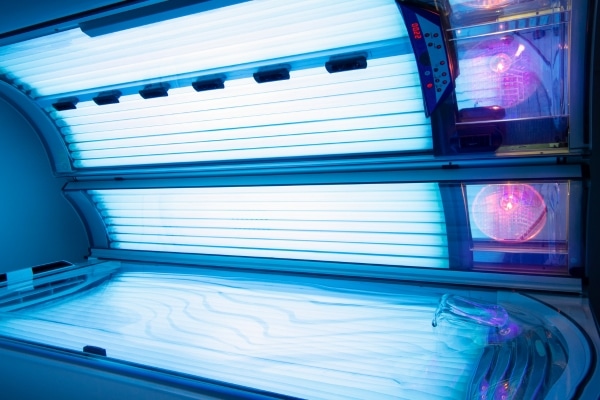
Ultraviolet (UV) radiation from the sun and tanning beds is a well-known cause of skin cancer. While sunlight is necessary for vitamin D, too much can damage skin cells and trigger mutations that lead to cancer. Melanoma, the most dangerous form of skin cancer, often starts with unprotected or prolonged sun exposure. Even one severe sunburn during childhood can significantly increase risk later in life.
Tanning beds are just as harmful, if not more so, due to the concentrated UV rays they emit. Despite popular beliefs, a “base tan” does not protect the skin and instead adds to cumulative damage. Consistent use of sunscreen, wearing protective clothing, and avoiding peak sun hours are key strategies for reducing risk. Regular skin checks can also help catch potential issues before they turn serious.
Chronic Stress and Lack of Sleep

While stress and sleep loss may not directly cause cancer, they weaken the body in ways that make it harder to fight off disease. Chronic stress triggers the release of cortisol, a hormone that disrupts immune function and encourages inflammation. This creates a biological environment where cancer cells can grow more freely. Over time, the body’s ability to repair damage becomes compromised.
Lack of sleep adds to the problem by interfering with melatonin production, a hormone that helps regulate the body’s internal clock and may play a role in preventing cancer. Poor sleep habits can also lead to unhealthy choices like overeating or skipping exercise. Together, these effects lower the body’s natural defenses. Focusing on quality sleep and managing stress through healthy coping methods can indirectly support cancer prevention.
Take Back Control of Your Health
Cancer isn’t always caused by things out of your control—many of the most common risks are tied to everyday habits. From the food you eat to the products you use, small changes can make a big difference over time. Taking a closer look at your lifestyle choices can empower you to lower your risk and support your long-term health. Awareness is the first step, and even one healthier decision today can lead to a stronger, safer tomorrow.