Weight loss is a journey fraught with challenges and misconceptions. One of the key aspects of successful weight loss is understanding what not to do. This blog post delves into common errors that can derail progress. From dietary choices to exercise habits, it’s crucial to recognize these pitfalls. Awareness and correct knowledge can significantly influence the journey toward a healthier, fitter self, making weight loss not just a goal but a sustainable lifestyle change.
Contents
Not Consuming Enough Protein

Protein plays a pivotal role in weight loss. It boosts metabolism, builds muscle, and induces satiety, reducing overall calorie intake. However, many diets fall short in this essential nutrient. Without adequate protein, the body struggles to repair and build muscle, especially after exercise. This can lead to muscle loss, slowing down metabolism. For effective weight loss, it’s essential to include a variety of protein sources in every meal, such as lean meats, dairy, legumes, and nuts.
The consequences of protein deficiency extend beyond physical health. Low protein intake can lead to increased hunger and cravings, often resulting in overeating. It’s a common misconception that reducing food intake is the key to weight loss, but without sufficient protein, this strategy can backfire. Balanced meals with ample protein can help manage appetite and prevent the cycle of hunger and overeating. This approach not only aids in weight loss but also supports overall well-being.
Neglecting Strength Training

Many associate weight loss solely with cardio exercises, overlooking the importance of strength training. Strength training, however, is crucial for a well-rounded weight loss strategy. It builds muscle mass, which burns more calories at rest compared to fat. By increasing lean muscle mass, the body becomes more efficient at burning calories, even when not actively exercising. Additionally, strength training enhances body composition, leading to a toned and defined physique, which is often a desired outcome of weight loss.
There’s a common misconception that strength training is only for those who want to “bulk up.” This couldn’t be further from the truth. Incorporating even light to moderate strength training into a fitness routine can significantly boost weight loss efforts. For beginners, starting with bodyweight exercises or light weights is a great way to ease into strength training. The key is consistency and gradually increasing the challenge to continuously stimulate muscle growth and fat loss.
Eating Processed Foods

Processed foods are often the hidden culprits in weight loss struggles. These foods, high in calories, unhealthy fats, and sugars, can sabotage weight loss efforts. They lack essential nutrients, leading to a cycle of hunger and overeating. Processed foods are designed to be hyper-palatable, making it easy to consume them in large quantities without feeling satiated. Replacing these with whole, nutrient-dense foods can significantly impact weight loss progress.
The danger of processed foods extends beyond their poor nutritional value. These foods often contain high levels of sodium and preservatives, contributing to water retention and bloating. This can be misleading on the scale and demotivating for those on a weight loss journey. Adopting a diet rich in fruits, vegetables, lean proteins, and whole grains can help avoid these pitfalls. This shift not only aids in weight loss but also improves overall health and well-being.
Lack Of Sleep

Sleep is a critical but often overlooked component of weight loss. Adequate sleep regulates hormones that control appetite, like ghrelin and leptin. When sleep-deprived, the body produces more ghrelin, the hormone that signals hunger, and less leptin, the hormone that signals fullness. This imbalance can lead to increased hunger and cravings, particularly for high-calorie, unhealthy foods. Prioritizing sleep is essential for anyone looking to lose weight effectively.
Poor sleep doesn’t just affect appetite; it impacts decision-making and willpower. Tired individuals are more likely to skip workouts and opt for convenient, unhealthy food choices. Establishing a regular sleep schedule, creating a relaxing bedtime routine, and ensuring a comfortable sleep environment can significantly improve sleep quality. This, in turn, can support weight loss efforts and contribute to a healthier lifestyle.
Excessive Calorie Counting
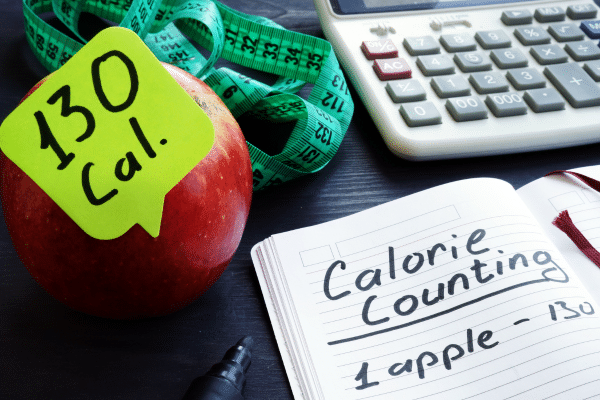
While monitoring calorie intake is important for weight loss, an excessive focus on calories can be counterproductive. This approach often leads to neglecting the nutritional quality of foods. Eating low-calorie but nutrient-poor foods can result in nutritional deficiencies and a lack of energy, making it harder to stick to a weight loss plan. Balancing calorie awareness with a focus on nutritious foods is key to successful weight loss.
Obsessing over every calorie can also lead to an unhealthy relationship with food. It can cause stress and anxiety, which may trigger overeating or the development of eating disorders. A more sustainable approach is to be mindful of portion sizes and the quality of food choices. This method not only aids in weight loss but also promotes a healthier, more enjoyable relationship with food.
Ignoring Cardio

Cardiovascular exercise is another essential component of a successful weight loss plan. It burns calories, improves heart health, and increases overall fitness levels. However, many neglect cardio, focusing solely on diet or strength training. A balanced approach that includes regular cardio can enhance weight loss and contribute to long-term health.
The benefits of cardio extend beyond the immediate burning of calories. Regular cardiovascular exercise improves the efficiency of the respiratory and circulatory systems. This improved efficiency supports the body’s metabolic processes, enhancing the ability to lose weight and maintain it. Cardio doesn’t have to be monotonous or strenuous; activities like brisk walking, cycling, or swimming can be enjoyable and effective.
Not Staying Hydrated

Hydration is another crucial aspect often overlooked in weight loss plans. Water plays a key role in metabolism and helps in the process of lipolysis, the breakdown of fats. Moreover, thirst is often mistaken for hunger, leading to unnecessary snacking and overeating. Drinking sufficient water throughout the day can help control appetite and support weight loss efforts.
Staying hydrated also assists in the body’s natural detoxification processes. It aids in flushing out waste products, which is particularly important when increasing physical activity or changing dietary habits. In addition, proper hydration can improve physical performance during workouts. Drinking water before, during, and after exercise ensures optimal muscle function and recovery, facilitating a more effective workout.
The Bottom Line
In conclusion, successful weight loss is a multifaceted journey. It’s not just about what is eaten, but also about incorporating a balanced mix of physical activity, proper nutrition, adequate sleep, and hydration. Recognizing and avoiding common mistakes like neglecting protein intake, ignoring strength training and cardio, over-consuming processed foods, underestimating the importance of sleep, obsessing over calories, and not staying hydrated can make a significant difference. By addressing these aspects, weight loss becomes not only achievable but also a sustainable part of a healthier lifestyle.