
Body Mass Index (BMI) has long been a staple in health assessments worldwide, serving as a quick reference for categorizing individuals into various weight categories. Initially developed in the early 19th century, BMI is widely used by medical professionals and health organizations to gauge health risks associated with weight. Despite its widespread use, the reliability and effectiveness of BMI as a health indicator are subjects of ongoing debate. This post delves into the history, application, and criticisms of BMI, exploring its role in individual and public health and questioning its status as a reliable health indicator.
History and Development of BMI

BMI, or Body Mass Index, was conceived by Adolphe Quetelet during the 19th century. It was originally termed the Quetelet Index, designed to provide a simple means to classify sedentary individuals’ body weight relative to their height. Throughout the years, BMI gained prominence as a straightforward tool for epidemiologists to understand and manage population health, particularly in identifying trends in obesity. It became a crucial tool in the burgeoning field of public health, guiding policies and interventions.
As BMI embedded itself into clinical practice and public health policy, its use expanded from a general population assessment tool to an individual health indicator. Despite its initial non-clinical beginnings, BMI’s ease of calculation and universal applicability made it a standard fixture in health assessments, leading to its current role in medical screenings, insurance evaluations, and health education. Its enduring legacy and widespread acceptance have made it synonymous with health measurement despite emerging criticisms and challenges to its validity.
Understanding BMI Calculations
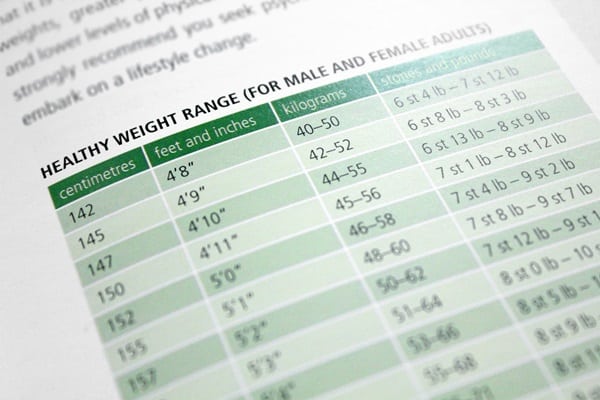
BMI is calculated by dividing an individual’s weight in kilograms by the square of their height in meters. This simple formula categorizes individuals into various groups, such as underweight, normal weight, overweight, and obese. These categories are based on established ranges, aiming to provide a quick assessment of potential health risks related to body size. The simplicity of this calculation has made BMI a universally recognized and easily applicable health metric.
However, while BMI provides a quick metric, its simplicity overlooks factors like muscle mass, bone density, overall body composition, and racial and sex differences. These limitations can lead to misleading categorizations, particularly for athletes with high muscle mass or individuals with denser bone structures. Consequently, the BMI can sometimes inaccurately reflect an individual’s health status or risk factors. Critics argue for the adoption of more comprehensive measures that account for a wider array of body types and health markers.
BMI as a Health Predictor

BMI is commonly used as a predictor for a range of health conditions, including heart disease, diabetes, and various forms of cancer. Its widespread application in clinical settings is largely due to its correlation with these adverse health outcomes. Higher BMI levels are typically associated with an increased risk of chronic diseases and health issues related to overweight and obesity. It serves as a starting point for many health discussions and interventions.
However, while a high BMI can indicate risk for various health conditions, it doesn’t directly measure health or fat distribution. This means that two individuals with the same BMI might have vastly different health profiles and risks. As such, reliance solely on BMI overlooks the complex interplay of genetic, lifestyle, and environmental factors contributing to an individual’s health. This has led to calls for more personalized health assessments, integrating BMI with other health indicators for a fuller picture.