Coffee, a beloved beverage enjoyed by millions daily, is more than just a morning ritual or an afternoon pick-me-up. This aromatic drink, deeply ingrained in cultures worldwide, has a rich history and a plethora of intriguing facts that many enthusiasts might not be aware of. From its humble beginnings to becoming a global phenomenon, the journey of coffee is as fascinating as its flavor profiles. This blog post sheds light on some of the most interesting facts about coffee, offering a deeper appreciation of this ubiquitous beverage.
Brazil Is The World’s Largest Coffee Producer
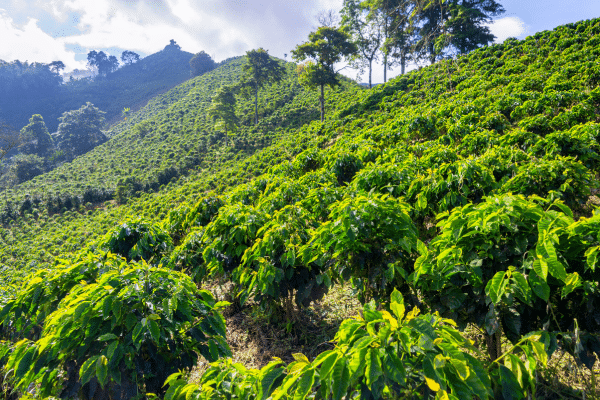
Brazil holds the title as the world’s largest producer of coffee, a position it has proudly maintained for over 150 years. The country’s vast landscapes offer ideal climatic conditions for coffee cultivation, contributing to its dominant status in the global coffee market. With an array of varieties, including Arabica and Robusta, Brazil’s coffee production not only supports the country’s economy but also sets international benchmarks for quality and flavor. The dedication to excellence in cultivation and processing is evident in every cup that originates from this coffee powerhouse.
The impact of Brazilian coffee extends far beyond its borders, influencing global prices, trends, and preferences. The rich soils of regions like Minas Gerais and São Paulo yield beans that are sought after for their balanced and nuanced flavors. Efforts in sustainable farming and ethical sourcing further solidify Brazil’s position as a leader in the coffee industry, ensuring that each bean tells a story of tradition, hard work, and passion for excellence.
Coffee Is Actually A Fruit

The journey of coffee begins not with a bean, but with a fruit. The coffee plant produces cherries that house the precious seeds you know as coffee beans. This revelation often surprises those who primarily associate coffee with its final, roasted form. The process from cherry to bean is meticulous, involving harvesting, drying, and fermenting, each step crucial in developing the bean’s flavor profile. The realization that coffee comes from fruit adds an extra layer of appreciation for the complexity and natural origin of this beloved beverage.
Understanding coffee as a fruit opens up a world of sensory experiences and explains the diversity in taste among different varieties. Factors such as soil, altitude, and climate influence the characteristics of the coffee cherry, and subsequently, the flavor of the coffee itself. This botanical perspective invites coffee lovers to explore their favorite beverage with a newfound curiosity, delving into the nuances that make each cup unique and treasured.
Coffee Can Detoxify Your Liver

Recent studies have highlighted the potential of coffee to support liver health and function. The beverage is rich in antioxidants and anti-inflammatory compounds, which can help in the detoxification process, reducing the risk of liver diseases such as cirrhosis and liver cancer. Regular, moderate consumption of coffee has been linked with lower levels of liver enzyme markers, indicating a protective effect against liver damage.
While coffee’s benefits for liver health are promising, it’s essential to approach these findings with a balanced perspective. Overconsumption can lead to other health issues, and it’s crucial to consider individual health conditions and consult with healthcare professionals. Nonetheless, the role of coffee in promoting liver health adds another layer to the multifaceted benefits of this complex beverage.